
Wuthering Heights Study Guide
A-level set textAQA A-level (Lit A)Edexcel A-level
Notes cover the whole book.
Characters
- Mr LockwoodAfter hearing Mrs Dean's account of Heathcliff's death, he avoids meeting Cathy and Hareton and visits the three graves, whose quiet setting makes him question stories of restless dead.First appears: Chapter 1
- Mr HeathcliffIn Mrs Dean's account of his final days, he refuses repentance, speaks of approaching his own heaven and dies after days without food, with the cause of death uncertain.First appears: Chapter 1
- JosephHe gives thanks for the old family's restoration after Heathcliff's death, claims to see two figures at the bedroom window and is to care for the Heights when the others move away.First appears: Chapter 1
- ZillahShe admits refusing to help Cathy nurse Linton for fear of losing her post, yet blames Cathy's pride for the hostility around her.First appears: Chapter 1
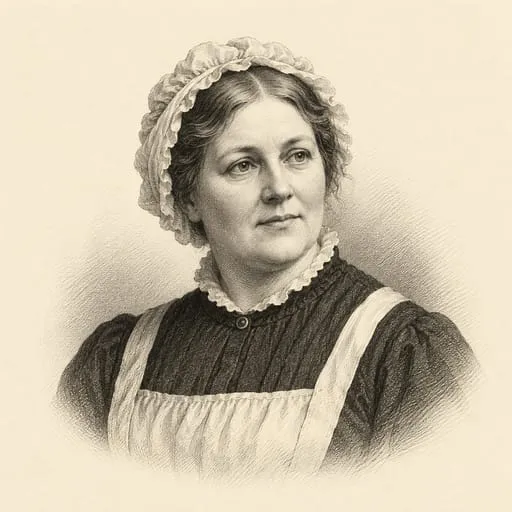
- Mrs DeanShe finds Heathcliff dead and conceals his four days without food from Kenneth, later admitting that reported hauntings frighten her despite her belief that the dead are at peace.First appears: Chapter 2
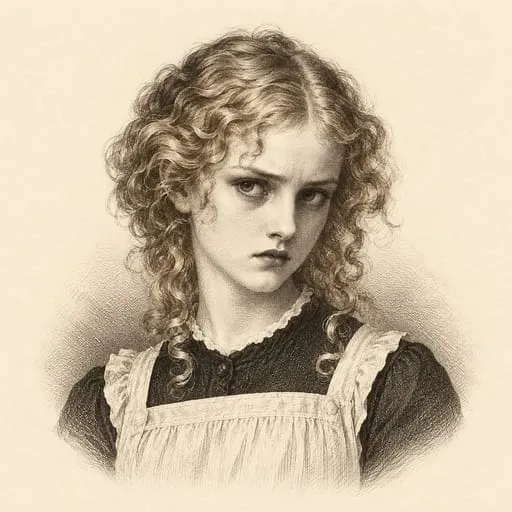
- Catherine HeathcliffShe and Hareton plan to marry on New Year's Day and move to the Grange, and Lockwood sees them returning affectionately together in the moonlight.First appears: Chapter 2
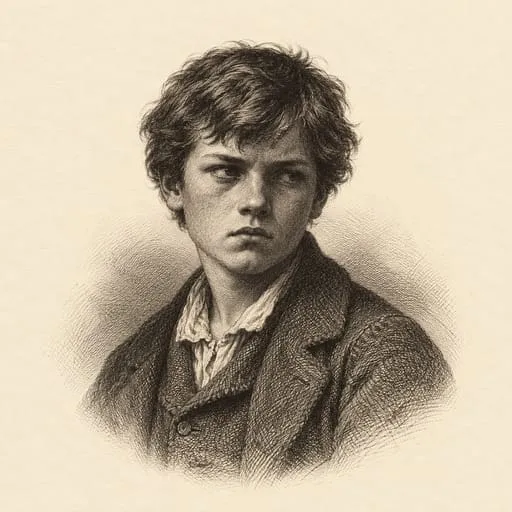
- Hareton EarnshawHe mourns Heathcliff with deep affection and lays turf over his grave at the burial, while Mrs Dean confirms that he and Cathy are to marry and move to the Grange.First appears: Chapter 2
- LintonHe dies with Cathy nursing him after making a will leaving his moveable property, including what had been hers, to his father.First appears: Chapter 2
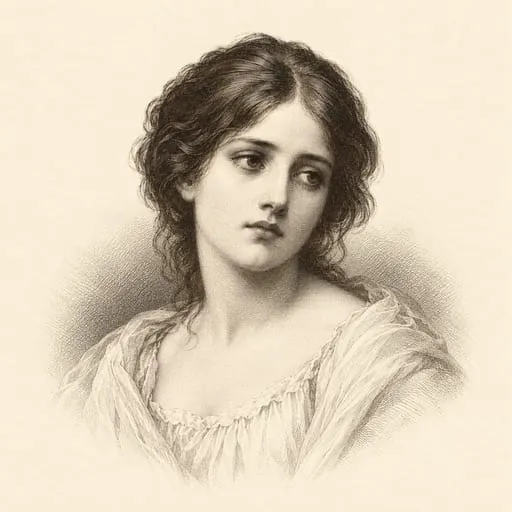
- Catherine LintonShe dies two hours after giving birth to a daughter named Catherine and is buried near the moor rather than in either family's burial place.First appears: Chapter 2
- Hindley EarnshawHe dies less than six months after Catherine, having mortgaged all his land to Heathcliff to fund his gambling.First appears: Chapter 3
- FrancesShe gives birth to Hareton and dies of the illness Kenneth calls consumption, despite Hindley's insistence that she is recovering.First appears: Chapter 3
- Mr EarnshawIncreasingly weak and irritable, he sends Hindley to college and dies quietly beside Catherine and Heathcliff at the fireside.First appears: Chapter 3
- Mrs EarnshawHindley and Catherine's mother, who objects to taking Heathcliff into the household and does not defend him against ill-treatment before her death.First appears: Chapter 4
- Edgar LintonHe seeks to protect Cathy's fortune by changing his will but dies before the lawyer arrives, comforted by her return to his bedside.First appears: Chapter 4
- Isabella HeathcliffBefore her death, she asks Edgar to come to her and take charge of Linton, hoping that Heathcliff will leave the boy in his uncle's care.First appears: Chapter 2
- Mr LintonHe and his wife catch Catherine's fever and die within a few days of each other after she is brought to recover at the Grange.First appears: Chapter 6
- Mrs LintonAfter helping during Catherine's illness and taking her to recover at the Grange, she and her husband catch the fever and die within a few days of each other.First appears: Chapter 6
- Mr KennethRefused admission by Heathcliff during his final illness, he later cannot determine the disorder that killed him and is not told about his lack of food.First appears: Chapter 8
- The Heights housekeeperA servant employed at the Heights since Hindley's death, who tells Cathy that Hareton is her cousin and refuses to be ordered about by her.First appears: Chapter 18
- MichaelA groom at the Grange who accepts Cathy's books and pictures in exchange for preparing her pony for secret evening visits to the Heights.First appears: Chapter 24
- Mr GreenThe lawyer summoned to change Edgar's will, who delays until after his death, follows Heathcliff's instructions and gives all the Grange servants except Mrs Dean notice to leave.First appears: Chapter 28
- The new Grange housekeeperMrs Dean's replacement at the Grange is startled by Lockwood's unexpected arrival and sets about preparing rooms for him.First appears: Chapter 32
- The boy with the sheepA crying boy with a sheep and two lambs tells Mrs Dean that Heathcliff and a woman are ahead of him on the moor, though she sees nothing herself.First appears: Chapter 34
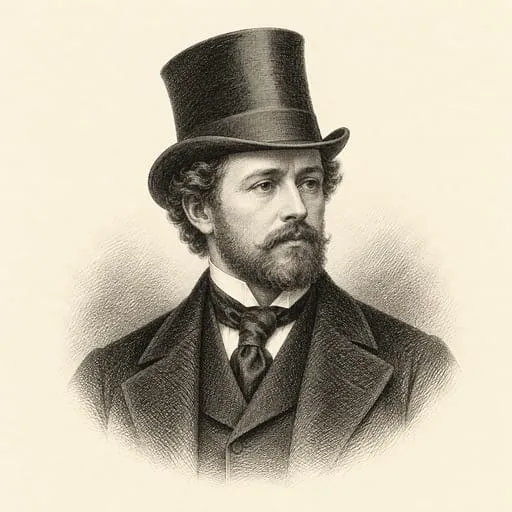
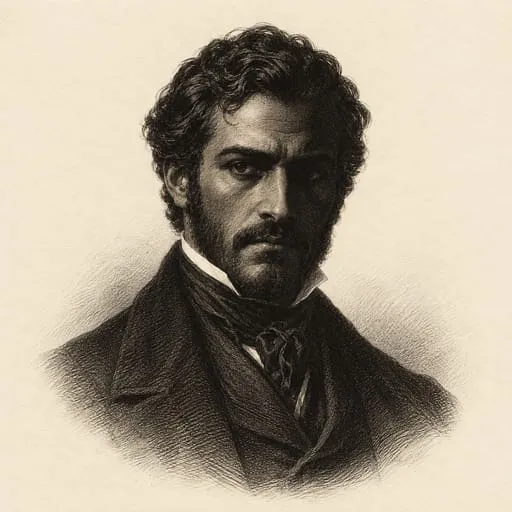
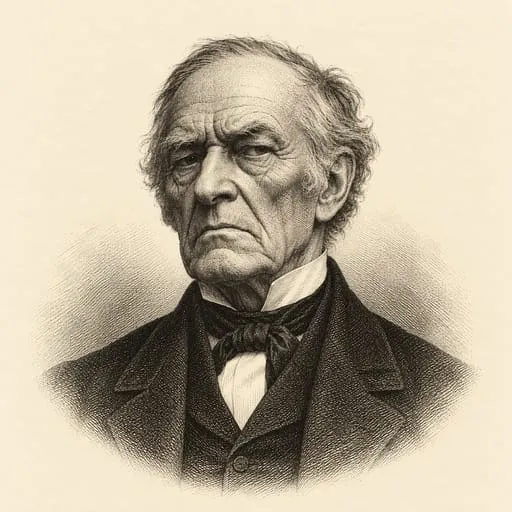
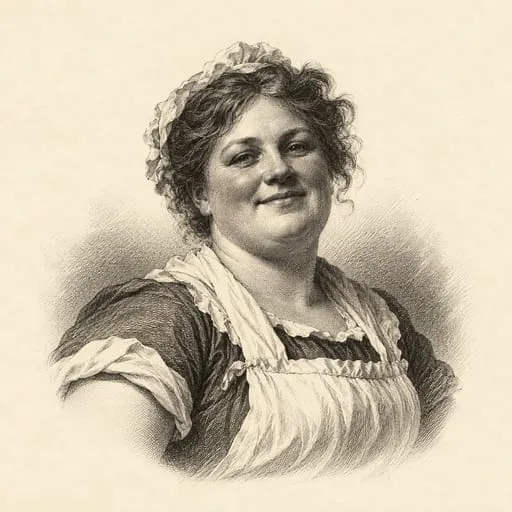



Themes
- Narration and uncertain judgement
- Isolation and belonging
- Nature and the moors
- Power, cruelty and resistance
- Family, class and inheritance
- Love and attachment
- Religion and the supernatural
Context
- Country squire
- A country squire is a local gentleman and landowner; Lockwood uses this social rank as a measure when judging Heathcliff. Chapter 1
- The Black Art
- An old term for supposed magical practices, especially witchcraft; Mrs Heathcliff uses the idea to frighten Joseph. Chapter 2
- Seventy Times Seven
- The phrase recalls Jesus's teaching about repeated forgiveness; the violence in Lockwood's dream turns that teaching upside down. Chapter 3
- A cuckoo's
- A cuckoo lays its eggs in other birds' nests, where its chick can displace their young; Mrs Dean uses this comparison to present Heathcliff as an intruder in the Earnshaw family. Chapter 4
- Christian and surname
- Christian name means given name, while surname means family name; Heathcliff has only the single name for both. Chapter 4
- A magistrate
- A magistrate has authority to deal with minor legal cases; Mr Linton invokes his public position when he treats the children outside his window as criminals. Chapter 6
- He bled her
- Bloodletting meant deliberately drawing blood from a patient, a treatment once believed to help illnesses such as fever. Chapter 9
- In default of heirs male
- This means if there are no male heirs; Edgar's concern about Isabella's possible marriage links family inheritance with the question of who would control the property. Chapter 10
- A lock of hair
- Hair could be kept in a locket as a personal keepsake; replacing and combining the locks here gives a small object a place in the struggle over Catherine's attachments. Chapter 16
- Mortgagee
- A mortgage is a loan secured against property; the mortgagee is the lender, here Heathcliff, rather than the person borrowing. Chapter 17
- Black-edged letter
- A black border on writing paper signalled mourning; Edgar also asks for mourning clothes for Cathy after Isabella's death. Chapter 19
- Easter Monday
- The Monday after Easter Sunday; Mrs Dean uses the day to date the cousins' reconciliation. Chapter 32
- Hercules
- A hero of classical myth known for his great strength; Heathcliff uses him to describe the effort he has put into his revenge. Chapter 33
Chapter summaries
Chapter 1
Writing in 1801, Lockwood describes his first visit to Heathcliff, from whom he rents Thrushcross Grange. He welcomes the area's isolation and takes his landlord's suspicious reserve as evidence that they have similar temperaments. The exposed house, wind-bent trees and defensive stonework make the setting feel harsh despite his enthusiasm. Heathcliff's gentlemanly dress and manners seem at odds with the farmhouse interior, unsettling Lockwood's expectations about social position. Lockwood admits that he may be projecting his own feelings onto Heathcliff, then recalls retreating from a woman as soon as she returned his affection. After he provokes the dogs, a kitchen woman rescues him while Heathcliff and Joseph are slow to help. His determination to return sits awkwardly with his claim to prefer solitude.
Chapter 2
Driven out of his study by a servant cleaning the fire, Lockwood returns to Wuthering Heights as snow begins to fall. A young woman and a roughly dressed young man receive him coldly, and Heathcliff refuses his request for a guide home. Lockwood first assumes the woman is Heathcliff's wife and then the young man's wife, until Heathcliff explains that she is his son's widow and Hareton gives his own name. The abundant meal and warm room offer physical comfort without affection or ease. Mrs Heathcliff mocks Joseph's religious fears by pretending to practise witchcraft, yet says she is not allowed even to reach the end of the garden wall. Hareton offers to guide Lockwood, but Heathcliff stops him, and Lockwood takes Joseph's lantern in an angry attempt to escape. Joseph calls the dogs, Heathcliff and Hareton laugh at Lockwood's fall, and Zillah finally helps the distressed visitor and lodges him for the night.
Chapter 3
Zillah puts Lockwood in a room Heathcliff usually keeps from guests, where he finds three versions of Catherine's name scratched on the window-ledge and diary entries written in old books. Catherine's account describes Hindley's harsh control after their father's death, Joseph's punishing religious exercises and her bond with Heathcliff. The children's plan to escape onto the wet moors makes the outdoors seem preferable to their treatment inside. Lockwood first dreams of a sermon that ends in communal violence, then of a child calling herself Catherine Linton who begs to enter through the window. In his terror he wounds the child's wrist against the broken glass, so violence is part of his own response as well as the household's behaviour. Woken by his scream, Heathcliff is deeply disturbed by the account and later opens the window, weeping and begging Catherine to come back. The morning brings another threat towards the young Mrs Heathcliff, followed by Heathcliff's offer to guide Lockwood across the dangerous, snow-covered moor.
Chapter 4
Lockwood abandons his resolve to avoid company and asks his housekeeper, Mrs Dean, to talk about the household at Wuthering Heights. She gives Catherine Linton as the maiden name of the young widow, her former charge, explains her kinship with Hareton and her dead husband, and says that Hareton has been cheated without explaining how. Her childhood account begins with Mr Earnshaw returning from Liverpool carrying a starving, homeless boy whose parentage remains unknown. The family names him Heathcliff, and Mrs Dean admits that she and Hindley mistreated him, while Catherine soon became his companion. Mr Earnshaw's strong preference for Heathcliff makes Hindley feel displaced in his own family. Heathcliff's quietness during measles and the doctor's praise for her nursing soften Mrs Dean's hostility, though she still interprets his endurance as hardness rather than gentleness. In the quarrel over the colts, Hindley's blows and threats show his cruelty, while Heathcliff uses his protector's authority to secure the better horse and accepts a false explanation for his bruises once he has it.
Chapter 5
Mr Earnshaw's failing health makes him fiercely protective of Heathcliff and increasingly angry with Hindley, who is sent to college on the curate's advice. Joseph gains influence by pressing religious duties on the old man and reporting the children's misconduct, placing most blame on Catherine. Mrs Dean describes Catherine as wilful and commanding, but also affectionate and capable of sharing the distress she causes. Her father's repeated rejection hardens her, while her influence over Heathcliff exposes the limits of his authority. On a windy October evening Mr Earnshaw dies peacefully as Catherine sings beside his chair. Joseph rebukes the household's grief, but Catherine and Heathcliff find comfort in a shared vision of heaven that moves Mrs Dean more than any parson could.
Chapter 6
Hindley returns for his father's funeral with a wife whose background Mrs Dean does not know, and whose cough and fear of death she notices without understanding. Taking charge of the house, he moves the servants into the back-kitchen and deprives Heathcliff of both family company and the curate's teaching. Catherine shares her lessons with Heathcliff, and their escapes onto the moors give them companionship that makes punishment seem bearable. Heathcliff tells Mrs Dean how they look through the Grange window and mock Edgar and Isabella for quarrelling over a dog despite their comfortable surroundings. When the Lintons' bulldog bites Catherine, Heathcliff tries to free her, but the family treats him as a criminal and an outsider while welcoming her as Miss Earnshaw. Their welcome depends on recognising Catherine's family, while their insults about Heathcliff's appearance and possible origins expose their prejudice. Mr Linton's complaint leads Hindley to threaten Heathcliff with dismissal for speaking to Catherine, while Frances undertakes to control her sister-in-law by persuasion.
Chapter 7
Catherine comes home at Christmas visibly changed by her stay at the Grange, and Hindley and Frances hope to separate her from Heathcliff. She embraces him but laughs at his neglected appearance, and he responds with wounded pride. He asks Mrs Dean to make him presentable, yet his wish for Edgar's fair looks and future wealth shows that his shame reaches beyond dirt and clothing. Hindley bars him from the Christmas gathering, and Edgar's remark about his hair provokes him to throw hot apple sauce at the boy. Mrs Dean initially thinks Catherine indifferent to Heathcliff's punishment, then recognises her distress as she cries at dinner and later crosses the roof to visit him in the locked garret. Once brought down to the kitchen, Heathcliff rejects Mrs Dean's appeal to forgiveness and says that planning revenge relieves his pain. The narration returns to Lockwood, whose assumptions about rural life and servants meet Mrs Dean's insistence on her own experience and reading.
Chapter 8
After Hareton's birth, Kenneth warns that Frances is dying, but Hindley insists she is recovering until she dies in his arms. His grief turns into reckless drinking and tyranny, driving away all the servants except Joseph and Mrs Dean, who takes responsibility for Hareton. Hard work and exclusion from education have worn down Heathcliff, while Catherine behaves politely with the Lintons and freely indulges her temper at home. Heathcliff marks her evenings with the Lintons on an almanac, but she dismisses his grievance and complains that he no longer amuses her. Ordered by Hindley to stay during Edgar's private visits, Mrs Dean refuses Catherine's demand to leave; Catherine pinches her and denies it, then slaps her, shakes Hareton and strikes Edgar when he tries to protect the child. Edgar tries to leave but returns to her tears, and Mrs Dean reports that the quarrel ends with their acknowledgement that they are lovers. Hindley's drunken arrival sends Edgar away and prompts Mrs Dean to hide Hareton and remove the shot from his gun, showing how care is organised around the danger he poses.
Chapter 9
Hindley threatens Mrs Dean with a knife and holds Hareton over the banister, but Heathcliff catches the child when he falls. Catherine tells Mrs Dean that she has accepted Edgar, valuing his looks, love and wealth while hoping his money can free Heathcliff from Hindley's power. Heathcliff secretly hears her say that marrying him would degrade her, then leaves before hearing her fuller explanation of their bond. Her dream of returning joyfully from heaven to the heath expresses her earthly sense of belonging, while her images of changing foliage and lasting rock distinguish her two loves. Unable to find Heathcliff, she waits outside in a storm and develops a dangerous fever, which later kills both elder Lintons after Mrs Linton takes her to recover at the Grange. Three years after Mr Linton's death, Catherine marries Edgar, an alliance Hindley welcomes for the honour it brings the family. Mrs Dean is ordered to accompany her despite her devotion to Hareton, showing how the marriage also separates a child from his nurse.
Chapter 10
Catherine and Edgar enjoy a period of married happiness, though Mrs Dean says its peace depends on the Lintons yielding to Catherine. Heathcliff returns after three years, physically changed and more polished, but Mrs Dean cannot explain how he acquired his wealth or improved his mind. Catherine's intense delight unsettles Edgar, whose suggestion that Heathcliff belongs in the kitchen exposes a continuing dispute over his social standing. Heathcliff lodges at the Heights after winning money from Hindley, and Mrs Dean reports that Hindley is borrowing on his land while Joseph describes their nights of gambling. Isabella becomes attached to Heathcliff and rejects Catherine's warning that his harshness conceals no gentle nature. Catherine then reveals Isabella's feelings to him and physically prevents her from leaving until she scratches her way free. Heathcliff speaks of violence towards Isabella and asks about her inheritance, bringing cruelty and property into the conversation about love.
Chapter 11
A childhood memory of Hindley draws Mrs Dean towards the Heights, where Hareton throws a stone at her and describes Heathcliff's encouragement to curse his father. Hareton also reports Heathcliff's threat against the curate, showing how Heathcliff's apparent support for him goes with keeping him from learning to read and write. At the Grange, Mrs Dean sees Heathcliff embrace Isabella and hears him tell Catherine that people who are oppressed crush those beneath them. She reports the encounter to Edgar, who orders Heathcliff out; Catherine locks the kitchen door to keep the servants out and throws the key into the fire when Edgar tries to take it. After Edgar strikes Heathcliff and fetches help, Heathcliff escapes by breaking the lock, and Edgar later insists that Catherine choose between them. Catherine speaks of hurting herself to hurt the two men, but Mrs Dean treats her distress as something she can control even while admitting her own fear. Catherine locks herself away and refuses meals, while Edgar warns Isabella that encouraging Heathcliff would end their family bond.
Chapter 12
Mrs Dean initially treats Catherine's fasting as an attempt to force Edgar to give way and fails to tell him how ill she has become. Catherine's delirium draws her back to childhood memories, and she mistakes her own reflection for a threatening presence before recognising where she is. Imagining herself abruptly changed from a child at the Heights into Mrs Linton, she describes marriage as exile and longs for the moors to restore her sense of herself. Edgar finally enters, is horrified by her condition and blames Mrs Dean for keeping him ignorant. On her way to fetch Kenneth, Mrs Dean rescues Isabella's dog from hanging, without discovering who is responsible. Kenneth's report of Heathcliff urging Isabella to leave prompts Mrs Dean to check her empty room, and after examining Catherine he privately warns Mrs Dean of lasting damage to her mind. Mrs Dean keeps Isabella's departure from Edgar until a maid reveals it, and he refuses to have his sister brought back.
Chapter 13
During two months of Catherine's illness, Edgar nurses her devotedly and rejoices when her life is declared out of danger, though her mental recovery remains uncertain. Crocuses remind her of the Heights, and moving her out of the sickroom helps her, while the household hopes that the child she is carrying will secure Edgar's lands. Isabella announces her marriage and asks Edgar for reconciliation, then sends Mrs Dean a longer letter after arriving at the Heights. Her account of Hareton's threats and Joseph's contempt makes her new home a place where she can find no ally against Heathcliff. Hindley shows her his weapon and describes trying Heathcliff's door every night, although he also insists that Heathcliff must stay until he can recover his losses. Isabella's desire to possess the weapon shows how fear and misery draw her towards the household's violence. Heathcliff rejects her claim to share his room and threatens to make her suffer for Edgar, and she ends by begging Mrs Dean to visit while keeping her distress secret from the Grange.
Chapter 14
Edgar says he has nothing to forgive Isabella, yet refuses to write or visit and demands an end to communication between the households. Mrs Dean softens his message when she delivers it, showing that she shapes the information passing between them. Heathcliff insists that his love for Catherine exceeds Edgar's and rejects Mrs Dean's claim that Catherine has nearly forgotten him. He mocks Isabella for imagining him a romantic hero, admits hanging her dog and describes deliberately testing how much suffering she can bear. His claim that she may leave is contradicted by Isabella's account of an earlier attempt, and he then invokes his position as her legal protector to justify retaining her. Threatening to force his way into the Grange with pistols, he makes Mrs Dean agree to carry a letter and arrange access during Edgar's absence if Catherine wishes to see him. Mrs Dean presents her compliance as a way to prevent worse violence, but admits its possible wrongness, before Lockwood turns the story into a warning about his own attraction to the younger Catherine.
Chapter 15
Lockwood says that he is condensing Mrs Dean's account, reminding the reader that her spoken story reaches us through his editing. After delaying three days, Mrs Dean delivers Heathcliff's letter while Edgar is at church, leaves the doors open and sends the remaining servant away. Heathcliff enters Catherine's room, and their passionate reunion includes physical violence as she pulls his hair and his grip bruises her arm. Catherine blames both men for her broken heart and fears being forgotten, while Heathcliff accuses her of betraying their attachment by choosing Edgar. Her description of a shattered prison presents her body as confinement and death as escape, while his image of his soul in the grave makes her loss seem the destruction of his own being. Catherine asks for forgiveness and Heathcliff says he forgives what she has done to him, yet their exchange remains full of accusation, and she refuses to release him even as Edgar approaches. When she collapses, Heathcliff places her in Edgar's arms, and Edgar's concern for her takes precedence over confronting him; she revives in confusion, and Heathcliff leaves the house but insists on remaining in the garden.
Chapter 16
Catherine dies two hours after the premature birth of her daughter, whom the grieving household initially neglects. Mrs Dean's distress that Edgar lacks an heir connects the baby's unwelcome reception with concern about the family estate. The mother's peaceful appearance leads Mrs Dean to imagine heavenly rest, but her later doubts about Catherine's happiness after death unsettle that assurance. Heathcliff responds to the news by begging Catherine to haunt him rather than leave him alone, then strikes his head against a tree, with blood on his forehead, hand and the bark. Edgar keeps watch beside the body while Heathcliff waits outside, giving their grief a shared sleeplessness despite their separation. Mrs Dean opens a window to let Heathcliff enter secretly, discovers that he has replaced the light hair in Catherine's locket with his own and twists the two locks together. With Hindley absent and Isabella uninvited, Catherine is buried away from both families' usual burial places, beside a low wall crossed by plants from the moor.
Chapter 17
Isabella arrives at the Grange wounded and describes how Hindley's attempt to attack Heathcliff ended in his own injury and a savage beating. Although she refuses to help murder Heathcliff, she delights in tormenting his grief, and he throws a knife at her before she escapes across the moor. Mrs Dean describes Isabella's renewed correspondence with Edgar, the birth of her son Linton and her death when he is about twelve. Edgar becomes a recluse but finds consolation in his daughter, while Mrs Dean contrasts his religious hope with Hindley's despair. Hindley dies less than six months after Catherine, and Mrs Dean questions whether he had fair treatment without establishing an answer. Heathcliff's account attributes the death to drinking, and his possession of mortgages on all Hindley's land leaves Hareton dependent on his father's enemy. Heathcliff compares rearing Hareton to twisting a tree with wind, and his threat to claim his own son if Edgar takes Hareton prevents further intervention.
Chapter 18
Mrs Dean describes twelve happy years raising Cathy, whose eager mind develops under Edgar's teaching while her movements remain closely restricted. The distant crags attract her because they are unfamiliar, and Edgar's reluctance to pass the Heights keeps him postponing a visit. When Isabella asks her brother to come before she dies and take charge of Linton, Edgar leaves Cathy under Mrs Dean's watch. Cathy rides beyond the park, and a fight between her dogs and Hareton's introduces them before she persuades him to accompany her exploring. Mrs Dean finds them at the Heights, where Cathy's assumption that Hareton is a servant offends him and the discovery of their kinship offends her own sense of rank. Mrs Dean compares Hareton's neglected good qualities to plants choked by weeds in rich soil, but admits that her wider knowledge of life at the Heights comes from hearsay. She gains Cathy's promise of silence chiefly by suggesting that Edgar might dismiss her for her negligence, using the child's affection to protect herself.
Chapter 19
Cathy eagerly awaits her father's return with Linton, imagining an ideal playmate and feeling no definite grief for the aunt she has lost. The boy arrives exhausted, pale and tearful, and Edgar asks Cathy to allow for his recent bereavement and poor health. Her affectionate treatment of him like a baby wins a smile, though it also shows her wish to make him fit her own idea of a companion. Edgar hopes that her company will strengthen Linton, but both he and Mrs Dean doubt whether they can keep him. Joseph arrives with Heathcliff's demand for his son and pushes past Mrs Dean to address Edgar directly. Remembering Isabella's wishes, Edgar grieves at giving the boy up but sees no way to prevent it, limiting his resistance to postponing the transfer until morning. Joseph leaves with the threat that Heathcliff will come himself, making the children's brief comfort dependent on an adult struggle over control.
Chapter 20
Edgar sends Linton to his father and orders Mrs Dean to keep Cathy ignorant of how near he will be. Linton knows nothing of Heathcliff and questions the expectation that he should love a parent he has never known. Mrs Dean invents reassuring explanations for his parents' separation and promises visits she knows are unlikely, making deception part of her brief guardianship. Heathcliff greets his son as property, ridicules his frailty and admits that he despises him. His declared reason for preserving Linton's health and status is the prospect of his descendant owning the Linton estates and employing the former owners' children. Mrs Dean hopes that this selfish interest will at least secure the boy's comfort, but his cries and the closed door expose the fear in which she leaves him.
Chapter 21
Reports from the Heights housekeeper describe Linton's continuing illness and isolation, while Mrs Dean's sympathy for him weakens. On Cathy's sixteenth birthday, an outing to look for birds' nests brings her into contact with Heathcliff, who invites her to see Linton despite Mrs Dean's resistance. Heathcliff privately declares his plan for their marriage and says that Linton's property would pass to him if his son died. He takes pride in deliberately degrading Hareton, whose embarrassment and inability to read then become entertainment for Cathy and Linton. Cathy initially sees Edgar's prohibition as an unfair extension of the adults' quarrel, until he tells her about Heathcliff's treatment of Isabella and acquisition of the Heights. Her concern for Linton nevertheless leads to secret correspondence, and Mrs Dean suspects that some of his increasingly elaborate letters draw on a more experienced source. Mrs Dean searches Cathy's locked drawer, intercepts a letter and uses the threat of disclosure to make her surrender the correspondence to the fire and end the exchange.
Chapter 22
After Edgar becomes ill and can no longer walk with her, Cathy fears the loss of the two people closest to her. Mrs Dean's attempt to distract her with a late flower instead reveals how Cathy reads sadness into the landscape. Cathy recalls Mrs Dean's earlier warning about being left alone, and Mrs Dean urges her to cheer Edgar and warns that renewed attachment to Linton could endanger his life. Cathy replies that she loves her father more than herself and would rather outlive him and suffer herself than leave him to grieve. When Cathy climbs outside the park for her fallen hat and cannot get back, Heathcliff uses the encounter to threaten disclosure of her letters and claim that only she can save Linton. He appeals to her compassion by asking her to imagine herself in Linton's place and admitting that his household treats the boy harshly. Mrs Dean denounces his claims but cannot relieve Cathy's distress, and agrees to a visit in the hope that Linton's reception will disprove his father's story.
Chapter 23
With Heathcliff absent, Cathy and Mrs Dean find Joseph ignoring Linton's calls for fuel and the boy feverish and coughing. Linton reports his father's pressure to win Cathy's affection, then repeats Heathcliff's claim that marriage would make her love him above everyone else. Their discussion of affection becomes a quarrel over their parents, and Cathy's violent push to his chair brings on a coughing fit that alarms both visitors. Mrs Dean interprets his subsequent behaviour as calculated to distress Cathy, while Cathy responds with guilt, cushions and recited ballads. Linton insists she must return because she has hurt him, and Cathy imagines she can improve his health and temper through affectionate care. She challenges Mrs Dean's attempts to restrict her movements, while Mrs Dean's claim that Linton's death would be little loss exposes the harshness of her judgement. Mrs Dean's ensuing illness removes her from her duties for three weeks, and her praise of Cathy's devoted nursing ends with an admission that she never considered how the girl spent her free evenings.
Chapter 24
Once Mrs Dean recovers, Cathy's impatience with her company leads to the discovery of her secret evening rides, arranged with Michael in exchange for books and pictures. Cathy recalls a happy visit when she and Linton described sharply different visions of a summer paradise, his still and peaceful, hers full of movement and sound. Her contempt for Hareton's attempt to read his name provokes Mrs Dean's rebuke, which links his difficulties to his upbringing rather than his intelligence. In Cathy's account, Hareton then drives the cousins violently from the room, Linton coughs blood, and Hareton carries him upstairs before trying to approach Cathy in regret. Linton later blames Cathy for the disturbance, but his confession that Heathcliff's contempt makes him feel worthless renews her sympathy. Cathy presents continued visiting as a duty even though most evenings bring suffering or quarrels. Mrs Dean reports the visits to Edgar while withholding the cousins' conversations and Hareton's involvement, and Edgar forbids further trips without fully knowing Linton's character or health.
Chapter 25
Mrs Dean reminds Lockwood that these events happened little more than a year ago and questions his interest in Cathy, while he insists that he must return to the busy world. Returning to the past, she describes Edgar's conflict between longing to join his wife in the grave and fearing for their daughter's future. He would accept losing Cathy to Linton if the boy could comfort her, but fears handing her to an instrument of Heathcliff. Mrs Dean reassures him about her own loyalty and the reward of duty, although Cathy mistakes signs of his continuing illness for recovery. Linton's letters appeal against the cousins' separation, while Heathcliff watches the correspondence and prevents his son from giving his own suffering priority. Edgar eventually allows supervised weekly meetings near the Grange, hoping that marriage to his heir could preserve Cathy's connection to her ancestral home. Mrs Dean acknowledges that even she began to believe Linton was recovering, before explaining that Heathcliff was forcing his dying son to appear eager.
Chapter 26
A messenger redirects Cathy and Mrs Dean from the agreed meeting place, taking them beyond Edgar's boundary and close to Wuthering Heights. They find Linton so weak that their planned excursion becomes a rest on the heath. Cathy tries to revive their earlier conversation about ideal summer days, but his lack of interest leaves her hurt and disappointed. He becomes agitated when she proposes leaving, asks her to report good health to Edgar and warns that his father will be angry if she describes his silence. He wakes from sleep in terror, believing he has heard Heathcliff's voice. Cathy recognises that the meeting seems like a task imposed on him, yet still thinks he may be healthier because he complains less than before, while Mrs Dean thinks him worse. Their shared uncertainty becomes another gap in Edgar's knowledge when they return with little explanation of what they have seen.
Chapter 27
As Edgar declines rapidly, Mrs Dean withholds her doubts about Linton so that he can keep his hope that Cathy will not be left alone. At the next meeting Linton calls himself a traitor but cannot explain his father's threats, and his anguish overcomes Cathy's impatience. Heathcliff openly uses the boy's fear to draw Cathy into the Heights, then pushes Mrs Dean inside and locks the door. When Cathy tries to take the key, he beats her and stops Mrs Dean's attempt to intervene. With his own immediate fear eased, Linton explains that Heathcliff wants a wedding before Linton dies; Mrs Dean threatens and shakes him, bringing on a cough. Cathy offers immediate marriage in exchange for returning to Edgar, but Heathcliff relishes her father's suffering and refuses her appeal to his own experience of love. After a night spent blaming herself, Mrs Dean is separated from Cathy and kept confined for five nights altogether, receiving food from Hareton, who rejects her appeals for help.
Chapter 28
Zillah unlocks Mrs Dean's room after hearing a village rumour of a marsh accident and Heathcliff's false account of her confinement as care. Linton confirms that Cathy is now his wife, claims ownership of her belongings on his father's authority and describes Heathcliff striking her and destroying Edgar's portrait. Mrs Dean returns to the Grange and softens her account for Edgar, who orders a lawyer summoned to put Cathy's fortune in trustees' hands; she also sends men to demand Cathy's release. The men return without Cathy and the lawyer delays, but Cathy later explains that her distress drove Linton to fetch the key, allowing her to escape through her mother's window by the fir-tree. Before entering Edgar's room, Cathy agrees not to complain of her marriage, and he dies peacefully with her beside him, believing he will rejoin her mother. Mr Green arrives after the death, having taken Heathcliff's instructions, and gives all the other servants notice to leave, though Edgar's existing will and Mrs Dean's protests preserve his burial beside his wife. Cathy remains at the Grange until her father's body leaves for burial, and her account reveals that Linton was punished for helping her escape.
Chapter 29
Heathcliff interrupts Cathy and Mrs Dean's hope of remaining together at the Grange, insisting that Cathy must return to Linton and that he intends to let the house. He describes terrifying his son as punishment for helping her escape, then makes her responsible for the boy's care. Cathy refuses to be frightened and claims that their mutual love gives them something Heathcliff lacks, though Mrs Dean sees her beginning to take pleasure in an enemy's suffering. After refusing Mrs Dean's request to exchange posts with Zillah, Heathcliff describes opening Catherine's coffin and bribing the sexton to remove its side and his own when he is buried beside her. His wish for their bodies to mingle extends his rivalry with Edgar beyond death. He also recalls attempting to reach the coffin on the night Catherine was buried, then abandoning the effort because he felt her nearby, a presence that has repeatedly seemed almost visible without becoming so. He claims Catherine's portrait for himself and leads Cathy away on foot, forbidding Mrs Dean to visit.
Chapter 30
Unable to see Cathy herself, Mrs Dean relies on a conversation with Zillah to describe life at the Heights. Zillah reports that Heathcliff refused a doctor for Linton and that she herself avoided helping Cathy, admitting that she feared both pity and losing her post. When Linton dies, Cathy calls herself free but says that the struggle has left her feeling only death, and she remains upstairs for a fortnight. Mrs Dean explains that Linton's will gave his moveable property to Heathcliff under pressure, while distinguishing that property from lands he was too young to dispose of and admitting uncertainty about Heathcliff's legal claim. In Zillah's account, Hareton tries to welcome Cathy downstairs and helps her reach books, but his touch on her hair and a request that she read aloud bring angry rejection. Cathy's accusation that everyone abandoned her challenges Zillah's account of her as merely proud, while Hareton says he offered to sit up for her. Mrs Dean sees no present way to remove Cathy from Heathcliff's control, and Lockwood closes the account by planning a return to London as his health improves.
Chapter 31
Lockwood carries Mrs Dean's letter to the Heights, where Hareton first confiscates it but relents when Cathy cries. Cathy reads it eagerly and explains that she cannot reply because she has no writing materials, while Heathcliff has destroyed her books. She accuses Hareton of hoarding books out of envy, although Lockwood recognises his desire to learn and argues against mocking a beginner. After she mimics his reading, Hareton strikes her, a blow Lockwood partly excuses, and burns his books while the visitor imagines the anguish of abandoning his studies. Heathcliff then remarks that Hareton increasingly resembles Catherine rather than Hindley, making the young man's appearance painful to him. Lockwood announces his intended departure and dines with the men while Cathy is ordered to remain in the kitchen. His final fantasy of rescuing her through an attachment to himself exposes how readily he turns her unhappiness into a story about his own possible importance.
Chapter 32
An unexpected visit in September brings Lockwood back to the Grange and then to the Heights, where an unfastened gate, flowers and open windows contrast with his earlier receptions. He watches Cathy teaching Hareton and exchanging kisses with him, responding with envy before finding Mrs Dean in the kitchen. She says that Heathcliff died three months earlier and that she now manages Cathy's affairs, then returns to the months after Lockwood's departure to explain the cousins' reconciliation. Summoned to replace Zillah, she brought Cathy books, but confinement and loneliness still made the girl restless, and her early attempts to interest Hareton failed after her earlier ridicule. His injured arm keeps him indoors, and on Easter Monday Cathy learns that he has defended her, thanks him and asks forgiveness. A kiss and the gift of a book, with an offer to teach him, finally lead them to sit reading together despite his fear that she will remain ashamed of him. Mrs Dean describes their affection as a mutual wish to esteem and be esteemed, while treating their marriage as her hope rather than an event already accomplished.
Chapter 33
The morning after their reconciliation, Cathy and Hareton clear part of Joseph's garden for flowers, provoking his complaint and Heathcliff's anger. Cathy challenges Heathcliff over both cousins' lost property and assumes that Hareton will turn against him, but Hareton urges her to leave and refuses to hear her speak against Heathcliff. When Heathcliff seizes her hair, Hareton tries to release it, and Heathcliff himself suddenly relaxes his grip and studies her face. Later Hareton refuses to hear Cathy condemn Heathcliff, comparing that loyalty with her feelings for her own father, and she recognises the hurt her attacks cause him. Mrs Dean admires their renewed lessons and Hareton's developing abilities, then suggests that their resemblance to Catherine Earnshaw disarms Heathcliff when he returns. He describes his revenge as a demolition for which he has assembled every tool but lost the will to act, expressly denying that this is generosity. He says that Hareton recalls both Catherine and his own youth, that the whole world reminds him of her loss, and that one consuming wish leaves him struggling to attend to ordinary life, though he denies feeling ill or expecting death.
Chapter 34
Mrs Dean describes Heathcliff withdrawing from the household and returning from a night outside in strange excitement, increasingly unable to eat or rest. He denies deliberately starving himself, refuses to repent of his cruelty and rejects a minister's help because he believes he is approaching his own heaven. After he refuses Kenneth admission, Mrs Dean eventually finds him dead in the panelled bed, with the window open and rain soaking his body. Hareton weeps beside the corpse and lays turf over the grave, showing his continued devotion to the man who wronged him. Kenneth cannot determine the cause of death, and Mrs Dean admits concealing Heathcliff's four days without food while insisting that his fasting followed his illness rather than caused it. She reports supposed hauntings and admits her fear of being alone at the Heights, even as she announces Cathy and Hareton's planned marriage and move to the Grange. Lockwood leaves without greeting the couple and visits the three graves, where the soft wind and fluttering moths suggest peace without disproving the reported hauntings.
Key quotes
A perfect misanthropist’s heaven:
Lockwood imagines isolation as a pleasure before he has understood his neighbours. His repeated efforts to make contact already complicate this claim.
Isolation and belongingNarration and uncertain judgement
No, I’m running on too fast: I bestow my own attributes over-liberally on him.
Lockwood catches himself inventing an explanation for Heathcliff's reserve. Bronte makes the narrator's judgement something to examine rather than simply accept.
Narration and uncertain judgement
a range of gaunt thorns all stretching their limbs one way, as if craving alms of the sun.
The trees seem like impoverished people begging for warmth. This personification makes the exposed landscape feel needy and inhospitable.
Nature and the moorsIsolation and belonging
we neither of us have the privilege of owning your good fairy; her mate is dead.
Heathcliff echoes Lockwood's description of a husband as a possessor while correcting his guesses about the household. Their language treats marriage as ownership, and Heathcliff's mockery punctures Lockwood's picture of a happy family.
Family, class and inheritancePower, cruelty and resistanceNarration and uncertain judgement
The dismal spiritual atmosphere overcame, and more than neutralised, the glowing physical comforts round me;
The contrast between emotional misery and material comfort makes the house's warmth insufficient as a form of welcome. Lockwood's description exposes the hostility beneath its domestic surface.
Isolation and belongingFamily, class and inheritance
They wouldn’t let me go to the end of the garden wall.
Mrs Heathcliff's account of her restricted movement helps explain the desperation Lockwood notices. Her defiant speech does not give her freedom to leave.
Power, cruelty and resistanceIsolation and belonging
Heathcliff, myself, and the unhappy ploughboy were commanded to take our prayer-books, and mount:
Catherine's diary makes worship an enforced ordeal while Hindley and Frances enjoy the fire below. Religious discipline reinforces the household's unequal distribution of comfort and authority.
Power, cruelty and resistanceReligion and the supernaturalNarration and uncertain judgement
Terror made me cruel;
Lockwood admits his own violence towards the child in his dream. His fear makes him an agent of suffering, complicating his position as an observer of the household's cruelty.
Power, cruelty and resistanceNarration and uncertain judgementReligion and the supernatural
Cathy, do come.
Heathcliff's direct plea reveals attachment and grief beneath his hostile manner. He opens the same window through which Lockwood refused the dream child's request for shelter.
Love and attachmentIsolation and belongingReligion and the supernatural
you must e’en take it as a gift of God; though it’s as dark almost as if it came from the devil.
Mr Earnshaw's appeal to charity sits beside a comparison of the child's darkness to the devil. Even his rescuer's language mixes care with prejudice against the stranger.
Family, class and inheritanceIsolation and belongingReligion and the supernatural
Heathcliff as a usurper of his parent’s affections and his privileges;
Mrs Dean presents Hindley's view of Heathcliff as a rival taking what belongs to him. Affection and social entitlement become linked in his resentment.
Family, class and inheritanceLove and attachmentPower, cruelty and resistance
he minded little what tale was told since he had what he wanted.
Heathcliff accepts Mrs Dean's proposal to blame his bruises on the horse after securing the exchange. Her admission also shows her part in concealing Hindley's violence.
Power, cruelty and resistanceNarration and uncertain judgement
rake the promises to himself and fling the curses to his neighbours.
Mrs Dean makes Joseph's reading of the Bible an act of selfish selection. The opposed verbs show him claiming reassurance while using religion to attack other people.
Religion and the supernaturalPower, cruelty and resistanceNarration and uncertain judgement
Why cannot you always be a good man, father?
Catherine turns her father's demand for good behaviour back on him. Her reply challenges the assumption that moral judgement belongs only to the parent.
Family, class and inheritancePower, cruelty and resistance
no parson in the world ever pictured heaven so beautifully as they did, in their innocent talk;
The children's mutual comfort offers a gentler expression of religion than Joseph's rebukes. Mrs Dean's admiration also qualifies her earlier criticism of Catherine's character.
Love and attachmentReligion and the supernaturalNarration and uncertain judgement
they forgot everything the minute they were together again:
Catherine and Heathcliff's companionship makes adult punishments lose their force. Their attachment creates a refuge within a household that repeatedly excludes them.
Love and attachmentPower, cruelty and resistanceIsolation and belonging
she was a young lady, and they made a distinction between her treatment and mine.
Heathcliff identifies social status as a reason for the Lintons' unequal welcome. The contrast comes through his own account, which combines devotion to Catherine with anger at his exclusion.
Family, class and inheritanceIsolation and belongingNarration and uncertain judgement
I wish I had light hair and a fair skin, and was dressed and behaved as well, and had a chance of being as rich as he will be!
Heathcliff measures himself against Edgar through appearance, manners and wealth. His wish reveals how deeply the household's social comparisons have entered his own view of himself.
Family, class and inheritanceIsolation and belongingPower, cruelty and resistance
while I’m thinking of that I don’t feel pain.
Revenge becomes a way for Heathcliff to manage suffering rather than merely an angry threat. His response to Mrs Dean's advice makes personal satisfaction more attractive to him than religious forgiveness.
Power, cruelty and resistanceReligion and the supernatural
I did not call her unfeeling long;
Mrs Dean revises her first judgement when she sees Catherine's tears. Her explicit correction reminds the reader to separate a narrator's immediate interpretation from the behaviour she describes.
Narration and uncertain judgementLove and attachment
continual hard work, begun soon and concluded late, had extinguished any curiosity he once possessed in pursuit of knowledge, and any love for books or learning.
Mrs Dean links Heathcliff's withdrawal from learning to the conditions imposed on him. The verb 'extinguished' makes lost curiosity sound like a light put out by exhausting labour.
Power, cruelty and resistanceFamily, class and inheritanceIsolation and belonging
led her to adopt a double character without exactly intending to deceive anyone.
Mrs Dean explains Catherine's different behaviour through the different rewards offered by the two households. The qualification complicates a simple accusation that Catherine is deliberately false.
Family, class and inheritanceNarration and uncertain judgement
he possessed the power to depart as much as a cat possesses the power to leave a mouse half killed, or a bird half eaten.
Mrs Dean uses a predatory comparison to describe Edgar's inability to leave Catherine. The image gives his supposedly gentle attachment an unsettling edge and shows the sharpness of the narrator's judgement.
Love and attachmentPower, cruelty and resistanceNarration and uncertain judgement
by a natural impulse he arrested his descent,
Heathcliff's immediate action saves Hindley's child. Mrs Dean then interprets his expression as regret at thwarting his revenge, so the rescue itself should be distinguished from her judgement of his feelings.
Power, cruelty and resistanceFamily, class and inheritanceNarration and uncertain judgement
It would degrade me to marry Heathcliff now;
Catherine treats Heathcliff's imposed social position as a barrier to marriage despite her attachment to him. Mrs Dean reports that he leaves at this point, making his knowledge of her feelings painfully incomplete.
Family, class and inheritanceLove and attachmentIsolation and belongingNarration and uncertain judgement
My love for Heathcliff resembles the eternal rocks beneath: a source of little visible delight, but necessary.
The rock image makes this love a foundation of Catherine's existence rather than a source of simple pleasure. Its permanence contrasts with the seasonal foliage she uses to describe her love for Edgar.
Love and attachmentNature and the moors
There were no mutual concessions: one stood erect, and the others yielded:
Mrs Dean presents the household's peace as unequal accommodation. Her image of Catherine as a thorn embraced by honeysuckles challenges the idea that happiness proves everyone has changed.
Love and attachmentPower, cruelty and resistanceNarration and uncertain judgement
he’s a fierce, pitiless, wolfish man.
Catherine warns Isabella against imagining tenderness hidden beneath Heathcliff's stern appearance. The animal description is especially forceful because it comes from the friend who has welcomed him so eagerly.
Love and attachmentPower, cruelty and resistanceNature and the moors
She’s her brother’s heir, is she not?
Heathcliff turns from speaking of hurting Isabella to asking about her inheritance. The question gives property a place in his response to her love without proving that he has formed a definite plan.
Family, class and inheritancePower, cruelty and resistanceLove and attachment
The tyrant grinds down his slaves and they don’t turn against him; they crush those beneath them.
Heathcliff describes cruelty as something passed down a hierarchy. In answering Catherine's challenge about Isabella, he uses his own suffering to justify making someone else suffer.
Power, cruelty and resistanceLove and attachmentFamily, class and inheritance
Will you give up Heathcliff hereafter, or will you give up me?
Edgar turns Catherine's two attachments into a choice she cannot evade. The repeated demand to 'give up' makes clear that he will no longer accept the arrangement she has tried to maintain.
Love and attachmentPower, cruelty and resistanceFamily, class and inheritance
I did not want him to yield, though I could not help being afraid in my heart.
Mrs Dean's admission reveals a gap between her private fear and her assurance that Catherine is well. Her wish to resist Catherine influences the advice she gives Edgar.
Narration and uncertain judgementPower, cruelty and resistance
I should not have spoken so if I had known her true condition,
Mrs Dean acknowledges that her words rested on a mistaken judgement. Her admission asks the reader to reconsider her earlier confidence that Catherine was acting.
Narration and uncertain judgementPower, cruelty and resistance
I wish I were a girl again, half savage and hardy, and free; and laughing at injuries, not maddening under them!
Catherine associates childhood with freedom and resilience that she feels she has lost. Her longing to be among the heather makes the landscape part of her sense of who she is.
Nature and the moorsIsolation and belongingFamily, class and inheritance
Hereafter she is only my sister in name; not because I disown her, but because she has disowned me.
Edgar describes Isabella's departure as her rejection of him while refusing to bring her back. His wording places responsibility for their broken bond entirely on her.
Family, class and inheritanceLove and attachmentIsolation and belonging
If so, is he mad? And if not, is he a devil?
Isabella's questions replace her former hopes about Heathcliff with bewilderment and fear. The religious language expresses her difficulty in understanding his conduct rather than proving that he is supernatural.
Love and attachmentReligion and the supernaturalNarration and uncertain judgement
there might as well be the Atlantic to part us, instead of those four miles: I could not overpass them!
The comparison turns a short distance into an apparently impassable barrier. Isabella's closeness to her old home makes her separation from it more painful.
Isolation and belongingFamily, class and inheritanceLove and attachment
I should be Edgar’s proxy in suffering, till he could get hold of him.
Isabella reports Heathcliff explicitly making her a substitute target for his anger at Edgar. Marriage gives him access to the person he intends to punish for her brother's supposed fault.
Power, cruelty and resistanceFamily, class and inheritanceLove and attachment
picturing in me a hero of romance, and expecting unlimited indulgences from my chivalrous devotion.
Heathcliff describes Isabella's love as a fantasy drawn from romance. His contemptuous account shifts responsibility towards her mistaken expectations while he openly describes his own cruelty.
Love and attachmentPower, cruelty and resistanceNarration and uncertain judgement
I, being your legal protector, must retain you in my custody, however distasteful the obligation may be.
Heathcliff turns the language of protection into a justification for confinement. His claim follows his taunts about Isabella's suffering and her statement that she is afraid to attempt another escape.
Power, cruelty and resistanceFamily, class and inheritanceIsolation and belonging
Was it right or wrong? I fear it was wrong, though expedient.
Mrs Dean interrupts her account to question the agreement she has made. The contrast between moral doubt and practical advantage exposes the reasoning by which she accepts a betrayal of trust.
Narration and uncertain judgementPower, cruelty and resistance
I shouldn’t care what you suffered. I care nothing for your sufferings. Why shouldn’t you suffer? I do!
Catherine treats shared suffering as a demand she can make on Heathcliff. The repeated challenges make attachment sound punitive as she imagines holding him until they both die.
Love and attachmentPower, cruelty and resistance
the thing that irks me most is this shattered prison, after all.
Catherine imagines her damaged body as a prison from which she longs to escape. The metaphor makes death appear to promise freedom rather than simply separation from those she loves.
Isolation and belongingReligion and the supernaturalLove and attachment
would you like to live with your soul in the grave?
Heathcliff presents Catherine as his soul, so her death would leave him alive but deprived of his essential self. His question makes continuing to live seem another form of suffering.
Love and attachmentReligion and the supernaturalIsolation and belonging
Catherine Earnshaw, may you not rest as long as I am living;
Heathcliff reverses the usual wish that the dead should rest in peace. His prayer puts continued contact above Catherine's repose and turns haunting into something he desires.
Love and attachmentReligion and the supernaturalIsolation and belonging
I twisted the two, and enclosed them together.
Mrs Dean reverses Heathcliff's attempt to replace one lock of hair with another. By placing both in Catherine's locket, she quietly intervenes in the rivalry over Catherine even after her death.
Love and attachmentNarration and uncertain judgementPower, cruelty and resistance
heath and bilberry-plants have climbed over it from the moor;
Plants cross the low churchyard wall beside Catherine's grave, bringing the moor into the burial ground. The detail places her near the landscape she longed for rather than within either family's established burial place.
Nature and the moorsFamily, class and inheritanceIsolation and belonging
but treachery and violence are spears pointed at both ends; they wound those who resort to them worse than their enemies.
Isabella's image makes revenge dangerous to the person who seeks it. Her refusal to assist murder sits uneasily beside the pleasure she later admits taking in Heathcliff's suffering.
Power, cruelty and resistanceNarration and uncertain judgement
One hoped, and the other despaired: they chose their own lots, and were righteously doomed to endure them.
Mrs Dean turns the widowers' different responses to loss into a religious judgement about personal choice. Her confident moral explanation should be distinguished from her admitted lack of a clear account of Hindley's final condition.
Narration and uncertain judgementReligion and the supernaturalLove and attachment
And we’ll see if one tree won’t grow as crooked as another, with the same wind to twist it!
Heathcliff imagines upbringing as a force that can deform a child. The tree image turns his care of Hareton into a deliberate attempt to repeat the damage done to himself.
Power, cruelty and resistanceFamily, class and inheritanceNature and the moors
But I know the park, and I don’t know those
Cathy answers Mrs Dean's praise of home with a distinction between the familiar and the unknown. Her curiosity gives the distant landscape an attraction that arguments about comfort cannot remove.
Nature and the moorsIsolation and belonging
my cousin is a gentleman’s son.
Cathy treats the social status she expects from Linton as a reason to reject kinship with Hareton. Her assumption overlooks Hareton's own dispossessed family position and shows how rank shapes her response to people.
Family, class and inheritanceIsolation and belonging
Good things lost amid a wilderness of weeds,
Mrs Dean sees valuable qualities in Hareton beneath the effects of neglect. Her image of growth leaves room for improvement under different conditions rather than treating his faults as fixed at birth.
Nature and the moorsPower, cruelty and resistanceFamily, class and inheritanceNarration and uncertain judgement
she had resolved to make a pet of her little cousin, as she would have him to be;
Mrs Dean's description mixes Cathy's kindness with a wish to shape Linton to her liking. The pet comparison makes the affection unequal even while it soothes him.
Love and attachmentPower, cruelty and resistanceNarration and uncertain judgement
Very well, if we can keep him, Ellen.
The condition interrupts Edgar's hopeful account of life at the Grange. The boy's care depends on who can keep him, bringing the struggle over family authority into a scene of welcome.
Family, class and inheritancePower, cruelty and resistanceLove and attachment
You shall not tonight!
Edgar speaks decisively to protect Linton's sleep after accepting that the boy must leave. The final word confines his resistance to a single night and exposes the limits of his authority.
Power, cruelty and resistanceFamily, class and inheritance
How am I to love papa? I don’t know him.
Linton's question challenges Mrs Dean's assumption that affection follows automatically from parenthood. His ignorance of Heathcliff makes the demand for love seem detached from any experience of care.
Family, class and inheritanceLove and attachment
my child hiring their children to till their fathers’ lands for wages.
Heathcliff imagines revenge as a reversal of ownership and employment across generations. He values Linton as the means of making his enemies' descendants dependent on his own.
Family, class and inheritancePower, cruelty and resistance
his father’s selfishness may contribute to his comfort.
Mrs Dean finds reassurance in Heathcliff's wish to preserve his son for the sake of the estates. The cautious 'may' leaves that comfort uncertain, and Linton's final cries challenge her consolation.
Narration and uncertain judgementPower, cruelty and resistanceLove and attachment
But Linton and I have no share in your quarrel.
Cathy tells Heathcliff that the cousins' relationship should be separate from the adults' hostility. His private account of his plans has already shown the reader how deliberately he involves them in that hostility.
Love and attachmentFamily, class and inheritancePower, cruelty and resistance
one is gold put to the use of paving-stones, and the other is tin polished to ape a service of silver.
Heathcliff contrasts Hareton's wasted abilities with Linton's carefully maintained status. His comparison makes education and treatment decisive in outward social standing, while his pleasure in the damage exposes his cruelty.
Family, class and inheritancePower, cruelty and resistance
Never did any bird flying back to a plundered nest, which it had left brimful of chirping young ones, express more complete despair,
Mrs Dean compares Cathy's discovery of the empty drawer to a bird's loss of its young. The intensity of her own image sits uneasily with her dismissal of the letters as worthless and Cathy's feelings as vanity.
Nature and the moorsNarration and uncertain judgementLove and attachmentPower, cruelty and resistance
I pray every night that I may live after him; because I would rather be miserable than that he should be:
Cathy defines love as willingness to endure the bereavement she fears most. Her wish to survive her father comes from wanting to spare him pain rather than protect herself.
Love and attachmentFamily, class and inheritanceIsolation and belonging
none but you can save him!
Heathcliff turns compassion into a demand by making Cathy appear solely responsible for Linton's survival. Mrs Dean's competing warning that Cathy might kill Edgar puts pressure on her through another person's health.
Power, cruelty and resistanceLove and attachmentFamily, class and inheritance
Catherine’s heart was clouded now in double darkness.
Mrs Dean's image connects Cathy's fears for both Edgar and Linton with the darkening, rainy landscape. Weather gives her account of the girl's inward distress a visible form.
Nature and the moorsNarration and uncertain judgementLove and attachment
You ought to come, because you have hurt me: you know you have extremely!
Linton makes Cathy's guilt a reason she must return. Her care becomes something he claims she owes him, echoing his father's effort to make her responsible for his condition.
Power, cruelty and resistanceLove and attachment
The Grange is not a prison, Ellen, and you are not my gaoler.
Cathy challenges Mrs Dean's attempt to enforce obedience by controlling her movements. The prison comparison makes protection feel like confinement from the young woman's point of view.
Power, cruelty and resistanceIsolation and belongingFamily, class and inheritance
I never considered what she did with herself after tea.
Mrs Dean identifies a gap in her own supervision while describing Cathy's excellent nursing. Her admission shows that her account of the girl's devoted days leaves her evening activities unexplained.
Narration and uncertain judgementPower, cruelty and resistance
He wanted all to lie in an ecstasy of peace; I wanted all to sparkle and dance in a glorious jubilee.
Cathy's contrasting landscapes express different desires within the relationship. Her active verbs make the stillness Linton values seem unable to contain her energy.
Nature and the moorsLove and attachment
Had you been brought up in his circumstances, would you be less rude?
Mrs Dean asks Cathy to judge Hareton through the opportunities denied him. Her question challenges the assumption that polished manners prove greater natural ability or worth.
Family, class and inheritancePower, cruelty and resistanceNarration and uncertain judgement
Papa talks enough of my defects, and shows enough scorn of me, to make it natural I should doubt myself.
Linton links his own self-contempt to his father's treatment. His admission helps explain Cathy's renewed compassion without erasing the hurt he causes her.
Family, class and inheritancePower, cruelty and resistanceLove and attachment
I’m of the busy world, and to its arms I must return.
Lockwood now presents a return to society as necessary, qualifying his earlier enthusiasm for seclusion. The affectionate image of the world's arms also echoes the conversation about his possible attachment to Cathy.
Isolation and belongingLove and attachmentNarration and uncertain judgement
What can I do for Cathy? How must I quit her?
Edgar's repeated questions interrupt his account of longing for reunion with his wife. Love for his daughter makes the death he once desired frightening because he cannot secure her future.
Love and attachmentFamily, class and inheritanceIsolation and belonging
I could not picture a father treating a dying child as tyrannically and wickedly as I afterwards learned Heathcliff had treated him,
Mrs Dean separates what she believed then from what she later learned. Her inability to imagine such treatment helps explain why she misread Linton's apparent eagerness as a sign of recovery.
Narration and uncertain judgementPower, cruelty and resistanceFamily, class and inheritance
Tell uncle I’m in tolerable health, will you?
Linton asks Cathy to repeat an assurance that conflicts with his visible weakness. The question shows how a message can conceal the evidence of the meeting from Edgar.
Narration and uncertain judgementFamily, class and inheritancePower, cruelty and resistance
Don’t provoke him against me, Catherine, for he is very hard.
Linton corrects Cathy's assumption that Heathcliff's anger would fall on her. Fear for his own safety explains why he wants her to disguise his behaviour.
Power, cruelty and resistanceFamily, class and inheritanceLove and attachment
I hardly knew what to hide and what to reveal.
Mrs Dean describes reporting as a choice between concealment and disclosure. Her uncertainty does not prevent her from controlling how much Edgar learns.
Narration and uncertain judgementPower, cruelty and resistance
you’ll force me to pinch the baby and make it scream before it moves your charity.
Heathcliff describes hurting Linton as a means of making others respond. The baby comparison exposes the boy's helplessness and his father's deliberate use of suffering to control the visitors.
Power, cruelty and resistanceFamily, class and inheritanceLove and attachment
you shall not quit this place till it is fulfilled.
Heathcliff makes release depend on Cathy's promise of marriage being carried out. Her repeated offers to marry in order to reach Edgar make clear how confinement shapes her apparent agreement.
Power, cruelty and resistanceFamily, class and inheritanceIsolation and belonging
Have you never loved anybody in all your life, uncle? never?
Cathy appeals to shared experience of attachment as a reason for mercy. Heathcliff's rejection of the plea shows that knowledge of love does not make him respect her bond with Edgar.
Love and attachmentPower, cruelty and resistanceFamily, class and inheritance
papa says everything she has is mine.
Linton repeats Heathcliff's account of marriage as a transfer of possessions. His claim strips Cathy of the bargaining power she tries to gain by offering her books, birds and pony for release.
Family, class and inheritancePower, cruelty and resistanceIsolation and belonging
I said Heathcliff forced me to go in: which was not quite true.
Mrs Dean openly admits altering her account for Edgar. Her earlier narrative describes Heathcliff pushing her inside, but her qualification complicates any claim that she gives a complete or neutral report.
Narration and uncertain judgementPower, cruelty and resistance
I am going to her; and you, darling child, shall come to us!
Edgar imagines death as reunion with Cathy's mother and an eventual family reunion. The tenderness contrasts with the struggle over possessions surrounding his final hours.
Love and attachmentFamily, class and inheritanceReligion and the supernatural
we shall still have the revenge of thinking that your cruelty arises from your greater misery.
Cathy makes Heathcliff's loneliness a limit on his apparent power over her. Her choice of 'revenge' also shows how resisting cruelty can become pleasure in another person's suffering.
Power, cruelty and resistanceLove and attachmentIsolation and belonging
And I bribed the sexton to pull it away when I’m laid there, and slide mine out too;
Heathcliff plans to remove the barrier between his coffin and Catherine's. His longing for union takes a physical form, while his surrounding insults against Edgar make the burial arrangement another contest over who belongs beside her.
Love and attachmentFamily, class and inheritancePower, cruelty and resistance
I could almost see her, and yet I could not!
The repeated 'could' separates Heathcliff's certainty that Catherine is present from his inability to see her. His account conveys the pain of frustrated perception without giving independent proof of a ghost.
Religion and the supernaturalLove and attachmentNarration and uncertain judgement
then I’ve shut myself in quick, for fear of being moved to interfere.
Zillah admits actively protecting herself from the impulse to help. Her account exposes a choice behind her claim that Cathy's suffering was no concern of hers.
Power, cruelty and resistanceIsolation and belongingNarration and uncertain judgement
you have left me so long to struggle against death alone, that I feel and see only death! I feel like death!
Cathy repeats 'death' until it describes her own condition as well as Linton's. Becoming free of the nursing duty does not immediately restore the life and companionship that the household has denied her.
Isolation and belongingPower, cruelty and resistanceLove and attachment
I suppose legally; at any rate, Catherine, destitute of cash and friends, cannot disturb his possession.
Mrs Dean distinguishes an uncertain legal right from Heathcliff's effective control. Cathy's lack of resources prevents a challenge, so possession rests on an inequality the narrator can describe more confidently than the law.
Family, class and inheritancePower, cruelty and resistanceNarration and uncertain judgement
But I’ve most of them written on my brain and printed in my heart, and you cannot deprive me of those!
Cathy turns the language of books into images of memory and feeling. Destroying her possessions cannot give Heathcliff or Hareton complete control over what she knows and loves.
Power, cruelty and resistanceLove and attachmentIsolation and belonging
I heard, and not altogether disapprovingly, a manual check given to her saucy tongue.
Lockwood softens Hareton's blow into a 'manual check' and makes Cathy's speech sound responsible for the punishment. His partial approval complicates his view of himself as a more civilised visitor.
Narration and uncertain judgementPower, cruelty and resistanceFamily, class and inheritance
But when I look for his father in his face, I find her every day more!
Heathcliff tries to recognise Hindley in Hareton but instead sees Catherine. Family resemblance brings the person he loves into his view of the descendant he has deliberately degraded.
Family, class and inheritanceLove and attachmentPower, cruelty and resistance
I had neither to climb the gate nor to knock
Lockwood measures the change at the Heights through the ease of entering it. Open access, flowers and open windows make the house's altered relationships visible in its physical setting.
Isolation and belongingNature and the moorsPower, cruelty and resistance
And tell him, if he’ll take it, I’ll come and teach him to read it right,
Cathy offers the help she formerly replaced with ridicule. The gift makes a book a means of sharing knowledge and repairing an injury, while leaving Hareton the choice to accept it.
Love and attachmentFamily, class and inheritancePower, cruelty and resistance
one loving and desiring to esteem, and the other loving and desiring to be esteemed
Mrs Dean balances the two clauses to make the relationship depend on answering needs. Her account links affection with respect, while acknowledging that both cousins still have faults and disagreements.
Love and attachmentFamily, class and inheritanceNarration and uncertain judgement
You shouldn’t grudge a few yards of earth for me to ornament, when you have taken all my land!
Cathy contrasts a small request for planting space with the scale of her dispossession. The domestic quarrel over bushes becomes a direct challenge to Heathcliff's control of land and the people living on it.
Family, class and inheritancePower, cruelty and resistanceNature and the moors
I have lost the faculty of enjoying their destruction, and I am too idle to destroy for nothing.
Heathcliff explains his restraint through lost pleasure rather than compassion. The distinction prevents the fading of revenge from being treated as an explicit act of forgiveness.
Power, cruelty and resistanceLove and attachment
The entire world is a dreadful collection of memoranda that she did exist, and that I have lost her!
The ordinary word 'memoranda' turns everything Heathcliff sees into a record of bereavement. The whole landscape seems full of Catherine, yet that abundance continually confirms her absence.
Love and attachmentIsolation and belongingNature and the moors
My soul’s bliss kills my body, but does not satisfy itself.
Heathcliff separates the joy of his soul from the needs of his body, making happiness sound destructive and still incomplete. His claim explains how he understands his condition without establishing its medical cause.
Love and attachmentReligion and the supernaturalNarration and uncertain judgement
He pressed its hand, and kissed the sarcastic, savage face that everyone else shrank from contemplating;
Hareton's touch and kiss express affection where others feel revulsion. Mrs Dean has just called him the person most wronged, so his grief resists any simple equation between cruelty received and hatred returned.
Love and attachmentPower, cruelty and resistanceFamily, class and inheritance
and wondered how anyone could ever imagine unquiet slumbers for the sleepers in that quiet earth.
The opposition between 'unquiet' and 'quiet' makes Lockwood's sense of peace an answer to the reported hauntings. The judgement belongs to a visitor responding to a calm landscape, leaving the earlier accounts unresolved.
Nature and the moorsReligion and the supernaturalNarration and uncertain judgement