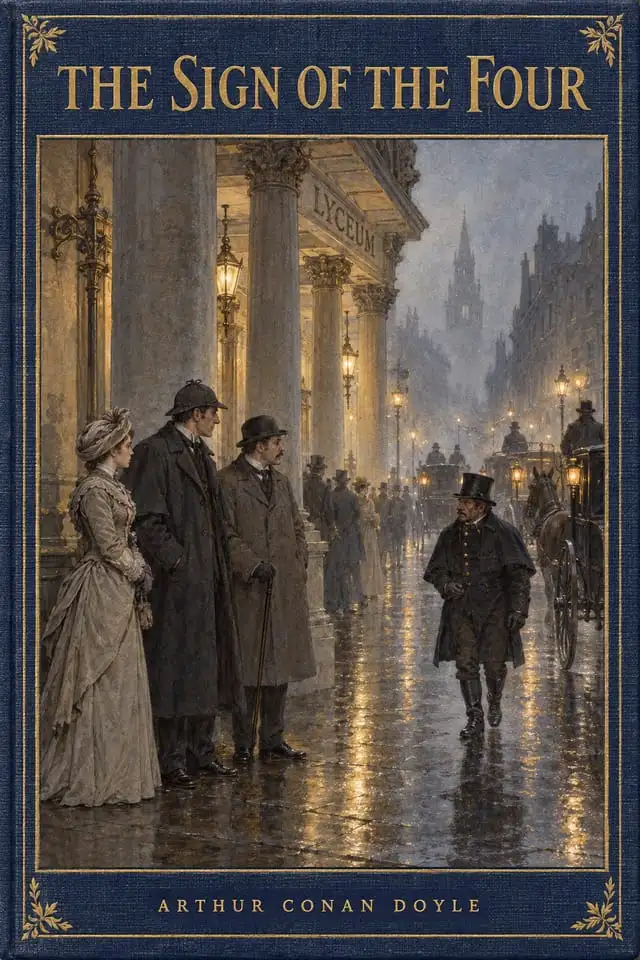
Characters
- Sherlock HolmesWith the case over, he rejects marriage as a threat to judgement and reaches for cocaine.First appears: Chapter 1: The Science of Deduction
- Dr WatsonHe tells Holmes that Mary has agreed to marry him and fears that this may end his participation in their investigations.First appears: Chapter 1: The Science of Deduction
- Watson's brotherWatson's late elder brother, whose carelessness, financial difficulties and drinking Holmes correctly infers from the marks on his watch.First appears: Chapter 1: The Science of Deduction
- Mrs HudsonAlarmed by Holmes's constant pacing and muttering, she tells Watson that she fears for his health.First appears: Chapter 1: The Science of Deduction
- Athelney JonesHe takes Small away after hearing his account and tells Holmes and Watson that they will be needed at the trial.First appears: Chapter 1: The Science of Deduction
- Miss Mary MorstanWatson announces that she has agreed to marry him.First appears: Chapter 1: The Science of Deduction
- Captain Arthur MorstanSmall says he joined Sholto's bargain to free the four convicts for a share of the treasure, but was cheated when Sholto took it all.First appears: Chapter 2: The Statement of the Case
- Mrs Cecil ForresterShe waits up for Mary's return and welcomes her with the affection of a mother rather than treating her as a paid dependant.First appears: Chapter 2: The Statement of the Case
- Major John SholtoSmall says he promised to arrange the four convicts' escape in exchange for a share of their treasure, then took all the jewels and left them imprisoned.First appears: Chapter 2: The Statement of the Case
- WilliamsThaddeus's trusted driver, a former boxing champion who once served as a porter protecting Major Sholto.First appears: Chapter 3: In Quest of a Solution
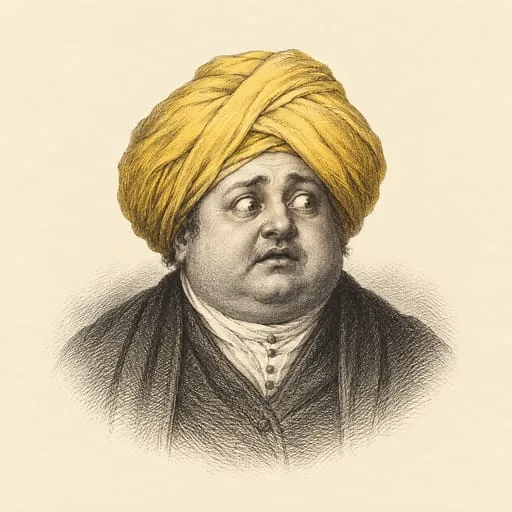
- The Indian servantA servant wearing a yellow turban and sash who admits the visitors to the suburban house.First appears: Chapter 3: In Quest of a Solution
- Thaddeus SholtoHe is released after proving an alibi that rules out Jones's accusation against him.First appears: Chapter 3: In Quest of a Solution
- Jonathan SmallHe admits helping to murder Achmet, killing a prison guard and scattering the treasure in the Thames, while defending his claim to the jewels.First appears: Chapter 3: In Quest of a Solution
- Muhammad SinghSmall identifies him as one of the Sikh guards who forced him into the treasure plot and says he remained at the gate while the others concealed Achmet's body.First appears: Chapter 3: In Quest of a Solution
- Abdullah KhanAccording to Small, he threatened Small into joining the plot to kill Achmet and later shared the agreement with Sholto and Morstan.First appears: Chapter 3: In Quest of a Solution
- Dost AkbarAccording to Small, he is Abdullah's foster-brother who devised the robbery, led Achmet to the fort and stabbed him after Small tripped him.First appears: Chapter 3: In Quest of a Solution
- Bartholomew SholtoAccording to Small, Tonga killed him before Small entered the laboratory to take the treasure.First appears: Chapter 4: The Story of the Bald-Headed Man
- Lal ChowdarMajor Sholto's now-dead servant, who, in the major's reported account, believed Sholto had killed Morstan and helped conceal the body.First appears: Chapter 4: The Story of the Bald-Headed Man
- McMurdoThe police have arrested him as an accessory to the crime at Pondicherry Lodge.First appears: Chapter 5: The Tragedy of Pondicherry Lodge
- Mrs BernstoneA newspaper reports that she has been released along with Thaddeus Sholto.First appears: Chapter 5: The Tragedy of Pondicherry Lodge
- TongaSmall says he nursed Tonga back to health and escaped with his help, but that Tonga later killed Bartholomew against Small's wishes.First appears: Chapter 6: Sherlock Holmes Gives a Demonstration
- ShermanAn elderly animal keeper who lends Watson Toby once he learns that Holmes has sent him.First appears: Chapter 6: Sherlock Holmes Gives a Demonstration
- TobyAfter being returned to the point where two scent trails crossed, he follows the other trail to a riverside wharf.First appears: Chapter 6: Sherlock Holmes Gives a Demonstration
- Lal RaoHolmes identifies him as Small's inside accomplice at Pondicherry Lodge, although Small refuses to name his informant.First appears: Chapter 6: Sherlock Holmes Gives a Demonstration
- Mordecai SmithHe denies knowing about the Norwood crime, and Small confirms that they hired him without telling him about it.First appears: Chapter 8: The Baker Street Irregulars
- Mrs SmithMordecai Smith's worried wife, who tells Holmes about the wooden-legged visitor and describes the missing Aurora.First appears: Chapter 8: The Baker Street Irregulars
- JackThe Smiths' young son, whom Holmes gives two shillings before questioning his mother.First appears: Chapter 8: The Baker Street Irregulars
- JimHe steers the Aurora during the chase and is taken aboard the police launch with his father.First appears: Chapter 8: The Baker Street Irregulars
- WigginsThe leader of Holmes's young street informants, who brings the Baker Street Irregulars to receive instructions for finding the Aurora.First appears: Chapter 8: The Baker Street Irregulars
- The foreman at Jacobson's YardHe tells the disguised Holmes that the Aurora is in the yard for a rudder repair even though nothing is wrong with it.First appears: Chapter 10: The End of the Islander
- AchmetAccording to Small, he was carrying a rajah's jewels to safety under a merchant's disguise when Small and his companions murdered him at Agra.First appears: Chapter 11: The Great Agra Treasure
- The rajahAccording to Abdullah's story, reported by Small, he sent his jewels to Agra with Achmet while supporting the rebellion, hoping to preserve wealth whichever side won.First appears: Chapter 12: The Strange Story of Jonathan Small
- The convict-guardSmall says he killed this unnamed prison guard with his wooden leg during his escape from the Andamans.First appears: Chapter 12: The Strange Story of Jonathan Small
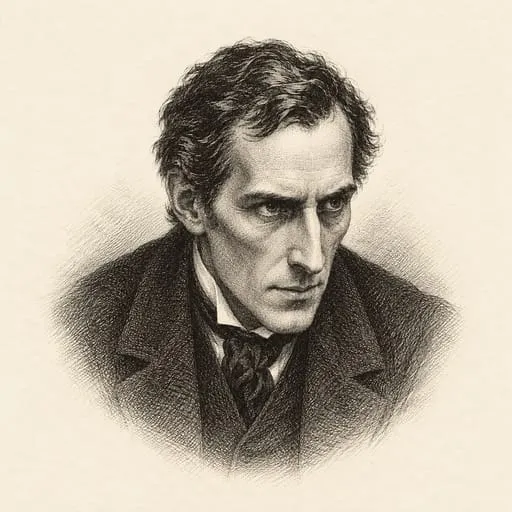
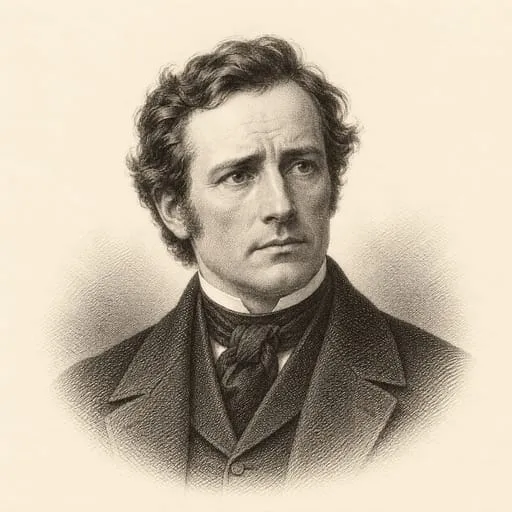
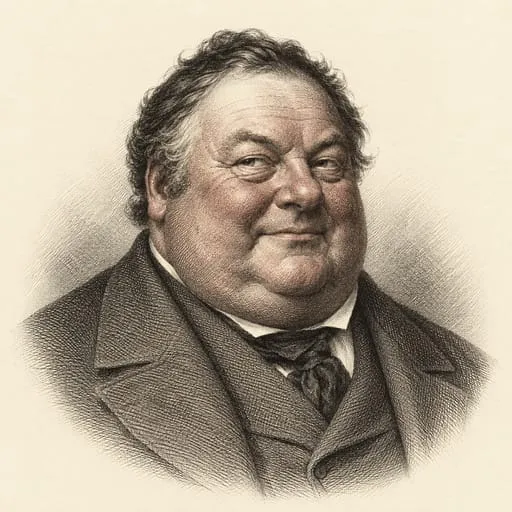

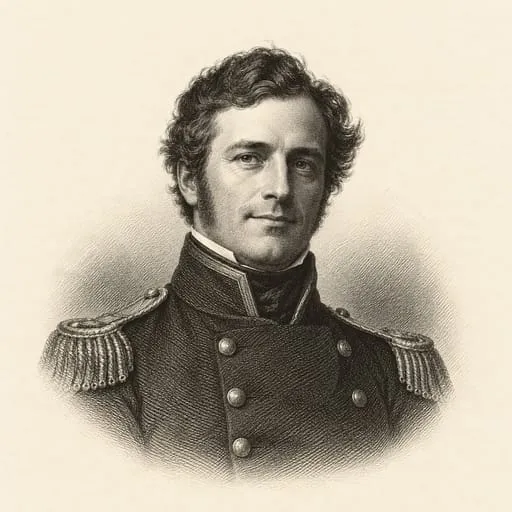
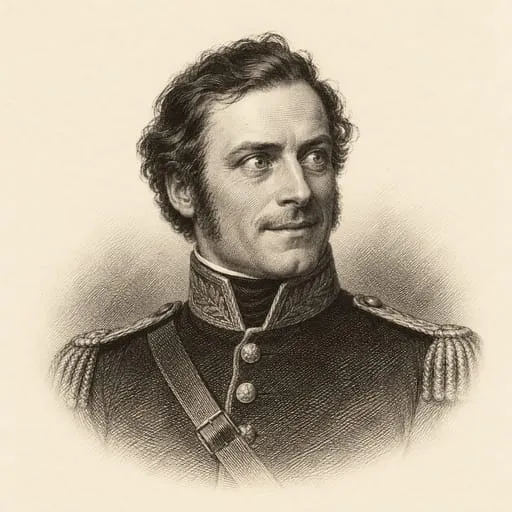
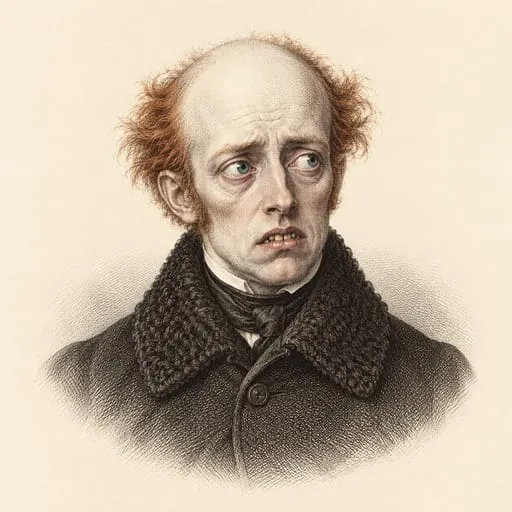
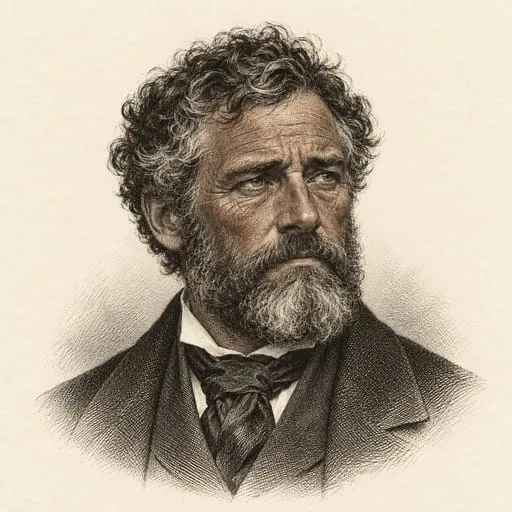
Themes
- Observation, evidence and deduction
- Reason and human feeling
- Wealth, greed and possession
- Justice and responsibility
- Secrecy and concealed histories
- India, empire and English life
- Fear and the unknown
Context
- Pawnbrokers
- Pawnbrokers lend money against objects left as security, which their owners can reclaim by repaying the loan. Holmes reads the watch's repeated pawnbroker marks as evidence of alternating need and recovery. Chapter 1: The Science of Deduction
- Governess
- A woman employed to teach children in a private household. Mary works in Mrs Forrester's family and has few friends of her own to ask for help. Chapter 2: The Statement of the Case
- Khitmutgar
- A term for an Indian household servant, particularly one who waits at table. The host uses it to address the servant who opens the door. Chapter 3: In Quest of a Solution
- Hookah
- A pipe in which tobacco smoke passes through water before being drawn through a tube. Thaddeus smokes one to calm himself as he tells his story. Chapter 4: The Story of the Bald-Headed Man
- Prizefighter
- A boxer who fights for payment. McMurdo remembers Holmes as a skilled amateur opponent, and their shared experience wins the visitors admission. Chapter 5: The Tragedy of Pondicherry Lodge
- Half-pay
- Reduced pay received by an army officer who was not on active service. Watson's description of himself as a half-pay surgeon helps explain his concern about the difference between his means and Mary's possible fortune. Chapter 7: The Episode of the Barrel
- Guinea
- A guinea was worth twenty-one shillings. Holmes offers this extra reward to the boy who finds the launch, as well as paying each boy a shilling in advance. Chapter 8: The Baker Street Irregulars
- Agony column
- A newspaper section carrying personal advertisements and messages. Holmes uses it to seek the launch while making the notice look like a wife's appeal for her missing husband. Chapter 9: A Break in the Chain
- Annuity
- A fixed sum paid each year. Watson describes Mary's expected fortune in terms of the yearly income it could provide. Chapter 11: The Great Agra Treasure
- The Company's Raj
- British East India Company rule in India. Abdullah compares taking the jewels for himself and his companions with their being taken by the Company's government. Chapter 12: The Strange Story of Jonathan Small
Chapter summaries
Chapter 1: The Science of Deduction
Watson watches Holmes inject cocaine and finally protests as both his friend and a doctor. Holmes admits its physical dangers but says that difficult problems provide the mental stimulation he needs without drugs. Their disagreement extends to storytelling: Holmes wants detection treated as an exact science, while Watson defends the human interest in his written account of a previous case. Holmes distinguishes observation from deduction by explaining how he knew Watson had sent a telegram. When Watson tests him with a watch, Holmes correctly infers his late brother's carelessness, poverty and drinking from its marks. Watson's distress makes Holmes recognise the pain behind what he has treated as an abstract problem. A visiting card interrupts Holmes's complaint that he has no work worthy of his abilities.
Chapter 2: The Statement of the Case
Mary Morstan seeks help over her father's disappearance and a series of unexplained gifts. Her father returned to London on leave from his regiment but vanished before she could meet him, and Major Sholto, his one known friend there, denied knowing of his arrival. Years later an anonymous advertisement led to a pearl arriving by post, followed by one each year until Mary had six. The latest letter promises justice at a secret meeting and allows her to bring two friends, so Holmes and Watson agree to go. Holmes links the letter's handwriting to the disguised addresses on the pearl boxes. Watson admires Mary's appearance and manner, whereas Holmes insists that personal attraction must not influence judgement. Alone, Watson tries to dismiss his romantic hopes because of his poor health and limited money.
Chapter 3: In Quest of a Solution
Holmes uses a newspaper death notice to connect Major Sholto's death with the start of Mary's anonymous gifts. He suggests that Sholto's heir knows something about her father's disappearance, but Watson points out questions that this theory cannot answer. On the way to the meeting, Mary produces a paper found among her father's possessions, showing a building plan, a red cross, four names and a strange sign. Holmes cannot yet explain it and acknowledges that the case is more complicated than he thought. The fog and shifting lights make Watson anxious, while Holmes remains absorbed in his notes and follows their route accurately. A coachman at the Lyceum insists on excluding police officers before taking them to an unknown destination south of the river. Watson finds the Indian servant at the ordinary suburban doorway incongruous, bringing the story's Indian connections into the London setting.
Chapter 4: The Story of the Bald-Headed Man
Thaddeus Sholto receives the visitors in a richly furnished room and asks them to keep police and officials out of the affair. He recounts his father Major Sholto's deathbed confession that Captain Morstan died during a quarrel over treasure and that the major concealed the body to avoid suspicion and disclosure. The major's attempt to excuse himself sits uneasily beside his admission that greed made him withhold Morstan's share from Mary. Before he could reveal the hiding place, a face at the window terrified him and he died; his room was later searched and a note bearing "The sign of the four" was left on his body. Thaddeus says he sent Mary the pearls after persuading Bartholomew, treating her claim as a duty rather than a gift. Bartholomew has now located the treasure in a concealed garret by measuring the house. As they travel to Pondicherry Lodge, Watson feels ashamed that Mary's possible fortune brings him misery rather than happiness.
Chapter 5: The Tragedy of Pondicherry Lodge
McMurdo initially bars the visitors from Pondicherry Lodge but admits them after recognising Holmes from a boxing match. The house's silence and the housekeeper's frightened crying unsettle the party, while Watson and Mary find comfort in holding hands. Mary calms Mrs Bernstone and remains with her as Holmes, Watson and Thaddeus go upstairs to investigate Bartholomew's failure to answer his door. They force their way into a room bolted from inside and find Bartholomew dead in a laboratory, his face fixed in an unnatural grin. A stone-headed stick and a note saying "The sign of the four" lie nearby, and Holmes identifies a thorn above the ear as poisoned. Thaddeus says the treasure has vanished and fears being blamed because he helped lower it from the garret and left Bartholomew alone the night before. Holmes reassures him and advises him to inform the police, while maintaining that the evidence is making the case clearer.
Chapter 6: Sherlock Holmes Gives a Demonstration
Holmes uses muddy marks and a bloodstained rope to reconstruct how a wooden-legged man reached the high window with an accomplice's help. A trapdoor in the garret explains the accomplice's entrance, while tiny bare footprints briefly unsettle both investigators. A mark in spilt creosote gives Holmes a scent trail, and the body's extreme rigidity supports his conclusion that the thorn carried poison. Athelney Jones mocks Holmes's theories but repeatedly adjusts his own explanation to make Thaddeus guilty, even when Holmes presents awkward evidence. Jones arrests Thaddeus, exposing the danger of official confidence unsupported by careful reasoning. Holmes promises to clear him, identifies Jonathan Small as the likely wooden-legged intruder, and asks Watson to escort Mary home before bringing back Toby.
Chapter 7: The Episode of the Barrel
Watson restrains his love because Mary is distressed and because her possible fortune makes him fear appearing interested in her money. Mrs Forrester's affectionate welcome gives him a glimpse of domestic peace before he fetches Toby from Sherman's animal-filled house. Back at Pondicherry Lodge, he learns that Jones has extended his arrests, while Holmes compares the bare footprints and retraces the accomplice's route across the roof. A dropped pouch of wooden spines like the murder weapon strengthens Holmes's interpretation of the crime. As Toby follows the creosote, Holmes reconstructs Small's history as a convict seeking treasure and revenge, and argues that the accomplice killed Bartholomew against Small's wishes. Watson questions the speculative basis of the account before accepting Holmes's explanation of Small's identity. The confident pursuit ends comically at a barrel smelling of creosote, making the strength of a scent distinct from proof that it belongs to the fugitives.
Chapter 8: The Baker Street Irregulars
Holmes explains the mistaken trail and leads Toby back to follow the other scent to the river, where the scent trail ends. By pretending to be a customer and offering false details for Mrs Smith to correct, he draws out an account of her husband's departure and a description of the Aurora. He rejects a public advertisement that might warn the fugitives and instead recruits the Baker Street Irregulars to search both banks. Watson remains committed to recovering Mary's share despite believing that wealth would place her beyond his reach, so affection becomes a motive for work rather than a distraction from it. The newspaper praises Jones and credits him with deductions Holmes made, exposing the gap between the reader's knowledge and the public account. Holmes links the unnamed accomplice to the Andaman Islands through his footprints and weapons, supported by a gazetteer whose hostile generalisations turn an entire people into a source of fear. The chapter ends with the search unresolved and Holmes playing the violin to soothe the exhausted Watson to sleep.
Chapter 9: A Break in the Chain
While the search for the Aurora stalls, Holmes becomes sleepless and irritable, showing how much his composure depends on progress. Watson visits Mary, who cares more about clearing Thaddeus than gaining a fortune. Holmes eventually goes out in disguise, leaving Watson to receive messages. A newspaper reports Thaddeus and Mrs Bernstone's release, but the long wait makes Watson question whether Holmes has misread the evidence. Jones arrives and admits that Thaddeus's alibi has destroyed his own theory. Holmes returns as an elderly sailor and deceives both men before revealing himself. He takes command of a planned police expedition, obtaining permission to question Small and let Watson show Mary the chest if it is recovered.
Chapter 10: The End of the Islander
Holmes explains that changing to chemical work let him reconsider the missing launch. By imagining how Small could keep the Aurora ready while hiding it, he reasoned that a repair yard offered a suitable cover. His search found the launch at Jacobson's Yard, with a pretended rudder repair and a collection arranged for that evening. A boy's signal alerts the waiting police launch, but the Aurora's speed and an obstructing tug make the chase uncertain. Watson's hostile animal imagery makes the islander seem less than human; Holmes and Watson then fire as the man lifts his weapon to his lips. The islander falls into the river, while the wooden-legged fugitive runs the Aurora aground and becomes trapped in the mud. The pursuers recover an iron chest, and a dart lodged behind Holmes and Watson shows how narrowly they escaped death.
Chapter 11: The Great Agra Treasure
Small denies responsibility for Bartholomew's death, naming Tonga as the killer and saying he had expected the room to be empty. He distinguishes his lack of hostility towards Bartholomew from his willingness to kill Major Sholto, while presenting the treasure as a curse on everyone who has possessed it. Holmes offers to hear his account and thinks he can establish that Bartholomew was dead before Small reached the room. Jones reports Smith's denial of knowledge of the crime, which Small supports by explaining that the boatman was paid without being told their business. With an inspector waiting outside, Watson takes the chest to Mary and tries to sound delighted at her expected wealth. Opening it reveals that its weight comes from the ironwork and that no treasure remains inside. Freed from what he sees as the barrier of her wealth, Watson declares his love, and her reply makes the loss of money a moment of shared happiness.
Chapter 12: The Strange Story of Jonathan Small
Small says he scattered the jewels along the Thames so that nobody else could enjoy the treasure he claims for himself and his three imprisoned companions. Looking back to his life in India, he describes joining three Sikhs in a plot to murder Achmet, a rajah's servant carrying the jewels. Watson is horrified by Small's part in Achmet's murder and still more by his casual manner of recounting it, casting doubt on Small's attempt to present himself as a victim. Convicted alongside his accomplices, Small later bargains with the indebted Sholto and Morstan for all four convicts' release, but Sholto takes the jewels and abandons them. Small says he nursed Tonga back to health, killed a guard during their escape and eventually reached England with Tonga to pursue Sholto. His account explains the signs left after both Sholtos' deaths and blames Tonga for killing Bartholomew before Small entered the room. After Jones takes Small away, Watson announces his engagement to Mary, while Holmes rejects marriage as a threat to reason and reaches for cocaine.
Key quotes
Detection is, or ought to be, an exact science, and should be treated in the same cold and unemotional manner.
Holmes sets out an ideal of detection free from feeling. His criticism of Watson's writing also draws attention to the way Watson chooses to tell their story.
Observation, evidence and deductionReason and human feeling
Viewing the matter as an abstract problem, I had forgotten how personal and painful a thing it might be to you.
Holmes's apology exposes a cost of treating people as problems. He can explain the watch's marks while overlooking what the explanation means to his friend.
Reason and human feeling
What seems strange to you is only so because you do not follow my train of thought or observe the small facts upon which large inferences may depend.
Holmes replaces apparent mystery with a sequence of observations and inferences. His explanations let Watson and the reader retrace the steps that first seemed impossible.
Observation, evidence and deduction
You are a wronged woman, and shall have justice. Do not bring police.
The letter offers redress while excluding the institution expected to investigate wrongdoing. This unexplained condition makes the promise both hopeful and unsettling.
Justice and responsibilitySecrecy and concealed histories
The emotional qualities are antagonistic to clear reasoning.
Holmes treats feeling as an obstacle to sound judgement. Watson's account of his growing attraction gives the reader a different response to the same client.
Observation, evidence and deductionReason and human feeling
What was I, an army surgeon with a weak leg and a weaker banking-account, that I should dare to think of such things?
Watson links his physical vulnerability with his lack of money. The repeated reference to weakness turns his attraction into a judgement against his own prospects.
Reason and human feelingWealth, greed and possession
I must reconsider my ideas.
Holmes responds to the unexplained document by revising his approach. His willingness to question an early explanation is part of his method, despite his confident manner.
Observation, evidence and deduction
Like all human kind, they flitted from the gloom into the light, and so back into the gloom once more.
Watson turns the passing faces into a reflection on human life. The movement between light and darkness also suits his uncertainty about the journey.
Fear and the unknownReason and human feeling
We were driving to an unknown place, on an unknown errand.
The repeated "unknown" stresses how little control the visitors have. Watson's limited understanding allows the reader to share his unease.
Fear and the unknownSecrecy and concealed histories
The mere feeling of possession has been so dear to me that I could not bear to share it with another.
In Thaddeus's account, the major admits that ownership itself mattered more than using the treasure. His confession explains how greed denied Mary her share even when the wealth lay idle.
Wealth, greed and possessionJustice and responsibility
You will see from what I say that I can hardly be blamed in the matter.
The major asks his sons to accept his defence after describing the concealment of a body. His self-justification gives students a reason to examine his account rather than treat it as a neutral report.
Justice and responsibilitySecrecy and concealed histories
We were your trustees,
Thaddeus describes the brothers as holding wealth for Mary's benefit. This view of responsibility opposes the major's attachment to possession and Bartholomew's reluctance to surrender the pearls.
Wealth, greed and possessionJustice and responsibility
So we stood hand in hand, like two children, and there was peace in our hearts for all the dark things that surrounded us.
The simple image of two children gives the scene tenderness amid the threatening setting. Watson presents emotional attachment as a source of comfort while Holmes studies the grounds.
Reason and human feelingFear and the unknown
a horrible smile, a fixed and unnatural grin, which in that still and moonlit room was more jarring to the nerves than any scowl or contortion.
The smile is frightening because it contradicts the expression normally associated with happiness. Watson's restricted view through the keyhole delays explanation and concentrates attention on the face.
Fear and the unknown
Take my advice, and drive down to the station to report this matter to the police. Offer to assist them in every way.
Holmes answers Thaddeus's fear of suspicion with practical advice to cooperate. The instruction reverses the earlier insistence on excluding police from the family's affairs.
Justice and responsibilitySecrecy and concealed histories
How often have I said to you that when you have eliminated the impossible whatever remains, however improbable, must be the truth?
Holmes turns the apparently impossible entrance into a problem of excluding alternatives. His question also makes Watson practise the reasoning rather than simply accept an answer.
Observation, evidence and deduction
You see that I am weaving my web round Thaddeus. The net begins to close upon him.
Jones's images of a web and net make detection sound like trapping a chosen victim. His determination to fit new details into the accusation contrasts with Holmes's close examination of traces.
Observation, evidence and deductionJustice and responsibility
My case is, as I have told you, almost complete; but we must not err on the side of overconfidence.
Holmes qualifies his certainty with a warning. The caution offers a standard against which to judge both his own confident claims and Jones's rush to arrest Thaddeus.
Observation, evidence and deductionJustice and responsibility
This Agra treasure intervened like an impassable barrier between us.
Watson makes wealth an obstacle to intimacy. His fear of seeming a fortune-seeker turns the prospect of Mary's good fortune into a reason for silence.
Wealth, greed and possessionReason and human feeling
from the point of view of the four associates, something in the nature of an act of justice.
Holmes imagines how Small might have justified a planned killing of the major. The qualification about viewpoint keeps this proposed private revenge separate from an accepted judgement of justice.
Justice and responsibilityWealth, greed and possession
Sherlock Holmes and I looked blankly at each other, and then burst simultaneously into an uncontrollable fit of laughter.
The shared laughter releases the tension of the pursuit. The barrel's creosote smell gives a comic answer to Holmes's expectation that they are nearing the fugitives.
Observation, evidence and deductionReason and human feeling
Yet it would be a petty and selfish love which would be influenced by such a thought as that.
Watson rejects the idea of letting his own prospects govern his efforts to recover Mary's money. His inner argument makes love a test of responsibility as well as a private feeling.
Reason and human feelingWealth, greed and possessionJustice and responsibility
They can go everywhere, see everything, overhear everyone.
The repeated broad claims explain why Holmes values the street children's access to London. Their everyday mobility supplies evidence that a lone investigator could not quickly gather.
Observation, evidence and deduction
It may be looked upon as the very latest authority.
Holmes grants the gazetteer authority before reading its hostile racial descriptions aloud. The passage shows supposedly reliable reference material reinforcing his treatment of an unknown individual through general claims about a people.
India, empire and English lifeObservation, evidence and deductionFear and the unknown
This infernal problem is consuming me.
Holmes describes the stalled investigation as something eating away at him. His sleeplessness and agitation show the emotional strain beneath his confident reasoning.
Observation, evidence and deductionReason and human feeling
I had never known him to be wrong; and yet the keenest reasoner may occasionally be deceived.
Watson weighs his trust in Holmes against the possibility of error. Keeping the reader with a waiting, uncertain narrator makes the pause in the investigation a test of Holmes's authority.
Observation, evidence and deduction
It is our duty to clear him of this dreadful and unfounded charge.
Mary places Thaddeus's innocence above her chance of becoming rich. Her language of duty makes justice more urgent than personal gain.
Justice and responsibilityWealth, greed and possession
We have no right to take anything for granted
Holmes refuses to move downstream merely because that is the fugitives' likely route. His distinction between probability and certainty turns careful reasoning into a practical decision about where to wait.
Observation, evidence and deduction
The furnaces roared, and the powerful engines whizzed and clanked, like a great metallic heart.
The noises and the image of a heart make the launch seem alive. Watson shifts from listening to an explanation to sharing the bodily excitement of pursuit.
Reason and human feeling
his thick lips were writhed back from his teeth, which grinned and chattered at us with a half animal fury.
The animal imagery presents the islander as less than human. Watson's racial prejudice shapes the description of danger before he sees the man raise his weapon.
India, empire and English lifeFear and the unknown
To him it brought murder, to Major Sholto it brought fear and guilt, to me it has meant slavery for life.
Linking Achmet's murder, Sholto's guilt and his own forced labour, Small presents the treasure as a source of suffering. His account casts him as a victim while he defends his actions.
Wealth, greed and possessionJustice and responsibilityIndia, empire and English life
If we are pretty quick in catching our men, we are not so quick in condemning them.
Jones claims caution despite having arrested Thaddeus on a theory disproved by an alibi. Watson's amusement and Holmes's smile expose the gap between this claim and his earlier conduct.
Justice and responsibility
It was selfish, no doubt, disloyal, wrong, but I could realize nothing save that the golden barrier was gone from between us.
The metaphor makes Mary's possible fortune a physical obstacle to love. Watson judges his own relief harshly, yet the loss of the money releases the feelings he has withheld.
Wealth, greed and possessionReason and human feeling
We only ask you to do that which your countrymen come to this land for. We ask you to be rich.
Abdullah presents getting rich as the purpose of British involvement in India. His argument links the private robbery with imperial claims to wealth, challenging the distinction between respectable authority and criminal greed.
India, empire and English lifeWealth, greed and possessionJustice and responsibility
My heart softened to him, but again the thought of his treasure turned me hard and bitter.
Small admits choosing wealth over pity, even though he also blames threats against his own life. The movement from softness to hardness exposes his active part in Achmet's murder.
Wealth, greed and possessionJustice and responsibilityReason and human feeling
But love is an emotional thing, and whatever is emotional is opposed to that true cold reason which I place above all things.
Holmes treats love as a danger to judgement just as Watson gains happiness through his engagement. Watson's engagement and Holmes's final reach for cocaine give the two men sharply different endings to the case.
Reason and human feelingObservation, evidence and deduction