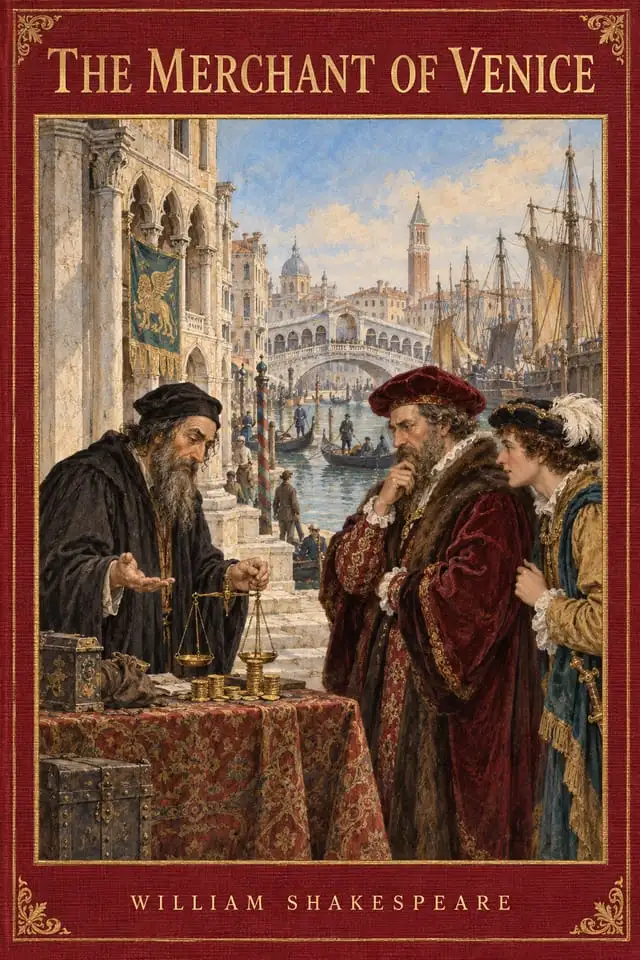
The Merchant of Venice Study Guide
GCSE set textAQA GCSEEdexcel GCSEOCR GCSEEduqas GCSE
Notes cover the whole book.
Characters
- AntonioAntonio guarantees that Bassanio will not deliberately break faith with Portia again and learns from a letter she gives him that three of his merchant ships have returned safely.First appears: Act 1, Scene 1
- SalarinoSalarino tries to explain Antonio's sadness by imagining the loss of his merchant ships, then suggests that he is in love.First appears: Act 1, Scene 1
- SalanioSalanio tells Antonio that having wealth at sea would make him anxious about the weather and the safety of his investments.First appears: Act 1, Scene 1
- BassanioBassanio defends giving away his ring as gratitude for Antonio's rescue, promises Portia to keep faith and receives the ring back before discovering she was the doctor.First appears: Act 1, Scene 1
- LorenzoLorenzo welcomes the returning household and thanks the women for the deed granting him and Jessica everything Shylock possesses at his death.First appears: Act 1, Scene 1
- GratianoGratiano admits giving his ring to the clerk, learns that the clerk was Nerissa and ends with a joke linking the safety of her ring to sexual fidelity.First appears: Act 1, Scene 1
- PortiaPortia challenges Bassanio over his broken promise, returns his ring through Antonio, reveals her disguise and gives Antonio news that three of his ships are safe.First appears: Act 1, Scene 2
- NerissaNerissa rebukes Gratiano for giving away her ring, returns it as her identity as the clerk is revealed and delivers Shylock's deed to Lorenzo and Jessica.First appears: Act 1, Scene 2
- Portia's servantPortia's servant announces a Venetian messenger with rich gifts from an approaching lord and praises the messenger's promise as an ambassador of love.First appears: Act 1, Scene 2
- ShylockShylock loses his claim to Antonio's flesh and, with his life dependent on the Duke's pardon, agrees to become a Christian and settle his estate on Lorenzo and Jessica after his death.First appears: Act 1, Scene 3
- The Prince of MoroccoThe Prince of Morocco chooses the gold casket because he thinks it worthy of Portia, finds a death's head and a warning against outward show, and leaves in grief.First appears: Act 2, Scene 1
- Launcelot GobboLauncelot teases Jessica about damnation and conversion, then answers Lorenzo's accusation that he has made a Moorish woman pregnant with a pun.First appears: Act 2, Scene 2
- Old GobboOld Gobbo is Launcelot's nearly blind father, who fails to recognise his son at first and then helps him ask Bassanio for employment.First appears: Act 2, Scene 2
- LeonardoLeonardo is Bassanio's follower, whom Bassanio urges to finish buying and arranging things for his feast and return quickly.First appears: Act 2, Scene 2
- JessicaJessica playfully accuses Lorenzo of false vows, says sweet music never makes her merry and is named with him as a beneficiary of the deed to her father's estate after his death.First appears: Act 2, Scene 3
- The Prince of ArragonThe Prince of Arragon rejects the gold casket as the crowd's choice, assumes he deserves Portia and chooses silver, only to find a fool's portrait and leave unsuccessful.First appears: Act 2, Scene 9
- Antonio's servantAntonio's servant summons Salarino and Salanio to speak with his master at home.First appears: Act 3, Scene 1
- TubalTubal returns from searching for Jessica with reports of her spending and Antonio's losses, and Shylock asks him to engage an officer.First appears: Act 3, Scene 1
- SalerioSalerio is a messenger from Venice who brings Antonio's letter to Bassanio at Belmont and reports Shylock's insistence on the bond.First appears: Act 3, Scene 2
- The gaolerThe gaoler accompanies Antonio outside at his request and is rebuked by Shylock for allowing it.First appears: Act 3, Scene 3
- BalthasarBalthasar is Portia's servant, whom she sends to carry a letter to Doctor Bellario in Padua and bring notes and garments to the Venice ferry.First appears: Act 3, Scene 4
- The DukeThe Duke presides over Antonio's trial, admits the disguised Portia on Bellario's recommendation and pardons Shylock's life while threatening to withdraw that pardon unless he accepts Antonio's conditions.First appears: Act 4, Scene 1
- The clerkThe clerk reads Bellario's letter recommending a young doctor named Balthasar to act in his place.First appears: Act 4, Scene 1
- StephanoStephano brings word of Portia's approaching return and is sent by Lorenzo to alert the household and bring out the musicians.First appears: Act 5, Scene 1
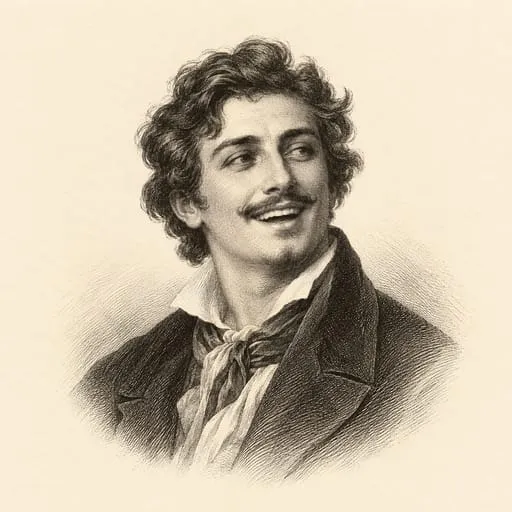
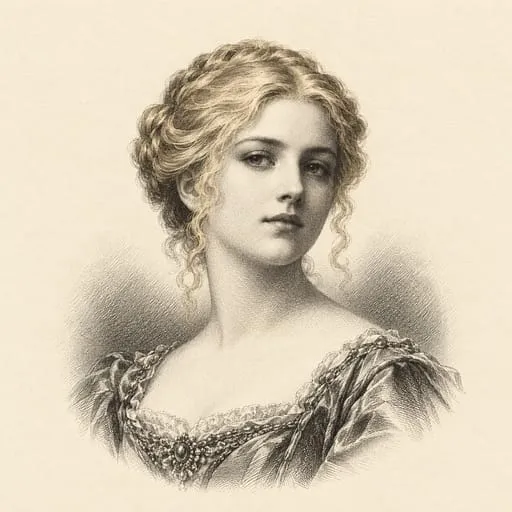

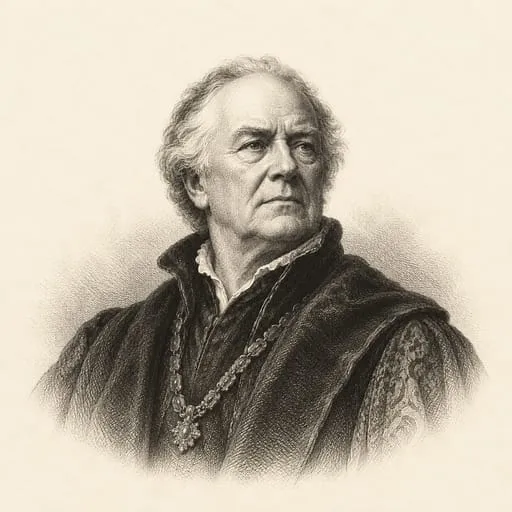
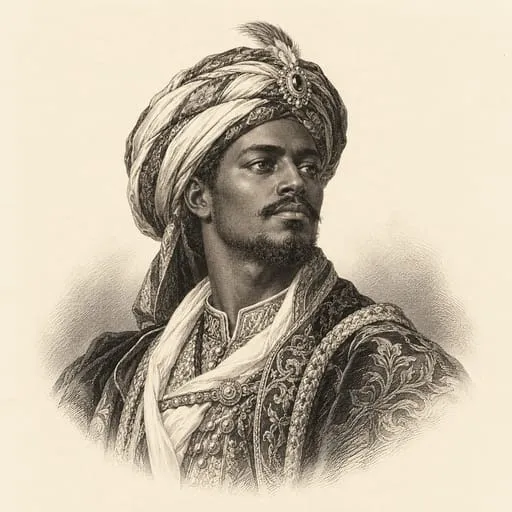
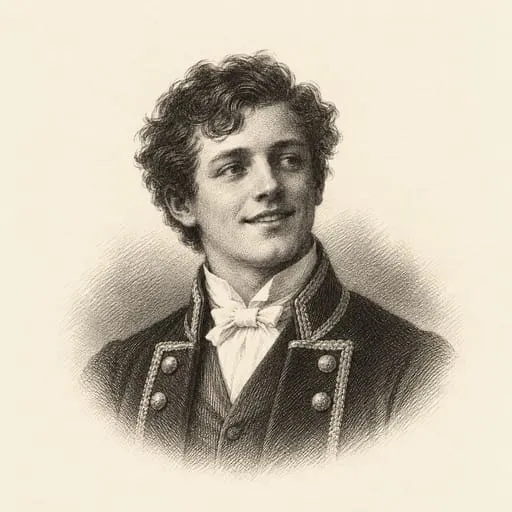
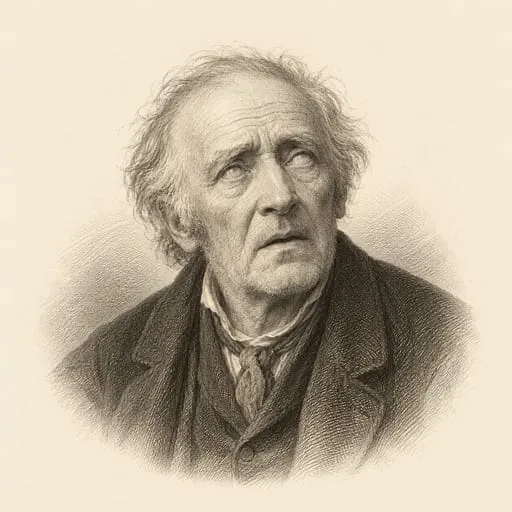
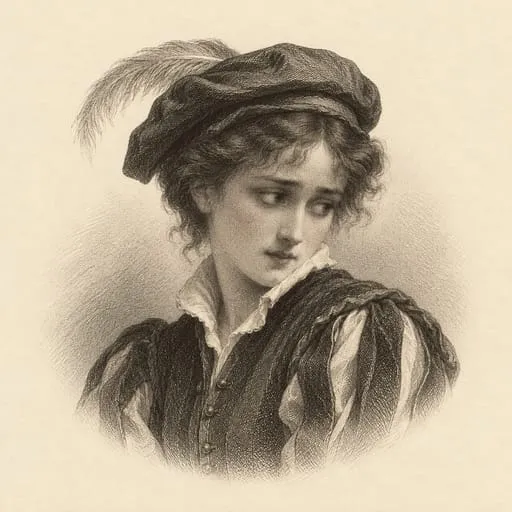
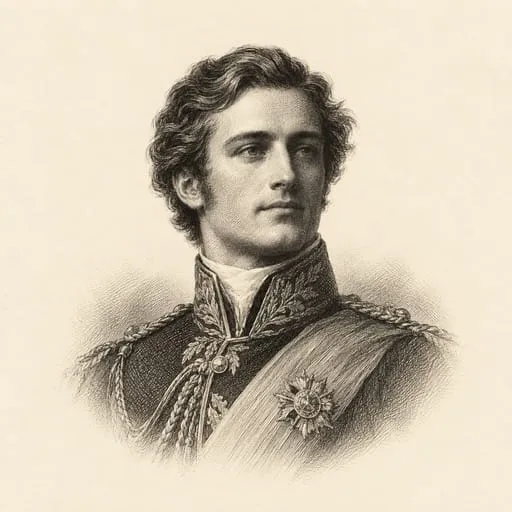
Themes
- Money, credit and risk
- Friendship and generosity
- Love, marriage and wealth
- Choice and control
- Religious and racial prejudice
- Appearance and reality
- Bonds, law and obligation
- Revenge and mercy
Context
- Credit
- Credit allows someone to borrow on the strength of trust that they can repay: Antonio offers his standing in Venice because he has no money available at once. Act 1, Scene 1
- An alien
- A person who is not a citizen of the state; Portia applies this legal distinction to Shylock when accusing him of seeking Antonio's life. Act 4, Scene 1
Chapter summaries
Act 1, Scene 1
Antonio cannot explain his sadness, and rejects his friends' suggestions that trade or love causes it. Salarino's imagined shipwrecks introduce the risks of commerce even as Antonio insists that his investments are spread across ships, destinations and years. Bassanio, Lorenzo and Gratiano arrive, and Gratiano urges Antonio to abandon his gloom while mocking men whose silence passes for wisdom. Once the others have left, Bassanio admits that an expensive way of life has put him in debt, especially to Antonio. He presents a further loan as a way to recover earlier losses and describes Portia through her wealth, beauty, virtues and what he takes as signs of interest in him. Antonio promises his purse and person if Bassanio's plan is honourable, making friendship a commitment to material support, though he must borrow because his wealth is at sea.
Act 1, Scene 2
Portia's complaint that she is weary of the world echoes Antonio's sadness, although Nerissa reminds her of her good fortune. Portia distinguishes knowing what is good from acting on it, then complains that her father's marriage rule denies her freedom to choose. Nerissa defends the test of three caskets, made of gold, silver and lead, as a way to find a loving husband. Portia's comic portraits of the suitors show her sharp judgement, while her plan to tempt the German suitor towards the wrong casket with wine shows her desire to influence a choice she cannot make herself. She nevertheless says she will obey her father's will, welcomes the suitors' refusal to take the test and joins Nerissa in praising the remembered Bassanio. The servant's announcement brings another suitor into prospect, and Portia's comment about Morocco's complexion shows that her own judgements also contain prejudice.
Act 1, Scene 3
Shylock assesses Antonio's ability to repay Bassanio's proposed loan by weighing his trading ventures against the dangers facing ships. He refuses Bassanio's dinner invitation, distinguishing commercial dealings with Christians from eating and praying with them. When Antonio enters, Shylock's aside reveals both religious hatred and resentment that Antonio's interest-free lending reduces the rates others can charge. Antonio is prepared to break his usual rule against paying interest for his friend, but disputes Shylock's use of the story of Jacob's sheep to justify charging interest. Shylock describes Antonio's insults, spitting and kicking, and Antonio answers that he is likely to repeat them and wants to borrow as an enemy rather than a friend. Shylock calls his interest-free offer friendly and playful, but proposes taking a pound of Antonio's flesh from wherever he chooses if Antonio fails to repay. Bassanio objects, but Antonio accepts because he expects ships worth many times the loan to return a month before repayment is due.
Act 2, Scene 1
Morocco enters with his followers before Portia, Nerissa and their attendants, and begins by defending his complexion. He proposes comparing whose blood is redder, his or a fair-skinned northerner's, turning his defence into a competitive test of worth. Portia says that appearance does not wholly govern her preferences, but stresses that her father's test prevents her choosing freely. Morocco lists heroic feats he would perform for her, then compares the casket test to a game of dice in which a weaker man might defeat a stronger one. His speech sets personal worth against the power of chance as he understands it. Portia makes the penalty clear, and Morocco agrees to proceed despite the risk of losing her and the right to court another woman.
Act 2, Scene 2
Alone on stage, Launcelot performs an argument between his conscience and a tempting fiend about leaving Shylock's service. He chooses the fiend's advice while calling his Jewish master a devil, making religious abuse part of his comic justification. Old Gobbo arrives without recognising him, and Launcelot exploits his father's poor sight with misleading directions and a false report of his own death. After revealing himself, Launcelot redirects his father's gift towards Bassanio because he admires the fine new clothes Bassanio gives his servants. Bassanio grants their confused petition, explaining that Shylock has already recommended Launcelot, and orders him a more decorated livery than the other servants'. Bassanio sends Leonardo to finish preparations for his feast, then agrees that Gratiano may come to Belmont if he moderates his noisy manners. Gratiano's promise to display prayer-books and solemn gestures makes respectable behaviour sound like a performance, though both men permit merriment that evening.
Act 2, Scene 3
Jessica and Launcelot meet in Shylock's house as he prepares to leave his employment. She describes the house as hell but calls Launcelot a merry devil, turning the religious language of his earlier complaint into praise for his humour. She gives him a ducat and asks him to deliver a letter secretly to Lorenzo at Bassanio's supper. Launcelot's tearful farewell mixes affection with a joke suggesting that a Christian, rather than Shylock, fathered her. After his exit, Jessica's soliloquy reveals guilt about being ashamed of her father. She distinguishes inheriting his blood from sharing his manners and makes her hoped-for marriage and conversion depend on Lorenzo keeping his promise.
Act 2, Scene 4
The four friends plan to slip away during supper, disguise themselves and return, but they have not yet arranged torch-bearers. Launcelot arrives with Jessica's letter, which Lorenzo recognises by its handwriting and praises through a play on the word 'hand'. Lorenzo gives him something and sends a private promise to Jessica while Launcelot is on his way to invite Shylock to Bassanio's supper. Once Salarino and Salanio leave to prepare, Lorenzo tells Gratiano the letter's instructions for taking Jessica from her father's house. Her page's clothes and valuables make the planned departure an act of disguise as well as a transfer of wealth. Lorenzo praises Jessica while calling her father faithless, showing that his love for a Jewish woman does not prevent religious contempt towards her father.
Act 2, Scene 5
Shylock warns Launcelot that Bassanio will not indulge his appetite and laziness, contradicting Launcelot's earlier complaint of being starved. He gives Jessica his keys but says a dream about money-bags has made him uneasy about going out. Although he distrusts the invitation, he decides to eat at the expense of the Christian he regards as wasteful. News of the masque makes him order Jessica to lock the doors and keep away from the windows, describing the house as a body whose ears must be stopped. Launcelot counters those instructions with a message to look out for a Christian, which Jessica disguises as an ordinary farewell when Shylock asks about it. Shylock hopes his former servant will help waste Bassanio's borrowed money and leaves with a proverb about securing possessions. Jessica's final couplet exposes what his precautions cannot control: her intention to leave him.
Act 2, Scene 6
As Gratiano and Salarino wait in masks, Lorenzo's lateness prompts a cynical discussion of how desire weakens after it gets what it wants. Gratiano compares a returning, battered ship with an extravagant young man, joining the language of love to commerce and waste. Lorenzo arrives and calls up to Jessica, who appears above in boy's clothes and hands him a valuable casket. She is embarrassed by her disguise and objects that acting as a torch-bearer will draw attention to what she wants concealed. She goes to secure the doors and take more ducats, while Lorenzo praises her as wise, fair and true and Gratiano praises her by denying her Jewish identity. Jessica comes down and leaves with Lorenzo and Salarino, so the escape happens without Shylock present. Antonio then arrives to summon Gratiano to Bassanio's ship: the wind has changed, and the planned masque will not take place.
Act 2, Scene 7
Portia has the caskets uncovered and confirms that the one containing her portrait will make her the successful chooser's wife. Morocco reads the three inscriptions aloud and rejects lead because he will not risk everything for something he considers worthless. He weighs silver's promise of what he deserves against his birth, wealth, upbringing and love, but turns towards gold because so many men desire Portia. Calling her a saint, a gem and an angel, he assumes that her value must correspond to the richest container. The gold casket instead reveals a death's head with a scroll that rebukes trust in glittering surfaces. The contrast between the precious exterior and the image of death exposes the error in his reasoning. Morocco leaves distressed, while Portia's wish that everyone of his complexion should choose the same way shows her continuing racial prejudice.
Act 2, Scene 8
Only Salarino and Salanio are on stage, so the departures, search and public distress reach the audience through their accounts. Salarino says that Bassanio sailed with Gratiano but without Lorenzo, and that Antonio assured the duke the lovers were not aboard. Salanio imitates Shylock's cries by repeatedly mixing daughter, ducats, jewels, religion and demands for justice, while Salarino reports that boys mock him in the street. Their insults shape the report, so it is not an unmediated speech by Shylock. Salanio worries that Antonio will suffer if he misses his repayment date, and Salarino recalls hearing of a richly laden Venetian shipwreck without knowing whose vessel it was. Salarino then describes Antonio urging Bassanio to take time over courtship and put the bond out of mind, before taking his friend's hand with tears in his eyes. The friends' tenderness towards Antonio contrasts with their derision of Shylock's distress, and they leave to relieve Antonio's sadness.
Act 2, Scene 9
Nerissa prepares for Arragon's choice, and the prince states the oath requiring secrecy about his selection, no further courtship of a maid if he fails, and immediate departure. He dismisses lead for its appearance, then rejects gold because he refuses to choose with the common crowd. His criticism of people who judge only the outside sits uneasily beside his own response to lead. Silver's promise of deserved reward prompts a speech against unearned rank, followed by his confident assumption that he merits Portia. The casket contains a fool's portrait and a mocking verse, and Arragon leaves acknowledging that he now carries two fools' heads. After Portia mocks the suitors' elaborate reasoning and Nerissa invokes destiny, a servant announces a Venetian messenger with gifts from an approaching lord. Portia eagerly goes to meet this messenger, but only Nerissa names Bassanio, as a hope rather than confirmed news.
Act 3, Scene 1
In a Venetian street, Salanio and Salarino discuss news of a shipwreck and greet Shylock with religious insults and mockery about his daughter. Shylock answers that Jews have the same bodies and feelings as Christians, then turns this claim of equality into a defence of revenge learned from Christian conduct. Antonio's servant summons the two men away, leaving Shylock with Tubal. Tubal has not found Jessica, but brings reports of her spending and says he has spoken to sailors who escaped the wreck of Antonio's ship from Tripolis. Shylock moves between rage at his daughter, whom he wishes dead with the stolen valuables, and delight at Antonio's losses. His grief over a turquoise ring received from Leah in his bachelor days gives one lost possession a value beyond money. He asks Tubal to engage an officer and declares his intention to take Antonio's heart if the bond is forfeit, linking revenge with the commercial freedom Antonio's removal would give him.
Act 3, Scene 2
At Belmont, Portia asks Bassanio to delay choosing because she fears losing him, but refuses to break her oath by telling him the answer. A song about desire nourished by the eyes accompanies his reflections on deceptive ornament, and he rejects gold and silver for lead. Portia's aside reveals overwhelming joy at his choice, and he opens the casket to find her portrait and the successful chooser's scroll. Portia gives herself and her possessions with a ring that makes a claim on his fidelity, and Bassanio vows that it will leave his finger only when his life ends. Gratiano reveals that Nerissa's promise of love depended on Bassanio's success, and the two couples agree to marry together. Salerio's arrival with Lorenzo and Jessica interrupts the celebration: Antonio's letter reports disaster, Bassanio admits the debt that endangered his friend, and Jessica recalls Shylock's preference for flesh over repayment. Portia offers many times the sum owed and directs Bassanio to marry her first, then travel to Venice, placing her wealth behind his obligation to Antonio.
Act 3, Scene 3
Shylock enters a Venetian street with Antonio, Salarino and the gaoler, angrily rejecting any appeal to mercy. He refuses Antonio a hearing and repeats his demand for the bond as both a legal right and a sworn obligation. Turning Antonio's earlier insult against him, he says that someone called a dog should be feared for his fangs. After Shylock leaves, Antonio attributes the hatred to his own practice of rescuing debtors from forfeitures. Salarino trusts the duke to prevent enforcement, but Antonio argues that denying foreigners their legal rights would damage Venice's justice and trade. Worn down by losses and grief, Antonio anticipates the demand for flesh the next day and asks only that Bassanio come to see him pay his friend's debt.
Act 3, Scene 4
Lorenzo praises Portia's support for Antonio, and she reasons that so close a friend of Bassanio must resemble her husband in character. She entrusts the household to Lorenzo and Jessica and says she has vowed to withdraw with Nerissa to a nearby monastery. After their departure, her instructions to Balthasar reveal preparations for a different journey, giving the audience knowledge the household's new guardians lack. He must deliver a letter to her cousin Doctor Bellario in Padua and bring back notes and garments to the ferry serving Venice. Portia tells Nerissa that they will see their husbands in the guise of young men, though she postpones explaining her whole scheme until they are in the coach. Her plans to adopt a youthful voice, a manly stride and boastful stories present masculine behaviour as something she can imitate and mock.
Act 3, Scene 5
In the garden at Belmont, Launcelot claims Jessica is damned through her parentage, while she says that her husband has made her a Christian and will save her. His complaint that more Christians will mean more pork-eaters turns conversion into a joke about the cost of food. Lorenzo enters and accuses Launcelot of making a Moorish woman pregnant, an accusation Launcelot answers with a pun rather than an account of his conduct. Ordered to arrange dinner, Launcelot repeatedly takes words in the wrong sense and delays carrying out a plain instruction. Lorenzo condemns this preference for clever words over meaning and extends the criticism to fools of higher standing. Jessica describes Portia as a blessing who gives Bassanio heaven on earth, before the couple turn to teasing praise of Lorenzo and leave for dinner.
Act 4, Scene 1
The Duke calls Shylock inhuman and sympathises with Antonio, who stands with Bassanio, Gratiano and Salerio, but Shylock rejects repayment and defends his claim by comparing it with the Christians' ownership of slaves. Nerissa brings Bellario's letter, and Portia enters disguised as the young doctor of laws it recommends under the name Balthasar. Her appeal to mercy fails, and she confirms the bond's penalty while Shylock refuses to provide a surgeon because none is specified. Antonio says farewell to Bassanio, whose willingness to sacrifice his wife for his friend prompts a rebuke from the disguised Portia, while Nerissa similarly answers Gratiano's wish that his wife were in heaven. Portia then turns literal interpretation against Shylock by forbidding any blood or variation from the exact weight, denies him repayment because he has refused it, and invokes a law confiscating an alien's wealth and endangering his life for seeking a citizen's death. After the Duke pardons Shylock's life, Antonio asks the court to waive the state's claim, proposes holding the other half for Lorenzo after Shylock's death and demands conversion and a deed leaving Shylock's estate to Lorenzo and Jessica; the Duke threatens to revoke his pardon unless Shylock complies. After Shylock agrees and leaves unwell, Portia declines payment but requests Bassanio's ring, and he sends it after her at Antonio's urging despite having explained his promise to keep it.
Act 4, Scene 2
Alone with Nerissa in the street, Portia directs her to Shylock's house with the deed and says they will reach home before their husbands. Her remark that Lorenzo will welcome the document links the legal settlement to the household at Belmont. Gratiano catches up with Bassanio's ring and an invitation to dinner, confirming that Bassanio has parted with the pledge he had promised to keep. Portia accepts the ring but refuses the invitation and asks Gratiano to guide her disguised companion to Shylock's house. In an aside to Portia, Nerissa reveals that she too gave her husband a ring with a promise to keep it, and announces her intention to try to obtain it. Portia's answering aside anticipates arguments over the rings and exposes to the audience a plan Gratiano does not hear, keeping the wives in control of the disguise.
Act 5, Scene 1
In the moonlit avenue to Portia's house, Lorenzo and Jessica trade stories of lovers, and Jessica teases him about his vows before Stephano and Launcelot announce the approaching returns. Lorenzo calls for musicians, and when Jessica says sweet music never makes her merry, he explains her response as attentiveness and describes music's power to calm wild creatures. Returning with Nerissa, Portia reflects on how light and music depend on their surroundings, then asks the household to conceal her absence before Bassanio, Antonio and Gratiano arrive. Nerissa challenges Gratiano for surrendering his ring, and Portia joins the accusation before Gratiano exposes Bassanio's matching breach of promise. Bassanio's defence that gratitude to Antonio's rescuer obliged him to give the ring sets friendship against his marriage vow, while the audience's knowledge of the wives' disguises makes their threats of infidelity dramatically ironic. Antonio offers his soul as security that Bassanio will not deliberately break faith again, Portia returns the ring through him, and the wives briefly claim to have slept with the doctor and clerk before revealing their identities with Bellario's letter as evidence. A second letter confirms that three of Antonio's ships are safe, and Lorenzo welcomes the deed imposed on Shylock at the trial as a gift from the women.
Key quotes
A stage where every man must play a part, And mine a sad one.
Antonio turns his sadness into a role in a play. Gratiano answers by choosing the fool's role, making their different attitudes to life a conversation about acting.
Appearance and reality
To you, Antonio, I owe the most, in money and in love,
Bassanio puts affection and financial debt into the same sentence. His appeal depends on their closeness as well as Antonio's resources.
Money, credit and riskFriendship and generosity
My purse, my person, my extremest means, Lie all unlock’d to your occasions.
Antonio lists his money, his own person and the furthest reach of his resources as available to Bassanio. His promise makes friendship a material commitment, provided Bassanio's plan is honourable.
Friendship and generosityMoney, credit and riskBonds, law and obligation
they are as sick that surfeit with too much as they that starve with nothing.
Nerissa challenges the assumption that wealth ensures happiness. Her balanced comparison makes excess and deprivation parallel sources of suffering.
Money, credit and risk
I may neither choose whom I would nor refuse whom I dislike; so is the will of a living daughter curbed by the will of a dead father.
The repeated word 'will' means both personal desire and the father's binding instructions. Portia's wealth gives her many suitors but does not give her control of her marriage.
Choice and controlLove, marriage and wealthBonds, law and obligation
if he have the condition of a saint and the complexion of a devil, I had rather he should shrive me than wive me.
Portia separates good character from the appearance she rejects, using religious images to express prejudice about complexion. The rhyme of 'shrive' and 'wive' turns that rejection into a joke.
Religious and racial prejudiceAppearance and realityLove, marriage and wealth
I hate him for he is a Christian, But more for that in low simplicity He lends out money gratis and brings down The rate of usance here with us in Venice.
Shylock's aside joins religious hostility to a specific financial grievance. The audience hears this before his public offer of friendship, so his courteous words have a meaning Antonio cannot fully assess.
Religious and racial prejudiceMoney, credit and riskAppearance and reality
You call me misbeliever, cut-throat dog, And spit upon my Jewish gaberdine,
Shylock gives concrete examples of the humiliation he attributes to Antonio. Antonio's willingness to repeat the abuse makes his generosity to Bassanio sit beside hostility towards a Jewish lender.
Religious and racial prejudiceFriendship and generosity
let the forfeit Be nominated for an equal pound Of your fair flesh, to be cut off and taken In what part of your body pleaseth me.
The language of a financial penalty turns Antonio's body into the security for repayment. Shylock's power to choose where to cut makes the proposal disturbing despite his description of it as a joke.
Bonds, law and obligationMoney, credit and riskChoice and controlAppearance and reality
Mislike me not for my complexion,
Morocco begins by asking to be judged beyond his skin colour. His request makes racial judgement an immediate part of the courtship.
Religious and racial prejudiceAppearance and realityLove, marriage and wealth
Besides, the lottery of my destiny Bars me the right of voluntary choosing:
Portia describes marriage as a lottery that denies her an active choice. Morocco's freedom to attempt the test sits beside her obligation to accept its result.
Choice and controlLove, marriage and wealthBonds, law and obligation
The fiend gives the more friendly counsel: I will run, fiend; my heels are at your command; I will run.
Launcelot settles his moral debate by choosing the advice that suits his wish to leave. Calling the fiend friendly turns the language of temptation into an excuse for his decision.
Choice and controlBonds, law and obligation
If I do not put on a sober habit, Talk with respect and swear but now and then, Wear prayer-books in my pocket, look demurely,
Gratiano lists visible signs of seriousness as things he can put on. His comic promise treats piety and self-restraint as a costume designed to impress strangers.
Appearance and realityFriendship and generosity
Our house is hell, and thou, a merry devil, Didst rob it of some taste of tediousness.
Jessica makes a devil a source of comfort within a household she finds oppressive. The mixed religious images convey both her unhappiness and her affection for Launcelot.
Choice and controlFriendship and generosity
But though I am a daughter to his blood, I am not to his manners.
Jessica separates family descent from conduct. The distinction lets her reject her father's way of life while her surrounding speech acknowledges guilt about doing so.
Choice and controlBonds, law and obligation
She hath directed How I shall take her from her father’s house, What gold and jewels she is furnish’d with, What page’s suit she hath in readiness.
Jessica has supplied the practical plan rather than merely waiting to be rescued. Lorenzo's account places valuables and disguise alongside the lovers' intended departure.
Choice and controlLove, marriage and wealthMoney, credit and riskAppearance and reality
If e’er the Jew her father come to heaven, It will be for his gentle daughter’s sake:
Lorenzo's praise of Jessica depends on putting down her father. Religious prejudice remains in his language even while he arranges to leave with her.
Religious and racial prejudiceLove, marriage and wealth
But stop my house’s ears, I mean my casements: Let not the sound of shallow foppery enter My sober house.
Shylock gives his house human ears and presents outside entertainment as an intrusion. The image makes shutting the windows part of his attempt to control the household's contact with Christian festivity.
Choice and controlReligious and racial prejudice
Farewell; and if my fortune be not crost, I have a father, you a daughter, lost.
Jessica describes the planned escape as a loss on both sides of a family relationship. The audience knows the plan that Shylock's instructions have failed to prevent.
Bonds, law and obligationChoice and controlLove, marriage and wealth
All things that are, Are with more spirit chased than enjoy’d.
Gratiano treats the fading of desire as a universal rule. The claim gives the lovers' meeting a sceptical frame, expressing Gratiano's general view rather than a judgement Lorenzo makes about Jessica.
Love, marriage and wealth
But love is blind and lovers cannot see The pretty follies that themselves commit;
Jessica applies a general saying about love to her embarrassment at appearing as a boy. Her disguise makes the difference between seeing and knowing visible on stage.
Love, marriage and wealthAppearance and reality
A golden mind stoops not to shows of dross; I’ll then nor give nor hazard aught for lead.
Morocco describes his own worth through precious metal and dismisses lead as waste. His refusal to risk anything for it makes material appearance determine his response to the test.
Money, credit and riskAppearance and realityChoice and control
All that glitters is not gold;
The scroll states the lesson that the casket's contents have just demonstrated. Morocco has mistaken the promise of an attractive outside for proof of the desired thing within.
Appearance and realityChoice and control
Let all of his complexion choose me so.
Portia extends her relief at one suitor's failure to everyone of his complexion. Her closing line exposes racial exclusion alongside the casket's lesson about judging appearances.
Religious and racial prejudiceAppearance and realityLove, marriage and wealth
My daughter! O my ducats! O my daughter!
Salanio's imitation makes Shylock's family loss and financial loss sound inseparable. Because an openly hostile speaker supplies these words, an answer should distinguish his portrayal from Shylock speaking on stage.
Money, credit and riskBonds, law and obligationReligious and racial prejudice
I thought upon Antonio when he told me; And wish’d in silence that it were not his.
Salarino's fear connects the reported wreck to Antonio's commercial risk. His wish also marks the limit of the evidence: he does not know that Antonio owns the ship.
Money, credit and riskFriendship and generosity
And for the Jew’s bond which he hath of me, Let it not enter in your mind of love:
In Salarino's account, Antonio asks Bassanio to keep the debt out of his courtship. His generosity remains tied to a financial obligation even as he asks his friend to forget it.
Friendship and generosityBonds, law and obligationLove, marriage and wealthMoney, credit and risk
I will not choose what many men desire, Because I will not jump with common spirits And rank me with the barbarous multitudes.
Arragon makes his wish to stand above ordinary people a principle of choice. His rejection of gold rests on social contempt as well as distrust of appearances.
Choice and controlAppearance and reality
I will assume desert. Give me a key for this, And instantly unlock my fortunes here.
After demanding that honour should be earned, Arragon simply assumes his own merit. The fool's portrait turns that confidence back on him.
Choice and controlAppearance and realityLove, marriage and wealth
O, these deliberate fools! when they do choose, They have the wisdom by their wit to lose.
Portia finds foolishness in the suitors' careful reasoning. The verbal reversal makes clever explanation compatible with a mistaken choice.
Choice and controlAppearance and reality
Hath not a Jew eyes? hath not a Jew hands, organs, dimensions, senses, affections, passions?
Shylock's repeated questions make bodily experience and feeling grounds for equality. They directly challenge the religious insults with which the other men have greeted him.
Religious and racial prejudice
The villany you teach me, I will execute, and it shall go hard but I will better the instruction.
Shylock makes his opponents teachers of the revenge he intends to practise. The language both accuses Christians of cruelty and declares his own willingness to exceed their example.
Religious and racial prejudiceRevenge and mercy
it was my turquoise; I had it of Leah when I was a bachelor: I would not have given it for a wilderness of monkeys.
The ring matters because of the person and time associated with it. Shylock's refusal of an extravagant exchange gives this loss an emotional value distinct from the ducats he counts.
Money, credit and riskBonds, law and obligation
So may the outward shows be least themselves: The world is still deceived with ornament.
Bassanio treats attractive surfaces as possible disguises for their opposites. His examples from law, religion and personal appearance give his casket choice a wider moral argument.
Appearance and realityChoice and control
I give them with this ring; Which when you part from, lose, or give away, Let it presage the ruin of your love
Portia makes the ring a material sign of the commitment accompanying her gift. Her words attach a condition to an act of generosity.
Love, marriage and wealthBonds, law and obligationMoney, credit and risk
The paper as the body of my friend, And every word in it a gaping wound, Issuing life-blood.
Bassanio imagines Antonio's letter as an injured body. The image gives physical force to his recognition that the money borrowed for courtship has put his friend in danger.
Friendship and generosityMoney, credit and riskBonds, law and obligation
Thou call’dst me dog before thou hadst a cause; But, since I am a dog, beware my fangs:
Shylock takes an insult used against him and makes it a threat. The animal image connects the humiliation he has suffered with the violence he now intends.
Religious and racial prejudiceRevenge and mercy
Since that the trade and profit of the city Consisteth of all nations.
Antonio gives an economic reason for believing the duke cannot obstruct Shylock's legal claim. Commercial trust becomes a limit on the protection he can expect from the state.
Money, credit and riskBonds, law and obligation
Pray God, Bassanio come To see me pay his debt, and then I care not!
Antonio's final wish is to see the friend for whom he borrowed. Calling it Bassanio's debt keeps personal loyalty present in the obligation Antonio faces with his own body.
Friendship and generosityBonds, law and obligationMoney, credit and risk
I never did repent for doing good, Nor shall not now:
Portia presents generosity as a settled principle rather than a reluctant cost. She links helping Antonio to the love and resemblance she sees between close companions.
Friendship and generosityMoney, credit and risk
And wear my dagger with the braver grace, And speak between the change of man and boy With a reed voice,
Portia describes a dagger, a manner of wearing it and a voice pitched between boyhood and manhood. Her confidence turns the signs of youthful masculinity into elements of a performance.
Appearance and realityChoice and control
I shall be saved by my husband; he hath made me a Christian.
Jessica answers Launcelot's judgement of her birth with a claim about her marriage and conversion. Her assurance places religious belonging within her relationship with Lorenzo.
Religious and racial prejudiceLove, marriage and wealthChoice and control
This making Christians will raise the price of hogs:
Launcelot answers Jessica's claim to salvation with a financial complaint. His joke recasts conversion as a threat to existing Christians' food and money.
Religious and racial prejudiceMoney, credit and risk
Garnish’d like him, that for a tricksy word Defy the matter.
Lorenzo condemns language that values verbal display above its subject. He explicitly applies the criticism to people of higher rank as well as Launcelot.
Appearance and reality
The quality of mercy is not strain’d, It droppeth as the gentle rain from heaven Upon the place beneath: it is twice blest; It blesseth him that gives and him that takes:
Portia describes mercy as freely given and beneficial to both sides. Her image of gentle rain contrasts with the compulsory penalties the court later imposes on Shylock.
Revenge and mercyBonds, law and obligationChoice and control
This bond doth give thee here no jot of blood; The words expressly are “a pound of flesh:”
Portia makes the bond's exact wording prevent the act it appears to allow. Shylock's insistence on what is written becomes the means of defeating his claim.
Bonds, law and obligationRevenge and mercy
you take my life When you do take the means whereby I live.
Shylock argues that sparing his life means little if the court takes away his livelihood. His response questions whether the court's declared mercy protects him from material ruin.
Money, credit and riskRevenge and mercyBonds, law and obligation
I’ll see if I can get my husband’s ring, Which I did make him swear to keep for ever.
Nerissa's private plan repeats the test Portia has already set Bassanio. The audience learns about her intention while Gratiano still takes her for a male clerk.
Love, marriage and wealthBonds, law and obligationAppearance and realityChoice and control
We shall have old swearing That they did give the rings away to men; But we’ll outface them, and outswear them too.
Portia turns the difference between the husbands' belief and the wives' knowledge into a planned argument. The repeated language of swearing connects comic persuasion with the promises attached to the rings.
Love, marriage and wealthBonds, law and obligationAppearance and realityChoice and control
I am never merry when I hear sweet music.
Jessica's response distinguishes the sweetness of the sound from the feeling it produces. Lorenzo interprets her lack of merriment as attentiveness, presenting her response as evidence of music's power.
Appearance and realityLove, marriage and wealth
What talk you of the posy or the value? You swore to me, when I did give it you, That you would wear it till your hour of death
Nerissa shifts attention from the ring's price and inscription to the promise attached to it. Her rebuke makes keeping faith the measure of a gift's value.
Love, marriage and wealthBonds, law and obligationMoney, credit and risk
I dare be bound again, My soul upon the forfeit, that your lord Will never more break faith advisedly.
Antonio again offers himself as security for Bassanio, now staking his soul on a promise that his friend will not knowingly break faith with Portia. The language of bonds and forfeiture brings the trial's terms into the reconciliation at Belmont.
Friendship and generosityBonds, law and obligationLove, marriage and wealth