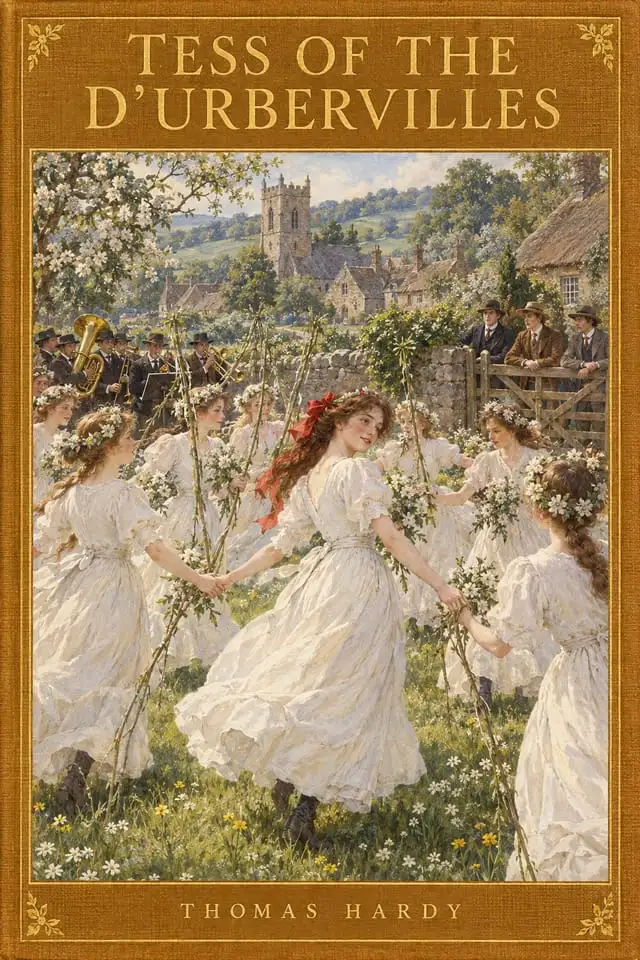
Tess of the d’Urbervilles Study Guide
A-level set textAQA A-level (Lit A)AQA A-level (Lit B)Edexcel A-levelOCR A-level
Notes cover the whole book.
Characters
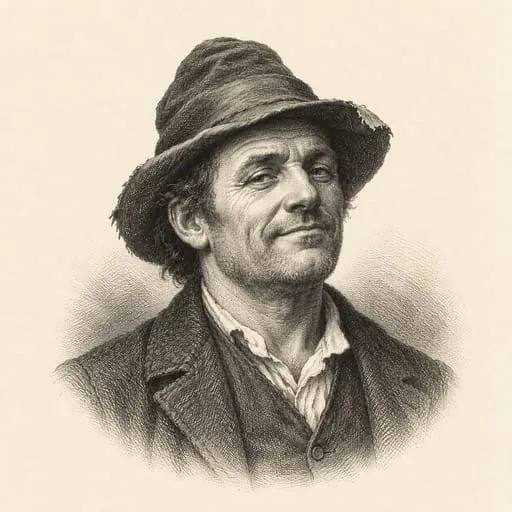
- John DurbeyfieldAfter proposing that antiquaries pay to maintain him as a living relic, he suddenly dies, ending the family's lease because his was its last surviving named life.First appears: Chapter 1
- Parson TringhamAn elderly clergyman and antiquary who has traced Durbeyfield's ancestry and doubts the wisdom of telling him about it.First appears: Chapter 1
- FredA local boy who objects to Durbeyfield's orders until a shilling persuades him to run errands and address him as Sir John.First appears: Chapter 1
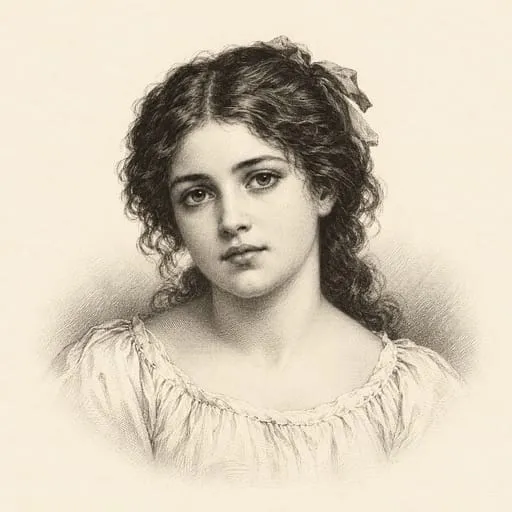
- Tess DurbeyfieldHer execution is signalled by the black flag above the prison while Angel and 'Liza-Lu watch from outside the city.First appears: Chapter 2
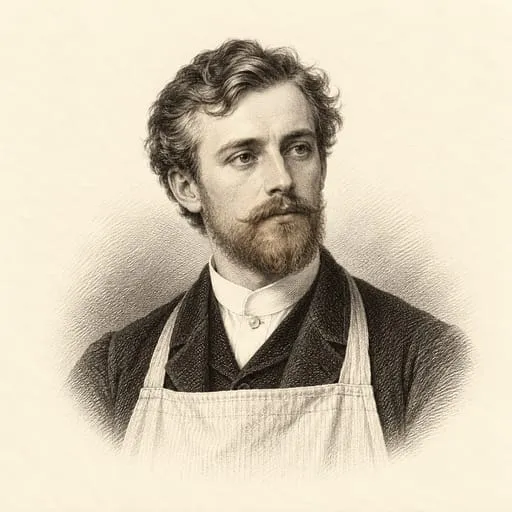
- Angel ClareHe watches the prison's black flag with 'Liza-Lu, bends to the ground in grief beside her and then walks on holding her hand.First appears: Chapter 2
- FelixStill a curate, he worries that farming is weakening Angel's intellectual and moral standards, while Angel finds his outlook confined by Church concerns.First appears: Chapter 2
- CuthbertAngel learns by telegram that he has proposed to Mercy Chant and been accepted.First appears: Chapter 2
- Joan DurbeyfieldNow housed and saying that the family is provided for, she reluctantly tells the distressed Angel that Tess is at Sandbourne without knowing her precise address.First appears: Chapter 3
- AbrahamHe accompanies Tess on the delivery, tells her about their mother's marriage plans and links Prince's death to Tess's idea of a blighted world.First appears: Chapter 3
- 'Liza-LuShe accompanies Angel away from the prison, watches the black flag with him and continues beside him in silent grief.First appears: Chapter 3
- HopeOne of Tess's younger sisters, younger than Abraham and older than Modesty.First appears: Chapter 3
- ModestyOne of Tess's younger sisters, younger than Hope and older than the two smallest boys.First appears: Chapter 3
- Mrs RolliverThe landlady who allows local customers to drink in an upstairs bedroom despite her off-licence and fears losing her licence if discovered.First appears: Chapter 4
- Mrs d'UrbervilleAlec reports that she has died and says that losing her was the strongest influence on his religious conversion.First appears: Chapter 4
- PrinceThe Durbeyfields' old working horse, killed in a collision with the mail-cart and buried in the garden, whose loss threatens the family's livelihood.First appears: Chapter 4
- Alec d'UrbervilleAfter Tess accuses him of cruel persuasion and leaves the house, he is found dead in bed with a knife wound that has reached his heart.First appears: Chapter 5
- Simon StokeAlec's deceased father, who made a fortune in trade and adopted the name d'Urberville while inventing ancestral connections for his family.First appears: Chapter 5
- ElizabethA servant at The Slopes who explains Mrs d'Urberville's blindness to Tess and helps carry the poultry to her mistress for inspection.First appears: Chapter 9
- Car DarchShe works with her sister as a skilled reed-drawer at Flintcomb-Ash and shows no recognition of Tess.First appears: Chapter 10
- Nancy DarchShe works alongside Car at Flintcomb-Ash, where the sisters look down on the less experienced reed-drawers and show no recognition of Tess.First appears: Chapter 10
- The text-painterAn artisan who helps carry Tess's basket while painting biblical warnings beside the road, but refuses to consider her question about wrongdoing she did not seek.First appears: Chapter 12
- The Reverend James ClareAfter welcoming the weakened Angel home, he confirms that Tess has requested no money and learns the reason for the separation, which awakens his religious compassion towards her.First appears: Chapter 12
- SorrowTess's frail baby son, whom she names and baptises herself before he dies and is buried in a neglected corner of the churchyard.First appears: Chapter 14
- The VicarThe new parish clergyman reassures Tess about her baptism of Sorrow but refuses the burial service, not knowing that her father was responsible for barring his visit.First appears: Chapter 14
- Dairyman CrickRichard Crick, the master-dairyman at Talbothays, welcomes Tess, milks the hardest cows himself and entertains the workers with a story about a fiddler and a bull.First appears: Chapter 17
- Mrs CrickShe considers Angel too genteel to eat at the household table and has him take breakfast in the chimney-corner.First appears: Chapter 17
- Jonathan KailHe brings the couple's luggage late to Wellbridge and explains the delay by reporting Retty's attempted drowning and Marian's drunkenness.First appears: Chapter 17
- Mrs ClareShocked by Angel's weakened condition, she initially dismisses Tess's importance through class prejudice but becomes tender towards her on learning the reason for their separation.First appears: Chapter 18
- Retty PriddleAccording to Izz, she was nervous, thin and hollow-cheeked when they last met.First appears: Chapter 19
- Deborah FyanderAn older milker whom Crick sharply tells to wash her hands before handling milk for the London customers.First appears: Chapter 20
- MarianHaving left Flintcomb-Ash with Izz, she helps write an anonymous warning to Angel about the pressure on Tess after they hear that he is returning.First appears: Chapter 21
- Izz HuettShe leaves Flintcomb-Ash with Marian and joins her in warning Angel that Tess needs protection from a pursuer presenting himself as a friend.First appears: Chapter 21
- Jack DollopAccording to Crick, he has married a widow for her income rather than the woman he had promised to marry, and the new marriage is miserable after he discovers the income has stopped.First appears: Chapter 21
- Beck KnibbsA married helper from a nearby cottage who defends the widow's concealment from Jack Dollop and jokes that she would answer his complaints with a rolling-pin.First appears: Chapter 22
- Mercy ChantA telegram from Angel's mother reports that she has accepted Cuthbert's proposal of marriage.First appears: Chapter 23
- Farmer GrobyHe orders the threshing to continue into the moonlight but offers to replace Tess at Alec's request if she wishes to join her visitor.First appears: Chapter 33
- Amby SeedlingA former helper at Talbothays who has followed Izz to Flintcomb-Ash and, according to her, says he has loved her for two years.First appears: Chapter 45
- The engine-manA travelling engineer who operates the steam engine powering the thresher and remains absorbed in his machinery rather than the surrounding agricultural life.First appears: Chapter 47
- Angel's travelling companionAn experienced English traveller who tells Angel he was wrong to leave Tess and then dies of fever, giving his words greater force in Angel's memory.First appears: Chapter 49
- Mrs BrooksThe landlady at The Herons, who spies on Tess's distress and fetches a workman after finding a red stain spreading across her ceiling.First appears: Chapter 55
- The workman at The HeronsA workman from a neighbouring villa who accompanies Mrs Brooks upstairs and discovers Alec dead in bed.First appears: Chapter 56
- The caretaker at Bramshurst CourtFinding Tess and Angel asleep, she mistakes them for a genteel eloping couple and goes to consult her neighbours.First appears: Chapter 57
Themes
- Class and ancestry
- Family duty and dependence
- Gender and marriage
- Nature and rural life
- Chance, guilt and responsibility
- Education and belief
Context
- Knighthood and baronetcy
- A knighthood is a personal honour, whereas a baronetcy is hereditary. Tringham explains this distinction, but Durbeyfield ignores it when he calls himself Sir John. Chapter 1
- Club-walking
- Here the women's club holds a procession followed by dancing, preserving an older May-day custom. The narrator stresses the rarity of a club made up entirely of women, a distinction the participants themselves overlook. Chapter 2
- Off-licence
- Permission to sell alcohol for drinking away from the premises. Rolliver's upstairs drinking room breaks this restriction, which explains the landlady's repeated warnings to be quiet. Chapter 4
- Prayerbook
- A book of set prayers and services used in church. Its written baptismal service lets Tess perform the rite herself, with her siblings giving the responses. Chapter 14
- Benedicite
- A hymn of praise calling on the natural world and human beings to bless God. Tess uses words learnt in church to express her joy in the landscape. Chapter 16
- Taking Orders
- Being ordained as a member of the clergy. Angel distinguishes affection for the Church from the belief he would need to serve honestly as one of its ministers. Chapter 18
- Hodge
- A stock name for a farm labourer, used here for the newspaper stereotype of an undifferentiated rural worker. Close acquaintance makes that stereotype inadequate for Angel. Chapter 18
- Artemis and Demeter
- Greek goddesses associated respectively with hunting and agriculture. Angel draws on classical learning to name Tess, while she prefers a name that belongs to her ordinary life. Chapter 20
- Conjuror
- Here a local practitioner credited with powers to diagnose illness or counter harmful magic. Crick considers consulting one while insisting he does not believe in him. Chapter 21
- Leah and Rachel
- In Genesis, Jacob marries Leah before he can marry Rachel, the woman he loves. Angel's comparison makes the other three girls a means of reaching his preferred companion. Chapter 23
- Evangelical
- A Protestant tradition emphasising the authority of the Bible and personal religious conversion. Mr Clare's commitment to converting others shapes his ministry. Chapter 25
- Skimming
- Removing the cream that has risen to the surface of milk. Tess's difficulty keeping the skimmer at the right depth makes her distress visible through a familiar skill. Chapter 27
- The milk train
- The railway carries the dairy's fresh milk to London for the next morning. The station makes the connection between rural production and distant consumption visible. Chapter 30
- Banns and licence
- Banns announce an intended church marriage publicly on three Sundays. A marriage licence allows the wedding to proceed without those announcements, which suits the couple's wish for privacy. Chapter 32
- Heirlooms
- Possessions intended to pass down through a family. Mr Clare's letter explains that Tess receives the use of the jewels for her lifetime under the terms of Angel's godmother's will. Chapter 34
- Turnpike-gate
- A barrier where travellers paid a toll to use a road. Its keeper's conversation gives Tess news of the public celebrations before she enters Marlott. Chapter 38
- Proverbs
- A biblical book of moral sayings and instruction. The passage read by Angel's father praises a wife for her work, care for her household and value beyond wealth. Chapter 39
- Reed-drawing
- The workers pull straight wheat straw from sheaves held in a press and cut off the ears with billhooks. Chapter 43
- Task work
- Tess is paid for the amount she completes, so resting reduces her own earnings. The farmer still demands greater output because he wants the barn cleared. Chapter 43
- The hiring fair
- Farm workers seeking a new place could arrange employment at a hiring fair. Here the Candlemas Fair offers engagements beginning at Lady-Day, when Tess's current agreement is due to end. Chapter 46
- Threshing
- Separating grain from the harvested stalks. The steam engine powers the drum, but workers must continually supply and untie the sheaves, so the machinery determines their pace. Chapter 47
- A lease for lives
- The family's right to occupy the property lasts for the lifetimes of named people. John is the last survivor named in this lease, so his death ends that right. Chapter 50
- Old Lady-Day
- The customary changeover for these farm agreements brings many households onto the roads at once. Families whose long holdings have ended may have to leave even when they have not chosen to change farms. Chapter 51
- Watering-place
- A resort visited for health or leisure, here a fashionable seaside town. Its villas and lodgings contrast with the agricultural work through which Angel expects to find Tess. Chapter 55
- The prison's black flag
- The flag signals that an execution has taken place. Tess's death reaches the reader through what Angel and 'Liza-Lu see rather than through a direct account of her final moments. Chapter 59
Chapter summaries
Chapter 1
Walking home to Marlott, the poor haggler John Durbeyfield asks why Parson Tringham keeps addressing him as Sir John. Tringham explains that his historical research has traced Durbeyfield's descent from the d'Urbervilles, a once powerful family. Although the family has grand tombs, Tringham makes clear that Durbeyfield has no ancestral estates and no right to call himself Sir John. Durbeyfield nevertheless adopts the title Sir John and starts ordering a local boy about. The boy's resistance disappears when Durbeyfield offers him one of his few shillings, showing how money secures the deference that ancestry alone cannot command. As Durbeyfield lies waiting for a carriage, he briefly imagines that the village band might be celebrating him, though it is playing for the women's club procession.
Chapter 2
A broad view of the sheltered Vale of Blackmoor leads into the women's club procession, which preserves an older May-day custom. The women wear white and carry flowers and willow wands, while Tess stands out through the red ribbon in her hair. She is embarrassed by her father's carriage ride but refuses to let her companions mock him. The narrator stresses that her appearance of womanhood still contains traces of childhood, which casual observers overlook. Three brothers of a higher social class watch the dancing, and the youngest, Angel, joins in despite Felix's concern about being seen. Angel chooses another girl almost at random, so Tess's ancestry brings her no advantage even in finding a partner. When he leaves, he notices her disappointment and regrets not dancing with her, but soon dismisses the matter from his mind.
Chapter 3
Tess eventually resumes dancing, but concern about her father brings her home to the washing, cradle and younger children. She feels guilty for enjoying herself while her mother works, although Joan does not reproach her. Joan celebrates their ancestry and reports that a doctor has warned of a serious problem with John's heart. Tess is alarmed to learn that he has gone drinking despite needing to deliver beehives early the next morning. Joan goes to fetch him, but the narrator explains that joining her husband at the inn is a welcome escape from childcare and work. The contrast between Joan's fortune-telling and Tess's schooling places different kinds of knowledge within the same household. While Tess takes responsibility for her siblings and then sets out to retrieve her parents, the narrator compares the dependent children to captives aboard a ship steered by unreliable adults.
Chapter 4
At Rolliver's, Joan proposes sending Tess to claim kinship with a wealthy d'Urberville at Trantridge, treating a shared name and a fortune-telling prediction as grounds for hope. Tess helps her unsteady father home, and the narrator explains that his weak constitution makes even a small amount of drink disabling. When John cannot make the early delivery, Tess volunteers to go with Abraham rather than ask a village lad for help and expose her father's condition. Abraham tells her about the marriage plan, and their conversation turns to her idea that they live on a blighted world where illness, drink and endless work are their lot. After settling Abraham to sleep, Tess falls asleep herself, and a mail-cart fatally wounds Prince in front of the unlit wagon, though the driver's promised help allows the delivery to continue. Tess accepts all the blame, although the narrator stresses that nobody else blames her as severely. John's refusal to sell Prince's body gives his pride a more affectionate expression, but the family's burial of its breadwinner makes the practical cost of the accident clear.
Chapter 5
Tess would rather earn money than ask strangers for help, but guilt over Prince's death makes her give way to Joan's plan. Her journey beyond her familiar valley stresses how little experience she has of the wider world despite her schooling and practical skills. The new wealth of The Slopes surprises her, and the narrator reveals that Simon Stoke adopted the d'Urberville surname and invented family connections. Tess's belief in inherited kinship therefore rests on information the reader knows to be false. Alec receives her as a pretty visitor, overriding her wish to take a strawberry in her own hand and surrounding her with gifts. When she tearfully describes Prince's death, he offers to find her a position with his mother, bringing her need to support the family into contact with his attraction to her.
Chapter 6
On the journey back, Tess hides some of Alec's roses after a passenger comments on them and interprets a thorn's accidental prick as an ill omen. At home, Joan reads an offer of poultry work as proof that the rich family means to recognise Tess as kin, although the letter promises only employment. Tess's unsuccessful search for work nearby narrows her alternatives, while Alec's reported praise briefly comforts her damaged self-esteem. Joan and John imagine marriage as a means of restoring family rank, and the children reproach Tess for hesitating. Tess explicitly connects her decision to replacing Prince and admits that she dislikes the prospect of Alec being there. Once she accepts, the thought of earning money steadies her, while her earlier hope of becoming a schoolteacher gives way to the new job.
Chapter 7
Tess prepares to leave in weekday clothes, but Joan takes charge of her appearance and dresses her to make an impression. The narrator stresses that the fuller hair and white frock make her look older than she is. John's farewell mixes affection with an offer to sell his supposed title, whose rapidly falling price exposes the weakness of his grand claims. Joan and the children accompany Tess to the hill, where Alec's arrival in a smart vehicle delights her mother but gives Tess misgivings. Tess looks back at her family before getting in, and the narrator suggests that guilt over Prince may help explain her decision. Once she has gone, the children's excitement becomes grief, and Joan acknowledges that she failed to investigate Alec's character, before reassuring herself again with Tess's beauty.
Chapter 8
Tess's fear of vehicles since Prince's death makes Alec's reckless driving particularly distressing. He first induces her to hold his waist, then makes slowing down conditional on a kiss. Her attempt to dodge him brings a threat to break both their necks, and her appeal to him as a protective kinsman is dismissed. He kisses her despite her clear refusal, then resents her instinctive act of wiping her cheek. Tess uses the chance to retrieve her fallen hat to leave the dogcart and refuses to remount, resisting his anger and an attempt to hem her against the hedge. Although he promises not to kiss her again against her will, she walks on beside the vehicle, weighing her distrust against the difficulty of returning home and abandoning the family's plan.
Chapter 9
The poultry occupy a former family cottage, and the descendants of its earlier inhabitants resent seeing their old home turned over to birds. Tess meets Mrs d'Urberville and discovers both her blindness and her detailed, affectionate knowledge of each bird. The narrator explains that Mrs d'Urberville knows nothing of the supposed kinship and that her resentment towards Alec coexists with love. Ordered to teach tunes to the bullfinches, Tess practises in the walled garden, where Alec watches her and offers a lesson from behind the wire-netting. He keeps his distance during the lesson and encourages her to seek help from him rather than the bailiff. Over the following days, his cultivated familiarity reduces her shyness without creating romantic attachment, while her employment increases his influence over her. She enjoys whistling to the birds without Alec beside her, but a possible glimpse of boots beneath the bedroom curtains makes her suspect a hidden watcher and search there on later mornings.
Chapter 10
Saturday visits to Chaseborough give Tess a welcome break from her poultry work, but she relies on her fellow workers for company on the unfamiliar road home. On a September fair day, their prolonged dancing keeps her waiting late, and she declines Alec's offer of a hired vehicle because she still distrusts him. The narrator describes the dusty dancers through mythic comparisons, then reveals their ordinary faces as they reach the doorway. On the walk back, Tess is troubled by the group's drunkenness, which recalls painful experiences at home. When Car Darch tries to rub spilled treacle off her gown on the grass, Tess joins the laughter, and Car's existing jealousy over Alec turns into a challenge to fight. Tess refuses and insults the group, drawing further abuse, before accepting a ride behind Alec in an impulse of anger and triumph over her attackers. The remaining walkers leave under moonlight, each able to see a halo around only their own head-shadow, an image that invites questions about how people see themselves.
Chapter 11
Tess tells Alec that she does not love him and that her position prevents her from freely objecting to his attentions. Exhaustion makes her drowsy, and he turns her resistance to being held into a demand that she show trust in him. He has deliberately prolonged their ride, though his eventual uncertainty about their whereabouts is genuine. When Tess insists on dismounting, he leaves her among the leaves while he searches for the road. His announcement that he has given her father a horse and the children toys makes her painfully aware of obligations she does not want. He returns to find her sleeping with tears still on her eyelashes, and the narration moves from his approach to questions about the failure of divine protection. The act that follows is left unnarrated, while the narrator calls its outcome a catastrophe and rejects ancestral wrongdoing as a justification for Tess's suffering.
Chapter 12
Several weeks after the night in The Chase, Tess leaves Trantridge on foot and is overtaken by Alec, who drives her part of the way home. The journey reverses their earlier drive, but Tess now meets him with numbness interrupted by grief and anger. He admits doing wrong while treating money and comfort as possible compensation, and she refuses further gifts because they would keep her dependent on him. She refuses to claim that she has ever loved him, even though she thinks such a lie might benefit her. A stranger's painted biblical warnings seem to accuse her personally, and he refuses to consider her question about a sin she did not seek. Joan greets her return with hopes of marriage, then blames her for failing to help the family by securing Alec as a husband. Tess challenges the lack of warning before she left home, and Joan admits that she feared such advice would make her too shy of Alec.
Chapter 13
Tess's former schoolfellows visit in admiration of what they suppose to be a successful courtship. Joan enjoys the attention despite its cost to her daughter's reputation, and Tess briefly catches the visitors' excitement before shame and depression return. A later visit to church offers the comfort of familiar music, whose emotional power moves her deeply. When other worshippers notice her and whisper, she feels unable to attend again and retreats to the bedroom she shares with the children. Evening walks give her relief from human observation, but she reads the wind and rain as expressions of blame and grief. The narrator calls these moral fears a mistaken creation of her imagination and distinguishes the social law imposed on her from the natural world, with which she remains in harmony.
Chapter 14
The harvest begins with a bright sunrise, but the reaper's destruction of the animals' shrinking shelter introduces violence into the fertile scene. Tess has returned to field work for its better pay and the hope of recovering independence after her long seclusion. She nurses her baby during the break, and her movements between apparent indifference and fierce affection reveal the strain of her situation. The narrator questions how much others really dwell on her troubles, while her companions' friendliness helps her rejoin their company despite their teasing. At home she finds her baby dangerously ill, and her father's wounded family pride prevents a parson's visit, leaving her terrified that the unbaptised child will be damned. She performs the baptism herself with her siblings assisting, names the baby Sorrow and finds a calm that survives his death the next morning. The Vicar accepts her baptism as valid but refuses the burial service, mistakenly believing Tess herself barred his visit, and Tess honours the child's neglected grave with a handmade cross and flowers.
Chapter 15
The narrator questions the usefulness of experience gained only after the chance to act on it has passed. Tess works at home through the winter, uses clothing Alec had given her to make clothes for her siblings and refuses to ask him for help. Thinking about the dates of the night in The Chase, her baby's birth and death, and her own eventual death makes her increasingly reflective. The narrator insists that these experiences have not corrupted her, while Tess hopes that leaving familiar surroundings will let her escape the past's hold. Spring growth strengthens her desire to move, and an offer of summer dairy work at Talbothays provides an opportunity. She resolves to abandon dreams of advancement through the d'Urberville name, yet remains interested in the nearby ancestral estates, and renewed youth brings hope alongside that inconsistency.
Chapter 16
Now twenty, Tess leaves home for the second time, feeling regret as well as eagerness to begin again. Passing near Kingsbere, she rejects pride in her father's ancestors and reminds herself that her mother was a dairymaid. The larger fields, numerous cattle and clear river distinguish the new valley from Blackmoor and help her imagine a fresh beginning. Relief from hostile observation lets her hope grow, and she chants words of praise remembered from church before questioning how well she knows God. The narrator connects her recovery to the resilience of living things and directly challenges the idea that betrayed women cannot regain an interest in life. Yet the comparison of Tess to a fly on a billiard-table also makes her small beside the landscape, whose daily work continues independently of her arrival.
Chapter 17
Crick receives Tess warmly, asks about her milking skills and offers refreshment, but she chooses to start work immediately. The practical rhythm of milking calms her and gives her a sense of security. When the cows yield less milk than expected, the workers discuss possible causes and sing to encourage them, before Crick tells a story about a fiddler escaping a bull. A hidden milker's educated comment and the respectful way others address him draw Tess's attention to his difference from the workers. When he stands up, she recognises the young man who danced with other girls at Marlott and briefly fears that he might discover her history. His lack of recognition reassures her, and later a dairymaid explains that Angel is a gentleman-born pupil whose father and brothers are clergymen.
Chapter 18
The narrative turns back to explain why Angel, unlike his brothers, has neither a university degree nor a place in the Church. He respects the Church's history but cannot honestly accept its doctrines, while his father sees university primarily as preparation for ordination. Reluctant to misuse his parents' sacrifices, Angel abandons Cambridge and eventually chooses farming as a means of supporting intellectual independence. At Talbothays, sharing meals and daily life replaces his stereotype of farm workers with an appreciation of distinct people. Mrs Crick still marks his higher status by seating him apart at breakfast. Tess's account of gazing at a star until she feels separated from her body catches his interest, but his description of her as virginal reveals an ideal based on limited knowledge. He senses that they have met before without recalling the occasion or asking about it.
Chapter 19
Tess tries to follow Crick's rule of taking the cows in turn, but discovers that Angel has been arranging for her preferred animals to reach her. His consideration makes her self-conscious, and she later approaches him unseen to listen to his harp in the overgrown garden. Music, colour and touch blend in the account of her intense response, although the narrator calls the performance technically poor. When they talk, Tess's fears about life surprise Angel, while she cannot understand why someone with his advantages should share them. His education makes her feel inferior, yet her question about justice reaches beyond the historical instruction he offers. Wanting his respect, she thinks of disclosing her ancestry, but Crick's exaggerated account of his hostility to old families persuades her to keep silent.
Chapter 20
The flourishing summer landscape accompanies Tess and Angel's growing attraction, which the narrator compares to two converging streams. Tess feels well suited to her new life, and the image of a transplanted sapling presents her happiness as recovery in better conditions. She often wakes the household at three, then meets Angel outside before the others appear. Their shared work creates a sense of being alone in the world, and the uncertain dawn light makes her seem almost supernatural to him. He gives her the names of goddesses, which she does not understand, but agrees to use her own name when she asks. Increasing daylight changes her in his eyes from a figure capable of granting happiness to a woman who needs it herself. Crick's complaints about lateness and dirty hands, followed by the sound of the breakfast table being moved, return the scene to the working household.
Chapter 21
The failure of the butter to form brings dairy work to a halt and prompts discussion of conjurors and the supposed effects of love on butter-making. Crick tells how a deceived woman's mother forced Jack Dollop to promise amends by turning the churn with him inside it. The listeners find the story amusing, but Tess hears the woman's suffering and withdraws, leaving the others unaware of her distress. The evening sun becomes an image of injury as her mood alters her experience of the landscape. In their shared bedroom, Marian, Izz and Retty confess their feelings for Angel, acknowledge his preference for Tess and doubt that a gentleman's son would marry any of them. Tess feels little jealousy but wonders whether she is wrong to accept his attention when she believes she cannot conscientiously marry anyone.
Chapter 22
Crick identifies garlic as the source of a bad taste in the butter, recalling that he once mistook the same problem for witchcraft. The whole workforce searches the pasture with knives, finding very few shoots despite the weed's powerful effect. Their bent bodies look uniform to a distant observer, although the narrator stresses their different personalities. Angel deliberately works beside Tess, and their physical closeness makes their restrained conversation seem inadequate. Acting on the previous night's resolve, Tess praises Izz and Retty as attractive, capable dairywomen before withdrawing to leave Angel looking at them. She subsequently avoids his company and admires what she takes to be his restraint towards her friends, though the narrator leaves open whether she is right to attribute it to a sense of duty.
Chapter 23
Heavy rain leaves the lane impassable for the dairymaids in their Sunday clothes, and Angel offers to carry them through the water. Each girl longs for his attention, but he privately tells Tess that helping the others was chiefly a way of reaching her. He restrains an impulse towards greater intimacy when he recognises that their position gives him an unfair advantage. The friends see his preference clearly but do not blame Tess, and the narrator connects their generosity with the fatalism of their country upbringing. Tess admits her love to herself while promising Retty that she would refuse him, as she would any man. Their bedroom conversation exposes painful, unwanted desire beneath the cheerful dairy routine, with the narrator describing nature as a force that imposes suffering. When they repeat a rumour about a prospective wife of his own rank, Tess takes it as proof that his attraction to her has no serious purpose.
Chapter 24
The oppressive heat and fertility of the valley accompany the growing force of Angel's feelings. Watching Tess milk behind a hedge, he concentrates on her physical warmth and the human imperfection that makes her face attractive to him. His gaze turns her into a closely studied image, while his involuntary sneeze briefly makes his passion comic and bodily. He abandons restraint and embraces her, and she responds with immediate joy before anxiety returns. He stops short of kissing her, apologises for not asking and expresses concern that he has taken advantage of her defenceless position. Both resume milking before Crick arrives, leaving an outwardly ordinary working scene after a change of great private importance.
Chapter 25
Angel recognises that Tess's life matters as fully to her as his does to him, so her affection cannot responsibly be treated as a passing amusement. He tries to keep away from her while considering marriage, then visits his family to explore the question. His departure darkens the dairymaids' day, and Crick's practical estimate of his remaining time gives them little comfort. Near home he sees Mercy Chant and avoids greeting her, although his parents hope he will marry her. His father's fixed religious beliefs sit beside genuine kindness, while his brothers' fashionable conformity and limited outlook sharpen his sense of estrangement. Felix's suggestion that farming threatens Angel's intellectual standards provokes a direct challenge to his own dogmatism. The parents' decision to give away the black-puddings and reserve the mead for medicine reveals both their self-denial and the awkwardness of carrying the Cricks' hospitality into a household governed by different principles.
Chapter 26
Mr Clare's savings for Angel show practical care for a son whose career has disappointed his religious hopes. Their discussion of marriage sets the father's demand for Christian faith against Angel's emphasis on farming skills, while Mrs Clare raises questions of class and accomplishments. Angel presents Tess as devout and chaste, using an idealised account of her to make his choice acceptable to his parents. They agree to meet her without giving unqualified approval, and he recognises that his arguments about skills, education and faith do not capture his love for her herself. He leaves without mentioning Tess to his brothers, still feeling estranged from them. His father's account of the young d'Urberville's public insults shows a religious commitment that endures humiliation without resentment. Angel rejects his father's doctrine but increasingly respects his practice, including his lack of concern about a prospective daughter-in-law's money.
Chapter 27
Returning from his family, Angel experiences the dairy's freedom as relief from constraint. He finds Tess just awake from her afternoon sleep, and their affectionate reunion takes place amid the ordinary demands of dairy work. He presents his proposal as a practical choice of a wife with farming skills, hoping to show that it is more than an impulse. Tess refuses despite declaring her love, using his parents' social expectations to avoid explaining her real difficulty. Her uncertain replies about religion reassure Angel that his father could accept her, and he chooses not to disturb beliefs he regards as confused. When he recounts his father's confrontation with the young man at Trantridge, her past returns painfully to her, but his absorption in his father prevents him from noticing her changed expression.
Chapter 28
Angel's limited experience leads him to treat Tess's refusal as a possible prelude to acceptance. She welcomes his love but insists that refusing marriage protects him, while he mistakes her difficulty for doubts about her social accomplishments and praises her knowledge. Her apparently calm refusals conceal private grief and a struggle between affection and conscience. During cheese-making his kiss and renewed proposal bring that struggle close to breaking point, and his accusation of flirtation wounds her. She promises to tell him her experiences on Sunday, but his comparison of her to a newly opened flower shows how little experience he imagines she possesses. Hiding among the willows, she recognises the temptation to marry without disclosure, and by Saturday night her jealousy strengthens her fear that she will agree.
Chapter 29
Crick reports that Jack Dollop married a widow for an income which stopped on her remarriage, and the household offers conflicting judgements about her silence. Tess hears a painful version of her own difficulty in a story the others treat as entertainment. It gives her strength to refuse Angel again, and his decision to release her and withhold a kiss allows the refusal to stand. In the following weeks he renews his verbal persuasion, interpreting her hesitation as coyness rather than a serious obstacle. He later breaks his resolve against kissing her before she agrees, showing the instability of his restraint. When he imagines their lives as more emotionally troubled than those of her friends, Tess corrects him and again presents the other women as possible wives. The working day's urgent milk delivery gives the pair another opportunity to be alone.
Chapter 30
Rain brings Tess and Angel together under a shared sailcloth as they take the milk to the railway. The train connects the dairy with distant customers, whose ignorance of the workers and their labour occupies Tess's thoughts. When Angel returns to his proposal, she repeatedly tries to introduce her history, but his reassurance and her fear divert the conversation into her ancestry. He rejects inherited rank in principle while welcoming the social advantage that her family name may bring, exposing a compromise in his independence from convention. The narrator explicitly states that Tess has not told him what she intended, although he believes the secret is out. She accepts his proposal and passionately confirms her love, but her sobbing also expresses distress at abandoning her vow. Her wish to write to her mother and her recollection of the missed dance leave joy mixed with unease.
Chapter 31
Joan's letter treats silence as protection, says the trouble was not Tess's fault and reminds her of a promise not to reveal it. Relieved of sole responsibility for the decision, Tess enjoys a period of intense happiness and idealises Angel beyond the narrator's more qualified account of him. Their autumn walks show both their closeness and Angel's continuing willingness to use her ancestry to answer social objections. When he presses for an early wedding, she hesitates, and the household's return interrupts the discussion before any date is fixed. His announcement astonishes the other dairymaids, who had loved him without expecting marriage. Their embrace, reassurance and admission that they cannot hate Tess contrast with her belief that they would be better wives. Moved by their generosity, she resolves to tell Angel everything because silence now feels wrong towards him and towards them.
Chapter 32
Tess wants the engagement to continue unchanged, but sees the seasonal decline in dairy work as forcing her to choose between marriage and finding work away from Angel. His pleasure in this pressure contrasts with her distress at feeling unwanted. After fixing the date, she becomes increasingly passive, although her unanswered letter to Joan shows that the question of disclosure remains unresolved. The narrator qualifies Angel's practical arguments for haste by describing his idealised love, uncertain career and resentment of his family's influence. His choice of a former d'Urberville house at Wellbridge similarly lets sentiment about ancestry decide an apparently practical question. A licence reassures Tess that the wedding arrangements are secure while leaving her uneasy about avoiding public banns. Her pleasure in his gift of clothing gives way to the remembered ballad's fear that a bride's past can be exposed by what she wears.
Chapter 33
Angel strikes a man who insults Tess during their Christmas Eve outing, then pays him after accepting his claim of mistaken identity. The reader hears the man's private admission that he did recognise her, leaving Angel unaware of the threat Tess feels from her past. Her written disclosure seems to offer a way past her inability to speak, but a misplaced envelope makes his unchanged affection look like possible forgiveness. Finding the letter unread on the wedding morning, she destroys it, and Angel postpones her renewed attempt to confess until after the ceremony. His family's absence and his hope of later presenting Tess as an accomplished d'Urberville expose the class concerns surrounding his romantic independence. The wedding brings intense joy and devotion, yet Tess fears that his beloved image does not represent her actual self. Her request that he kiss her friends goodbye unintentionally increases their pain, while the coach story and the cock's crow give the departure an atmosphere of apprehension.
Chapter 34
The couple's pleasure in having the farmhouse to themselves is disturbed by ancestral portraits whose threatening faces make Angel regret his choice of lodgings. His playful enjoyment of married intimacy sits beside Tess's preoccupation, even as he privately recognises how much her welfare now depends on his conduct. The inherited jewels briefly turn her into the fashionable beauty he admires, and she hopes that wearing them may help her make her disclosure. Jonathan's account of Retty's attempted drowning and Marian's drunkenness makes her feel that she cannot accept happiness without telling the truth. Angel then confesses a brief involvement with a stranger in London and admits that fear of losing Tess led him to delay speaking. She readily forgives him and takes the apparent likeness between their situations as grounds for expecting forgiveness herself. The chapter ends as she begins her history, with their hands joined but the firelight and jewels described in increasingly threatening terms.
Chapter 35
Tess finishes her account without excuses or tears, while the familiar room appears indifferent to the collapse of her hopes. Angel remembers preventing her earlier attempt to speak, but treats the disclosure as a change in her identity rather than something forgiveness can resolve. Her appeal to the forgiveness she has already given him exposes the unequal standards governing their responses. During their walk she insists that her love and character have not changed, and he admits that she was more wronged than wronging without restoring their intimacy. When she challenges his dismissal of her as a peasant, he turns the ancestry he once prized into a supposed explanation of weak character. Her desperate offer to die gives way to obedience when he directs her home, where the mistletoe over the bed becomes a painful remnant of his earlier joy. He later checks that she is sleeping but withdraws at the sight of an ancestral portrait, while the narrator explicitly calls his judgement of her heart erroneous.
Chapter 36
Angel makes breakfast, but the couple's outward civility cannot restore their former closeness. His claim that he expected rustic innocence from a wife without social advantages reveals the assumptions behind his choice of Tess. She discovers that divorce is not the escape she imagined, then confesses that she stopped short of hanging herself to free him and promises not to harm herself. She turns to domestic work, and he insists that she is his wife rather than his servant, yet later turns aside when she offers him a kiss. He argues that Alec is her husband in nature and that knowledge of her past would expose their children to taunts, persuading her to abandon her hope that continued closeness will change him. The narrator questions the necessity of those imagined reproaches and the rigidity of Angel's idealism, while the couple pack for a separation whose duration remains uncertain.
Chapter 37
Angel's sleepwalking releases the tenderness he withholds when awake, although he speaks as if Tess were dead. She values this recognition so deeply that she submits to the danger of being carried across a narrow plank over the river and imagines death together as preferable to separation. Her refusal to endanger his life by deliberately making them fall sets a limit to that despair. Once he lays her in an abbot's empty coffin and falls asleep nearby, she takes practical control, leading him home and warming him. She conceals the episode to spare his pride, while his unchanged resolve the next morning shows the limits of tenderness he does not consciously acknowledge. Their visit to Talbothays preserves the appearance of unity amid a winter landscape emptied of its summer warmth. At the crossroads his terms leave the possibility of reunion under his control, and she accepts them before they part in continuing anguish.
Chapter 38
The turnpike-keeper's account of the family's wedding celebrations makes Tess ashamed to arrive publicly without her husband. Her mother's familiar washing work offers a setting for the disclosure, but Joan responds by blaming her for speaking against her advice. Although she regrets marrying before telling him, Tess insists that she would still make the confession rather than deceive him. Upstairs, the reassignment of her bed makes her loss of a secure place in the household concrete, and overhearing her father's doubt about the marriage deepens her isolation. John's concern centres on the neighbours' judgement of his hoped-for recovery of rank, while Joan gradually treats the disaster as another accident to endure. Tess uses Angel's brief letter and a gift of twenty-five pounds to maintain the appearance of a prosperous marriage, leaving her parents with a mistaken impression of reconciliation.
Chapter 39
Angel finds that philosophical and religious advice about remaining calm cannot relieve his distress, and his farming plans lose direction. He alternates between blaming Tess's ancestry and wondering whether he has treated her unfairly. An advertisement for farming in Brazil offers both a new undertaking and the hope that different conventions might eventually make life with Tess possible. At Emminster he explains her absence without revealing its cause and repeatedly reassures his mother about her purity. The household's reading from Proverbs praises the labour and care of a virtuous wife, making the absent Tess painfully present to him. The narrator finally rejects his limited assessment, arguing that Tess's moral worth lies in her disposition towards good and that his apparent independence gives way to inherited convention.
Chapter 40
Angel's provocative religious talk with Mercy Chant ends in an admission of his own distress rather than an exchange of settled convictions. He deposits the jewels and money for Tess but keeps her address from his parents, limiting direct contact between them. Returning to Wellbridge revives affectionate memories and doubts about his generosity, although he again blames the lateness of Tess's disclosure. When Izz appears, he offers her a lift, learns of her continued love and invites her to share his life in Brazil without a promise of marriage or love. Her honest acknowledgement that Tess would have died for him moves him to withdraw the invitation, leaving Izz devastated by an offer she had taken seriously. Izz forgives him, and he acknowledges that her honesty has saved him from treachery, but his sorrow after leaving her is for Tess. He nearly changes direction to seek his wife, but the belief that his original reasons still hold and the momentum of his plans carry him onwards towards Brazil.
Chapter 41
Tess has supported herself through irregular dairy and harvest work, but wet weather and the end of seasonal employment reduce her resources. Her mother's request for money to repair the family home absorbs most of a further payment from Angel, while shame on his account prevents her from asking his parents for help. She avoids Talbothays for fear of pity and gossip and travels towards the upland farm recommended by Marian. The narrator reveals that Angel is ill with fever in Brazil, complicating Tess's imagined contrast between his warm surroundings and her own exposure. When the man Angel struck at the inn recognises her and demands an apology, she runs into a plantation and spends a despairing night among the leaves. Finding pheasants wounded by a shooting-party, she breaks their necks out of compassion and feels ashamed of having considered herself the most miserable creature alive. The closing distinction between social law and Nature challenges the condemnation behind her despair, while the account of supposedly civil sportsmen exposes respectable cruelty.
Chapter 42
The wounded birds have helped Tess reconsider her suffering, but she still cannot dismiss social opinion while Angel shares it. Men's unwanted compliments lead her to disguise her appearance, although a stranger's resulting insult hurts her. Failed applications for lighter work gradually narrow her choices to the rough field labour she hoped to avoid. At Flintcomb-Ash a cottage wall warmed by the fire inside briefly offers comfort before she meets Marian. Tess keeps her wedding-ring on a ribbon and asks to be called by her old name, concealing her marriage while continuing to defend Angel. Marian helps her obtain an agreement lasting until Old Lady-Day, and the narrator identifies women's cheaper labour as the reason the farm readily hires her. The lodging offers winter shelter, but her letter home hides the poverty of her situation for fear of bringing reproach on her husband.
Chapter 43
Working through driving rain and frost, Tess and Marian sustain themselves with memories of Talbothays, while Marian also relies on drink. Snow moves the women into the barn, where Izz joins them alongside the two skilled Darch sisters, who show no recognition of Tess. The farmer proves to be the man Angel struck at the inn, and he presents Tess's contract as a chance to get the better of her. She refuses his demand for an apology, but the hard work and renewed discussion of her separation overcome her strength. Marian and Izz help cover her work when she rests, and Tess later offers to complete Izz's share when Izz too becomes exhausted. Marian then reveals Angel's invitation to Izz, which Tess first tries to dismiss as a joke before blaming herself for writing too seldom. Alone that evening, she cannot finish her urgent letter and wears her ring on her finger through the night to strengthen her sense of being Angel's wife.
Chapter 44
Troubled by Angel's silence and Marian's disclosure, Tess makes a long Sunday walk to Emminster in the hope of winning his parents' sympathy. When nobody answers the Vicarage bell, she first fears rejection, then remembers that the entire household attends church. As she withdraws to wait, she overhears Angel's brothers disparaging his marriage to a dairymaid and preferring Mercy Chant. Cuthbert finds Tess's hidden walking-boots, which she has worn to spare the finer pair Angel bought her, and Mercy takes them away after inventing a story about a dishonest beggar. Tess treats these encounters as grounds for abandoning the visit, although the narrator distinguishes the parents' charity from their sons' manner and says her distress would have won their sympathy. Returning tired and disappointed, she stops in Evershead and hears a barn preacher describing a religious awakening brought about by a clergyman he once insulted. She recognises the voice and then sees that the preacher is Alec, placing his claim of spiritual change beside her painful knowledge of him.
Chapter 45
Tess is disturbed by Alec's preaching, whose religious intensity resembles the force of his former desires despite the change in its purpose. He follows her and explains how Mr Clare's words and his mother's death led to his conversion. Tess challenges a religion that seems to offer heavenly pleasure to men who have made women's earthly lives miserable. His warnings about the power of her appearance revive her feeling that merely having a body makes her guilty. After learning about their child, he insists that she swear not to tempt him on a stone he calls a former Holy Cross. The narrator gives competing accounts of the stone, and a shepherd's later story about a punished criminal unsettles Tess without establishing a single certain history. Near her lodging she meets Izz, who tactfully turns from Tess's disappointing journey to her own unenthusiastic account of Amby Seedling's courtship.
Chapter 46
Finding Tess cutting swedes, Alec acknowledges his responsibility for her earlier suffering and offers marriage, supported by a licence he has already obtained. Her refusal and disclosure of her marriage expose how his wish to repair the wrong is mixed with renewed desire. She defends Angel's absence and asks Alec to leave, preferring even Groby's hostility to the danger of unwanted love. Groby's insistence on her contract briefly makes Alec's wealth seem a possible escape from dependence, but her aversion to him remains decisive and another letter to Angel goes unfinished. Tess stays behind when most workers attend the hiring fair, and Alec visits her lodging instead of keeping his promise to preach at the fair. She repeats Angel's religious arguments with confidence in his authority rather than full understanding, while Alec admits that desire has diverted him from his ministry and calls her his temptation. The narrator shows those arguments continuing to trouble Alec after he leaves, and he imagines that Angel's teaching may help him regain access to Tess.
Chapter 47
Groby places Tess beside the thresher's feeder, where she cannot pause while the drum runs and has little chance to speak with the other workers. The engine and its solitary attendant bring a form of industrial power into the agricultural landscape, while Marian's occasional help offers limited relief. Alec arrives in fashionable clothes and climbs onto the rick to join Tess after she decides to eat there to avoid him. He says he has abandoned preaching and blames her for redirecting his feelings, although she has not sought his attention. Against his refusal of responsibility without religious rewards or punishments, Tess argues that loving kindness and purity remain possible without dogma. His offer of escape from work becomes pressure to abandon Angel, and her answering blow with a glove briefly turns resistance into physical action. Her expectation of punishment and his threat of renewed mastery expose the power behind his declarations of affection, after which the restarting machine draws her back into mechanical repetition.
Chapter 48
Groby orders work to continue by moonlight, and the thresher's consuming motion reduces Tess to near-unconscious repetition. As the stack falls, Marian and Izz can no longer change places with her, and fear of Alec makes losing her employment more frightening than before. She refuses Groby's offer to release her to join Alec and continues until the last sheaf is untied amid the rat-catching. Exhausted, she allows Alec to walk home with her but distinguishes gratitude for kindness from anger at any other intention, admitting that she cannot always understand him. His offer to provide for her parents and siblings touches her family loyalties, but she finally refuses all support from him. In her letter to Angel she accepts his punishment as deserved while also insisting that she remains the woman he loved. Her willingness to live as his servant shows how much she will surrender for reunion, while her repeated demands for his return or permission to join him make the letter an appeal for immediate safety as well as affection.
Chapter 49
Angel's parents forward Tess's letter, and Mrs Clare argues that denying him a university education was unfair, although his father still defends the decision on religious grounds. In Brazil, illness and the suffering of other emigrants have undermined Angel's hopes of farming and changed his sense of what matters. He begins to judge character through intention rather than outward events, and an experienced English traveller plainly tells him that leaving Tess was wrong. The traveller's death strengthens his advice, and Izz's remembered testimony reinforces Angel's renewed love, although he still invests Tess's ancestry with romantic value. The narrator exposes a failure of communication: Tess's obedience to his instructions produces a silence he misinterprets. Unaware of his changed feelings, Tess practises his favourite songs until 'Liza-Lu's arrival turns her attention to the family emergency. She leaves before her agreement ends, placing immediate care for her mother above the risk of trouble with her employer.
Chapter 50
Tess's long night walk brings her back to a home she experiences as part of her own identity. Caring for her mother and siblings draws her attention away from her personal distress, while her father imagines receiving money from antiquaries for his ancestry. With her mother improving, Tess obtains replacement seed potatoes and takes on the allotment, finding relief in physical work. The smoke and shifting firelight conceal Alec until he is digging close beside her. His joking comparison with the temptation of Eve gives a sinister edge to his claims of friendly concern. He appeals to her anxiety for the children, but she refuses his support and tells him that her father knows they are unrelated. Her father's sudden death reverses the family's expectations about which parent would survive and ends the lease that protected their home.
Chapter 51
The account of annual farm removals widens into an explanation of how the loss of independent cottages forces families out of rural communities. The demand for the Durbeyfields' house combines economic interests with claims to protect village morality, and Tess blames herself after her care for her baby's grave exposes her return. Alec tells the uncertain legend of the d'Urberville Coach, then offers his garden-house and schooling for the children. He insists that Angel will never return, but Tess refuses and questions how secure her family would be if Alec changed his mind. A new sense of injustice leads her to accuse Angel directly in a posted letter, arguing that she never intended to wrong him. The children's hymn promises reunion in heaven, but Tess cannot share their certainty and feels obliged to become their practical protector. She postpones telling Joan about Alec's offer until they have reached Kingsbere.
Chapter 52
The Durbeyfields must pay for their own move because no farmer is waiting to employ and transport them. Their worn wagon contrasts with the well-equipped one carrying Marian and Izz, who have also left Flintcomb-Ash. At Kingsbere a messenger explains that Joan's letter arrived too late to secure the rooms, and an unsuccessful search leaves the household goods exposed beside the church. Joan makes a shelter from the family bed under the d'Urberville Window, bringing inherited distinction into direct contact with homelessness. Inside the church, Alec startles Tess by occupying the place of an effigy and claims that his money can help her more than all her ancestors. She tells him to leave, and after his threatening parting words she wishes she were on the other side of the burial-vault door. A month later, Marian and Izz act on their concern by sending Angel an anonymous warning, putting Tess's welfare ahead of their own disappointed love for him.
Chapter 53
Angel's homecoming exposes the physical cost of his time abroad, shocking his parents and bringing on an attack of faintness. Reading Tess's angry letter, he accepts her charge of injustice and fears that she may no longer want reconciliation. He challenges his mother's class-based dismissal of Tess, although his defence also returns to the prestige of her ancestry. Worried about arriving unannounced, he writes to Marlott and receives Joan's guarded reply saying that Tess is elsewhere. When no further letter comes, he chooses to trust the love expressed in Tess's earlier appeal over her later anger and decides to seek her. Learning that she never requested money makes him realise that she has suffered privation, while his parents' new knowledge of the separation awakens compassion through their religious concern for people they regard as sinners. He reads Marian and Izz's warning as he packs, adding another account of Tess's need to the letters he has already read.
Chapter 54
Angel follows Tess's former route through places the reader associates with her disappointed hopes and Alec's pressure. At Flintcomb-Ash he learns about her hardship and the fact that she has not used his surname, while the farmer treats him with a courtesy denied to her. The thin covering of spring greenery reflects his uncertain expectations rather than promising an uncomplicated renewal. At Marlott he resents the new occupants' ordinary lives and even the birds' apparent indifference to Tess's absence. John's grand ancestral inscription stands above an unpaid bill, which Angel settles, exposing the distance between family prestige and material resources. Joan initially discourages the search and admits that she has never really known her daughter, but Angel's distress finally moves her to name Sandbourne. Her assurance that the family is provided for leaves him without an explanation, and he continues his search by train.
Chapter 55
Sandbourne's fashionable villas beside ancient waste ground place Tess in surroundings Angel cannot reconcile with his image of a working dairymaid. He repeatedly interprets unfamiliar signs through assumptions, imagining first that she is a servant and then that she has sold the inherited jewels. When she appears in expensive clothing, he mistakes her refusal to approach for dislike of his altered appearance. His admission that he failed to see her rightly meets her repeated insistence that reunion has come too late. Tess explains that Alec's help after her father's death and his claims about Angel's permanent absence overcame her resistance. Her hatred of Alec now that the claim has proved false makes the comfort of her clothing a poor measure of her happiness. The closing comparison of her body to a drifting corpse conveys Angel's growing sense that her outward circumstances are separated from her living will, while he acknowledges his own responsibility.
Chapter 56
The narration moves from Angel's distress to Mrs Brooks, whose curiosity is usually governed by the business of letting rooms. Listening and looking through a keyhole, she gains only fragments of Tess's anguish and Alec's replies. Tess identifies her family's need as a means of pressure and blames Alec for making her lose Angel again. Mrs Brooks retreats before the confrontation is resolved, so the violence itself remains outside the scene she witnesses. Tess's departure in fashionable clothes is followed by an expanding ceiling stain, whose resemblance to an ace of hearts turns an image of love into evidence of death. The repeated dripping and untouched breakfast prolong the discovery until the missing knife and the body give the signs a clear meaning. The final account of a wound reaching Alec's heart establishes his death without supplying a direct view of the attack.
Chapter 57
A telegram announcing Cuthbert's engagement to Mercy reaches Angel amid the collapse of his own hopes. Tess catches up with him and says she killed Alec after he taunted her about Angel, then explains her belief that the killing will help her regain her husband's love. Angel doubts the literal truth of her confession, interprets her state through grief and ancestry, and responds with tenderness rather than rejection. His promise of protection applies whatever she has done, replacing the conditions he previously imposed on their marriage. The narrator nevertheless compares their temporary plans to those of children, exposing how little their happiness includes practical thought about escape. Tess's fashionable clothes threaten to attract attention, so Angel leaves her hidden while he buys food. Their discovery of a mansion full of empty rooms contrasts with their own lack of shelter, and they enter through a window to rest beyond the caretaker's notice.
Chapter 58
Tess tells Angel about his sleepwalking, but prefers their recovered present to considering either the lost past or an uncertain future. Their seclusion gives them affection and forgiveness, while her fear that he will eventually despise her prevents happiness from becoming confidence. When the caretaker discovers them, their appearance and expensive possessions make her mistake the scene for a genteel elopement rather than an intrusion by vagabonds. They leave and continue north until exhaustion brings them to Stonehenge, where a sun-warmed slab offers Tess relief from the cold. Angel's suggestion that it is an altar, together with Tess's questions about sacrifice, gives that comfort an association with suffering rather than establishing the stones' history. Tess asks him to protect 'Liza-Lu and imagines their marriage as a way of preserving her own connection with him, but his silence cannot reassure her about reunion after death. At dawn the surrounding men end their flight, and Tess accepts capture as relief from her fear that she might live to be despised by Angel.
Chapter 59
An ordinary July market morning places the city's routines beside Angel and 'Liza-Lu's silent grief. Leaving through a barred wicket, they hurry away from other people before turning to watch from the hill. The broad view includes buildings of religion, learning and charity, but the prison alone holds their attention. A black flag raised after eight announces Tess's execution indirectly, through the sight that arrests the watchers. The narrator puts quotation marks around 'Justice' and describes a divine power ending its sport with Tess, challenging any easy equation of punishment with moral right. Her ancestors remain unknowing in their tombs, while the survivors eventually recover enough strength to continue together without the text specifying their future relationship.
Key quotes
if knighthood were hereditary, like a baronetcy, as it practically was in old times, when men were knighted from father to son, you would be Sir John now.
Tringham makes the title conditional, but Durbeyfield treats it as a present entitlement. The gap between what he is told and what he chooses to believe makes his new grandeur comic.
Class and ancestryEducation and belief
a shilling, one of the chronically few that he possessed.
The narrator interrupts Durbeyfield's display of rank with a reminder of lasting poverty. Fred accepts his orders once he offers payment, giving money a practical power that family history lacks.
Class and ancestry
a mere vessel of emotion untinctured by experience.
The image stresses Tess's strong feelings and lack of experience. It asks the reader to recognise the youth beneath an appearance that others take simply for adult beauty.
Gender and marriage
suppose we should be seen!
Felix's objection is about being observed dancing with village girls. His fear exposes the social judgement that can restrict even a holiday amusement.
Class and ancestryGender and marriage
So much for Norman blood unaided by Victorian lucre.
The narrator's short verdict punctures the value Durbeyfield places on ancestry. Tess's descent gives her no special claim on Angel's attention when it comes without wealth.
Class and ancestry
When they were together the Jacobean and the Victorian ages were juxtaposed.
The narrator turns the difference between mother and daughter into a contrast between historical periods. Joan's inherited folklore and Tess's formal education coexist without giving them the same outlook.
Education and beliefFamily duty and dependence
All these young souls were passengers in the Durbeyfield ship
The ship metaphor makes the children's dependence on their parents visible. The image becomes harsher as the narrator describes them as captives unable to choose the direction of their lives.
Family duty and dependenceChance, guilt and responsibility
They sometimes seem to be like the apples on our stubbard-tree. Most of them splendid and sound—a few blighted.
Tess uses a familiar fruit tree to explain her sense that worlds can be damaged or healthy. Abraham later applies her image to Prince's death, making misfortune seem part of the world they inhabit.
Chance, guilt and responsibilityNature and rural lifeEducation and belief
Nobody blamed Tess as she blamed herself.
The narrator distinguishes Tess's self-accusation from the judgement of her family. Her guilt needs to be read alongside the circumstances that put her in charge of the delivery.
Chance, guilt and responsibilityFamily duty and dependence
The breadwinner had been taken away from them; what would they do?
Calling Prince the breadwinner identifies the animal as the basis of the household's income. The question makes his death an economic crisis as well as a source of grief.
Family duty and dependenceNature and rural lifeClass and ancestry
Every day seemed to throw upon her young shoulders more of the family burdens,
The image makes family responsibility a physical weight carried by someone young. Her visit grows out of this pressure, although she would prefer ordinary paid work.
Family duty and dependenceChance, guilt and responsibility
I thought we were an old family; but this is all new!
Tess notices the mismatch between an ancient surname and a newly built estate. The narrator's account of the adopted name explains what she cannot yet understand.
Class and ancestryEducation and belief
I would rather take it in my own hand.
Tess states a simple preference about her own body, which Alec immediately dismisses. His apparent generosity already includes pressure to accept his terms.
Gender and marriage
Tess seemed for the moment really pleased to hear that she had won such high opinion from a stranger when, in her own esteem, she had sunk so low.
Alec's praise matters because Tess is still judging herself harshly over Prince. Her momentary pleasure comes from relief at being valued, rather than a declared attraction to him.
Chance, guilt and responsibilityGender and marriage
He’ll marry her, most likely, and make a lady of her; and then she’ll be what her forefathers was.
Joan turns a job offer into a story of marriage and recovered rank. Her confidence depends on wishes about ancestry and wealth rather than a promise from Alec.
Family duty and dependenceClass and ancestryGender and marriage
I hope it is a chance for earning money. It is no other kind of chance.
Tess separates her practical purpose from her mother's marriage plans. The firm repetition shows that accepting the post does not mean sharing Joan's hopes.
Family duty and dependenceGender and marriage
an amplitude which belied her age, and might cause her to be estimated as a woman when she was not much more than a child.
Joan's efforts change how Tess may be seen without changing her youth. The narrator asks the reader to distinguish the appearance of adulthood from experience and maturity.
Gender and marriageFamily duty and dependence
if ’twere the doing again, I wouldn’t let her go till I had found out whether the gentleman is really a good-hearted young man and choice over her as his kinswoman.
Joan recognises a specific failure of parental care only after Tess has left. Her admission contrasts with her earlier certainty that good looks and supposed kinship would be enough.
Family duty and dependenceChance, guilt and responsibilityEducation and belief
But I don’t want anybody to kiss me, sir!
Tess directly states that she does not want the kiss. Her earlier desperate agreement to Alec's bargain must be read alongside this refusal and the danger he controls.
Gender and marriageChance, guilt and responsibility
He was inexorable, and she sat still, and d’Urberville gave her the kiss of mastery.
The narrator names the act as an assertion of power. Tess's stillness follows pressure and protest, rather than showing affection for Alec.
Gender and marriage
You are mighty sensitive for a cottage girl!
Alec treats Tess's social position as grounds for expecting less resistance. His remark links his sexual entitlement to a judgement about class.
Gender and marriageClass and ancestry
’Twas good enough for Christians in grandfather’s time,
The former inhabitants' descendants measure the cottage by family memory and human use. Their complaint sets that attachment against the owner's freedom to turn it into a home for poultry.
Class and ancestryFamily duty and dependenceNature and rural life
compelled to love her offspring resentfully, and to be bitterly fond.
The paired feelings correct Tess's assumption that Mrs d'Urberville has little affection for Alec. The narrator gives the reader a more complicated view of their family relationship.
Family duty and dependence
But she was more pliable under his hands than a mere companionship would have made her, owing to her unavoidable dependence upon his mother, and, through that lady’s comparative helplessness, upon him.
The narrator explicitly connects Alec's influence to Tess's employment. Her growing ease in his company cannot be separated from the unequal conditions under which they meet.
Class and ancestryGender and marriageFamily duty and dependence
she always searched for her fellows at nightfall, to have the protection of their companionship homeward.
Tess's search for company is a practical effort to protect herself on the road. It explains why she waits despite exhaustion and reluctance to join the dancing.
Gender and marriageChance, guilt and responsibility
she abandoned herself to her impulse,
The narrator presents Tess's acceptance of Alec's help as a response to a particular crisis. Her sudden desire to escape and triumph over the hostile group overrides the distrust that made her refuse him earlier.
Chance, guilt and responsibilityGender and marriage
Each pedestrian could see no halo but his or her own,
A natural effect of moonlight gives every walker an image of personal distinction that nobody else shares. After the quarrel, it can be read as a comment on the limits of each person's judgement of themselves.
Nature and rural lifeEducation and belief
Because I cannot help myself here.
Tess explains why her silence cannot be treated as approval. Her ability to resist Alec is restricted by the position in which she lives and works.
Gender and marriageClass and ancestryFamily duty and dependence
She was sleeping soundly, and upon her eyelashes there lingered tears.
The narrator establishes Tess's exhaustion and distress at the moment Alec returns. Her sleep gives no support to his claim that she should welcome his attentions.
Gender and marriageChance, guilt and responsibility
But though to visit the sins of the fathers upon the children may be a morality good enough for divinities, it is scorned by average human nature;
The narrator considers inherited punishment only to reject it as an adequate explanation. Tess's ancestry cannot make her responsible for the harm done to her.
Class and ancestryChance, guilt and responsibilityEducation and belief
I should be your creature to go on doing that, and I won’t!
Tess sees that continued financial support would leave her under Alec's control. Refusing his money is an attempt to recover independence despite her family's need.
Class and ancestryGender and marriageFamily duty and dependence
suppose your sin was not of your own seeking?
Tess questions the painter's assumption that a warning can be applied without considering circumstances. His refusal to engage leaves her distress unanswered.
Education and beliefChance, guilt and responsibilityGender and marriage
I was a child when I left this house four months ago.
Tess places her lack of knowledge against the adult expectations imposed on her. Her appeal turns Joan's accusation into a question about parental responsibility.
Family duty and dependenceGender and marriageEducation and belief
the illusion was transient as lightning;
The sudden flash describes the brevity of Tess's borrowed pride in the visitors' admiration. Their view of romantic success cannot sustain her against her own experience.
Gender and marriageChance, guilt and responsibility
grew sick at heart, and felt that she could come to church no more.
Other worshippers' whispers make a place of musical consolation feel intolerable. The passage shows how social judgement can obstruct the religious comfort Tess seeks.
Education and beliefGender and marriage
She had been made to break an accepted social law, but no law known to the environment in which she fancied herself such an anomaly.
The passive wording directs attention to what has been done to Tess. The contrast between social and natural law challenges her belief that she has become alien to the living world.
Nature and rural lifeGender and marriageChance, guilt and responsibilityEducation and belief
Most of the misery had been generated by her conventional aspect, and not by her innate sensations.
The narrator locates much of Tess's suffering in the way society teaches her to see herself. This prepares the distinction between her fear of disgrace and her direct grief when her baby becomes ill.
Gender and marriageChance, guilt and responsibilityNature and rural life
The man and the ecclesiastic fought within him, and the victory fell to the man.
The Vicar's compassion wins when he reassures Tess about the baptism. His later refusal of the burial service shows the limits placed on that compassion by his religious office and his misunderstanding of the refused visit.
Education and beliefFamily duty and dependence
The eye of maternal affection did not see them in its vision of higher things.
Tess's love gives dignity to flowers placed in an ordinary marmalade jar. The closing image values her care beyond the humble materials of the memorial or the grave's neglected position.
Family duty and dependenceClass and ancestryEducation and belief
But for the world’s opinion those experiences would have been simply a liberal education.
The narrator separates Tess's growth in understanding from the social judgement attached to her experiences. The sentence challenges the idea that suffering has morally damaged her.
Education and beliefGender and marriageChance, guilt and responsibility
The recuperative power which pervaded organic nature was surely not denied to maidenhood alone.
Tess draws on nature's capacity for recovery to question the belief that a woman's loss of chastity must define her permanently. The natural world becomes a possible source of renewal rather than an imagined accuser.
Nature and rural lifeGender and marriageEducation and belief
She would be the dairymaid Tess, and nothing more.
Tess chooses a working identity instead of the family's ambitions for the ancestral name. Her continuing interest in the old estates makes this resolution less settled than its firm wording suggests.
Class and ancestryFamily duty and dependence
I have as much of mother as father in me!
Tess counters the family's obsession with her father's ancestry by claiming her mother's equal place in her identity. She values a dairymaid's contribution rather than measuring herself only through noble descent.
Class and ancestryFamily duty and dependence
like a fly on a billiard-table of indefinite length, and of no more consequence to the surroundings than that fly.
The simile interrupts the landscape's apparent sympathy with Tess's happiness. Her renewed hopes matter intensely to her, while the valley continues without acknowledging them.
Nature and rural lifeChance, guilt and responsibility
she appeared to feel that she really had laid a new foundation for her future.
The building metaphor gives ordinary paid work the force of a fresh beginning. Tess's calm follows the act of milking, making practical employment central to her recovery.
Nature and rural lifeChance, guilt and responsibility
Beneath it was something educated, reserved, subtle, sad, differing.
The description separates Angel's working clothes from the qualities Tess perceives beneath them. His presence in the yard complicates the assumption that occupation and dress make social position clear.
Class and ancestryEducation and belief
Why, that it may be used for the honour and glory of man, father.
Angel gives education a human purpose in reply to his father's insistence on service to God. Their disagreement concerns the use of learning as well as the truth of religious doctrine.
Education and beliefFamily duty and dependence
The typical and unvarying Hodge ceased to exist.
Daily companionship breaks down a social stereotype. The narration shifts from an imagined single type to the variety of real workers, making familiarity a form of education.
Class and ancestryEducation and belief
What a fresh and virginal daughter of Nature that milkmaid is!
Angel supplies Tess with an identity before learning her history. The reader's knowledge of her earlier experiences exposes how much this admiring impression leaves out.
Gender and marriageNature and rural lifeEducation and belief
the waves of colour mixed with the waves of sound.
The blending of sight and hearing makes the garden seem to participate in Tess's response to the harp. It presents the intensity of her experience rather than the objective quality of Angel's playing.
Nature and rural lifeGender and marriage
experience is as to intensity, and not as to duration.
The narrator corrects Angel's surprise that someone so young can feel such distress. Tess's understanding comes from what she has endured, which he does not know.
Education and beliefChance, guilt and responsibility
But that’s what books will not tell me.
Tess distinguishes the knowledge Angel offers from the explanation of justice she wants. He calls her question bitter and assumes she has learnt the thought by rote, although the narrator shows how suffering has developed her understanding.
Education and beliefClass and ancestryChance, guilt and responsibility
All the while they were converging, under an irresistible law, as surely as two streams in one vale.
The river simile presents attraction as a natural movement with a force the pair have not fully recognised. Their apparent hesitation sits beside the narrator's certainty that they are drawing closer.
Nature and rural lifeGender and marriageChance, guilt and responsibility
Call me Tess,
Tess answers Angel's fanciful names with her own, and he accepts her request. Her short reply asserts a personal identity within his tendency to turn her into a general image of womanhood.
Gender and marriageEducation and belief
they had changed from those of a divinity who could confer bliss to those of a being who craved it.
As the light changes, Tess becomes a person with needs rather than a source of happiness for someone else. The contrast exposes what Angel's worshipful view can overlook.
Gender and marriageNature and rural life
none of them but herself seemed to see the sorrow of it;
Tess hears pain in a story the others enjoy as comedy. The difference exposes how casually a community can turn a woman's suffering into entertainment.
Gender and marriageEducation and belief
The evening sun was now ugly to her, like a great inflamed wound in the sky.
The simile makes the landscape register Tess's renewed distress. The sun's appearance reflects her hurt rather than offering the comfort she has recently found at Talbothays.
Nature and rural lifeChance, guilt and responsibility
Differing one from another in natures and moods so greatly as they did, they yet formed, bending, a curiously uniform row
The contrast separates visible similarity at work from differences of character. Calling the workers a single rural type would erase the inner lives the narrative has shown.
Class and ancestryEducation and belief
She gave the other three every chance.
The short sentence turns Tess's private misgivings into deliberate action. Her withdrawal reflects concern for her friends and her belief that marriage is closed to her.
Gender and marriageChance, guilt and responsibility
Three Leahs to get one Rachel,
Angel turns a biblical marriage story into a private compliment to Tess. His comparison treats carrying the other girls as preliminary work to reach her, despite the intensity of their feelings.
Gender and marriageEducation and belief
There was so much frankness and so little jealousy because there was no hope.
The narrator connects friendship to the women's belief that they cannot marry Angel. Their honesty has dignity, but it rests on painful acceptance of the social limits they perceive.
Gender and marriageClass and ancestryChance, guilt and responsibility
Resolutions, reticences, prudences, fears, fell back like a defeated battalion.
The military simile presents Angel's desire as a force overcoming his attempts at control. Its rapid list gives the sudden embrace the momentum of a collapse in resistance.
Gender and marriageChance, guilt and responsibility
I ought to have asked.
Angel recognises that strong feeling does not remove the need to ask Tess before embracing her. His apology and subsequent release of her make restraint part of the scene as well as impulse.
Gender and marriageChance, guilt and responsibility
The impressionable peasant leads a larger, fuller, more dramatic life than the pachydermatous king.
The narrator measures a life by the depth of its feelings rather than its social importance. This principle supports Angel's recognition that Tess deserves serious consideration.
Class and ancestryGender and marriageEducation and belief
Felix seemed to him all Church; Cuthbert all College.
The balanced phrasing compresses each brother into an institution. Through Angel's eyes, education and professional status can narrow understanding rather than expand it.
Education and beliefFamily duty and dependenceClass and ancestry
She is not what in common parlance is called a lady,
Angel openly acknowledges Tess's social position rather than inventing a genteel background for her. His following distinction between rank and character challenges his mother's measure of suitability.
Class and ancestryGender and marriageFamily duty and dependence
He observed his own inconsistencies in dwelling upon accidents in Tess’s life as if they were vital features.
Angel recognises the gap between loving Tess and selecting arguments that will reassure his parents. The self-correction complicates his claim to have escaped conventional judgements.
Education and beliefGender and marriageFamily duty and dependence
he revered his practice and recognized the hero under the pietist.
Angel separates disagreement with doctrine from admiration for his father's conduct. The judgement values courage and compassion even within a form of belief he cannot share.
Education and beliefFamily duty and dependence
she seemed to flinch under it like a plant in too burning a sun.
The simile makes affection resemble an excess of the warmth a plant needs. Angel's love brings Tess pleasure but also a pressure he does not understand.
Nature and rural lifeGender and marriage
I only want to love you.
Tess separates love from the promise of marriage. Her refusal expresses a conflict between desire and conscience, rather than indifference to Angel.
Gender and marriageChance, guilt and responsibility
two ardent hearts against one poor little conscience
The unequal contest joins Tess's desire to Angel's while isolating her conscience. The wording makes refusal a costly effort within her, rather than a game played against him.
Gender and marriageChance, guilt and responsibility
almost as many experiences as that wild convolvulus out there on the garden hedge, that opened itself this morning for the first time.
Angel's affectionate comparison dismisses the very history Tess wants to explain. The reader knows how far his image of untouched newness differs from her experience.
Nature and rural lifeGender and marriageEducation and belief
What was comedy to them was tragedy to her;
The balanced contrast exposes the distance between public entertainment and private suffering. Tess cannot hear the discussion as a harmless joke because she faces her own decision about disclosure.
Gender and marriageChance, guilt and responsibility
There’s more in those three than you think.
Tess challenges Angel's assumption that her friends have simpler inner lives. Her knowledge of their love for him supports a recognition of women's feelings that his focus on their own romance excludes.
Gender and marriageEducation and belief
She had not told.
The short sentence cuts through Angel's belief that Tess has explained her difficulty. It keeps the reader's understanding separate from his relief.
Gender and marriageChance, guilt and responsibilityEducation and belief
Society is hopelessly snobbish, and this fact of your extraction may make an appreciable difference to its acceptance of you as my wife,
Angel condemns social prejudice while proposing to benefit from it. His pleasure in Tess's ancestry complicates his claim to judge people independently of inherited rank.
Class and ancestryGender and marriageEducation and belief
as the tide sways the helpless weed,
The natural comparison presents the desire for joy as a force larger than individual resolve. It gives Tess's acceptance the character of being carried along, despite her earlier determination.
Nature and rural lifeChance, guilt and responsibilityGender and marriage
The responsibility was shifted, and her heart was lighter than it had been for weeks.
Joan's command gives Tess relief by transferring the burden of deciding whether to speak. That relief explains her temporary acceptance of silence without making her doubts disappear.
Family duty and dependenceChance, guilt and responsibilityGender and marriage
like a bird in a springe.
The narrator counters the idea of a calculating woman by comparing the younger Tess to a trapped bird. The image locates vulnerability in her immaturity rather than treating her distress as mere changeability.
Nature and rural lifeGender and marriageChance, guilt and responsibility
I want to hate ’ee; but I cannot!
Retty admits painful jealousy without turning it into hostility. The friends' shared tenderness makes Tess's renewed decision to speak an ethical response to affection rather than simply a fear of discovery.
Gender and marriageChance, guilt and responsibility
’tis always mournful not to be wanted, even if at the same time ’tis convenient.
Tess distinguishes the emotional value of being needed from the convenience of leaving work to marry. Her answer resists Angel's cheerful treatment of the pressure that narrows her choices.
Gender and marriageClass and ancestryChance, guilt and responsibility
This was always how Clare settled practical questions; by a sentiment which had nothing to do with them.
The narrator exposes the sentimental basis of Angel's choice of lodgings. His fascination with Tess's ancestry unsettles the image of a purely practical plan for their married life.
Class and ancestryEducation and beliefGender and marriage
but she knew in her conscience that it need not; there was still time.
The narrator distinguishes the accident of the hidden letter from Tess's response to it. The possibility of speaking remains, even amid the pressure of the wedding preparations.
Chance, guilt and responsibilityGender and marriage
Perhaps Tess’s lineage had more value for himself than for anybody in the world beside.
The narrator questions Angel's assumption that ancestry is chiefly useful for persuading his family. His own investment in rank becomes visible within his dream of presenting Tess to them.
Class and ancestryFamily duty and dependenceEducation and belief
for she you love is not my real self, but one in my image; the one I might have been!
Alone, Tess gives words to the gap between her experience and Angel's ideal. The distinction makes her anxiety about disclosure a question of being known as well as being forgiven.
Gender and marriageEducation and beliefChance, guilt and responsibility
What I am in worldly estate, she is. What I become, she must become. What I cannot be, she cannot be.
The repeated sentence pattern makes Angel's recognition of Tess's dependence emphatic. He treats care for her as a serious responsibility, even while defining her prospects entirely through his own.
Gender and marriageClass and ancestryChance, guilt and responsibility
I did not mention it because I was afraid of endangering my chance of you, darling, the great prize of my life
Angel admits that fear of losing the marriage caused his silence. His explanation gives Tess a reason to recognise a shared difficulty and hope that the forgiveness she offers can be mutual.
Gender and marriageChance, guilt and responsibilityEducation and belief
Their hands were still joined.
This brief physical detail sustains the sense of closeness as Tess begins to speak. The surrounding images of judgement and sinister light make that closeness sit uneasily beside her hope.
Gender and marriageChance, guilt and responsibility
Forgive me as you are forgiven! I forgive you, Angel.
Tess makes forgiveness reciprocal, appealing to the understanding she has just shown him. Angel's refusal to treat their histories alike exposes a moral inequality within their marriage.
Gender and marriageEducation and beliefChance, guilt and responsibility
It is in your own mind what you are angry at, Angel; it is not in me.
Tess separates Angel's interpretation from her own character and continuing love. Her argument challenges his claim that learning her history has made her another person.
Gender and marriageEducation and belief
He argued erroneously when he said to himself that her heart was not indexed in the honest freshness of her face; but Tess had no advocate to set him right.
The narrator directly rejects Angel's suspicion that Tess's appearance conceals a dishonest heart. Calling attention to her lack of an advocate also gives the narration the role of defending her against his judgement.
Gender and marriageEducation and beliefChance, guilt and responsibility
You are not my servant; you are my wife.
Angel asserts Tess's status while withholding the affection she associates with it. The distinction exposes the gap between acknowledging her as his wife and treating her with affection.
Gender and marriageClass and ancestry
His consistency was, indeed, too cruel.
The narrator makes consistency itself a fault when it prevents compassion. Angel's determination cannot simply be accepted as evidence that his judgement is right.
Education and beliefGender and marriageChance, guilt and responsibility
I have no wish opposed to yours.
Tess's declaration measures how far her own wishes have become subordinate to Angel's. Her obedience grows out of despair and devotion rather than an absence of suffering.
Gender and marriageChance, guilt and responsibility
So sweet, so good, so true!
Asleep, Angel gives Tess the moral recognition that his waking judgement denies her. The repeated praise exposes a division between his affection and his conscious account of their marriage.
Gender and marriageEducation and belief
The gold of the summer picture was now gray, the colours mean, the rich soil mud, and the river cold.
The altered landscape revisits places associated with courtship in a diminished seasonal setting. It gives visible form to the difference between the couple's remembered happiness and their present estrangement.
Nature and rural lifeGender and marriage
But until I come to you it will be better that you should not try to come to me.
Angel's gentle delivery gives a binding condition to an uncertain separation. He reserves the decision to resume their life together, while Tess is asked to wait.
Gender and marriageChance, guilt and responsibility
There was no place here for her now.
The immediate cause is a change in sleeping arrangements, but the sentence also expresses Tess's precarious position after separation. Returning to her childhood home does not restore a secure refuge.
Family duty and dependenceGender and marriage
Yet the intrinsic quality of the event moved his touchy sensitiveness less than its conjectured effect upon the minds of others.
The narrator distinguishes John's concern for appearances from the event's meaning for Tess. His anxiety about ridicule allows the family's ambition for rank to overshadow his daughter's distress.
Family duty and dependenceClass and ancestryGender and marriage
her moral value having to be reckoned not by achievement but by tendency.
The narrator locates moral worth in Tess's inclinations rather than judging her solely by the course her life has taken. This directly challenges the assumptions through which Angel interprets her history.
Education and beliefGender and marriageChance, guilt and responsibility
In considering what Tess was not, he overlooked what she was, and forgot that the defective can be more than the entire.
The balanced contrasts expose the cost of judging a person against an imagined ideal. The narrator asks the reader to value Tess's actual qualities beyond the absence of what Angel expected.
Education and beliefGender and marriage
She would have laid down her life for ’ee. I could do no more!
Izz gives evidence for Tess's devotion at the cost of her own hope of accompanying Angel. Her honesty supplies the defence of the absent wife that his private reasoning has failed to sustain.
Gender and marriageChance, guilt and responsibility
O, it was no levity to me!
Izz refuses Angel's attempt to describe the invitation as momentary lightness. Her answer reveals the unequal emotional consequences of an offer he can retract but she cannot forget.
Gender and marriageChance, guilt and responsibility
If he was right at first, he was right now.
The conditional statement repeats Angel's original judgement instead of testing whether it was right. Alongside the momentum of his journey, it explains why renewed feeling does not produce a change of course.
Education and beliefChance, guilt and responsibilityGender and marriage
to disperse them was like giving away relics.
Tess values the coins as objects touched by Angel, making necessary spending feel like another separation from him. The comparison gives money an emotional value beyond what it can buy.
Gender and marriageFamily duty and dependence
With the impulse of a soul who could feel for kindred sufferers as much as for herself,
The narrator identifies compassion as the motive for Tess's killing of the wounded birds. Her response also places her beside the injured creatures rather than the people who shot them for sport.
Nature and rural lifeChance, guilt and responsibility
a sense of condemnation under an arbitrary law of society which had no foundation in Nature.
The narration separates Tess's social condemnation from natural law. Her shame is not offered as proof that the judgement imposed on her is just.
Nature and rural lifeGender and marriageEducation and beliefChance, guilt and responsibility
The wall seemed to be the only friend she had.
A warm surface takes the place of human welcome while Tess stands outside a household she can hear eating together. The personification makes her exclusion from ordinary domestic comfort painfully clear.
Family duty and dependenceClass and ancestryChance, guilt and responsibility
Female field-labour was seldom offered now, and its cheapness made it profitable for tasks which women could perform as readily as men.
The narrator explains the farm's willingness to employ Tess through the lower cost of women's work. Equal ability does not bring equal economic value, placing her apparent opportunity within an unequal labour system.
Gender and marriageClass and ancestry
But if they did not work they would not be paid; so they worked on.
The short causal sequence reduces an apparent choice to economic necessity. It explains why the women remain exposed to rain rather than treating their endurance as freely chosen.
Class and ancestryNature and rural lifeChance, guilt and responsibility
I think you ought to beg mine.
Tess answers the employer's demand for an apology by insisting that he is the one who owes it. Her direct reply preserves a claim to fair treatment despite her dependence on his employment.
Class and ancestryGender and marriageChance, guilt and responsibility
He said I could not go to him, but he didn’t say I was not to write as often as I liked.
Tess distinguishes Angel's ban on joining him from her freedom to write more often. Her response turns news of his conduct into a reproach against herself, showing how readily she accepts blame for their lack of contact.
Gender and marriageChance, guilt and responsibility
and yet nothing essential, in nature or emotion, divided her from them:
The narrator interrupts Tess's sense of social distance with an assertion of shared human experience. The distinction challenges the barriers that make her husband's family seem inaccessible.
Class and ancestryFamily duty and dependenceNature and rural life
I’ll carry them home for some poor person.
Mercy presents taking the boots as charity while unknowingly depriving their poor owner of them. Her confident interpretation of an unseen stranger contrasts with her failure to understand Tess's actual need.
Class and ancestryEducation and beliefChance, guilt and responsibility
Her present condition was precisely one which would have enlisted the sympathies of old Mr. and Mrs. Clare.
The narrator corrects Tess's assumption that the sons reveal how the parents would receive her. This makes her departure a missed encounter rather than an actual refusal of help by the couple.
Family duty and dependenceEducation and beliefChance, guilt and responsibility
animalism had become fanaticism; Paganism, Paulinism;
The paired terms make Alec's new fervour resemble a redirection of energy rather than a complete change of character. Religious language does not erase the force Tess recognises in his face and voice.
Education and beliefGender and marriage
You, and those like you, take your fill of pleasure on earth by making the life of such as me bitter and black with sorrow;
Tess answers Alec's account of salvation with the suffering his conduct has caused. Her contrast between his pleasure and her sorrow tests conversion by its consequences for the person he has harmed.
Education and beliefGender and marriageChance, guilt and responsibility
I have learnt things in my troubles,
Tess credits suffering with the knowledge Alec notices in her speech. Her reply presents experience as a form of education while withholding the history she does not want to share with him.
Education and beliefChance, guilt and responsibility
duty and desire ran hand-in-hand.
The narrator identifies two motives within Alec's proposal. A declared wish to make reparation cannot be separated from his personal desire to possess Tess.
Gender and marriageChance, guilt and responsibilityEducation and belief
He won’t hurt me. He’s not in love with me. I can leave at Lady-Day.
Tess treats Groby's lack of romantic interest and the end of her contract as forms of safety. Her comparison reveals why Alec's apparent protection frightens her more than the farmer's open hostility.
Gender and marriageClass and ancestry
I can’t say I quite understand that one; but I know it is right.
Tess's certainty rests on trust in Angel rather than understanding the argument she repeats. The distinction complicates the apparent freedom of her religious scepticism.
Education and beliefGender and marriage
the red tyrant that the women had come to serve
The personification gives the thresher the power of an oppressive ruler. Its demand for continuous labour turns a machine intended to perform work into a force governing the workers' bodies.
Nature and rural lifeClass and ancestryGender and marriage
Why, you can have the religion of loving kindness and purity at least,
Tess separates moral conduct from belief in religious doctrine. Her practical standard challenges Alec's claim that losing faith removes his responsibility for his actions.
Education and beliefChance, guilt and responsibility
Remember, my lady, I was your master once! I will be your master again.
Alec replaces the language of help and affection with an explicit claim to power. His threat reveals how little freedom his proposed rescue allows Tess.
Gender and marriageChance, guilt and responsibility
her arms worked on independently of her consciousness.
Tess's body continues supplying the machine after exhaustion has dulled her awareness. The separation of movement from thought makes the human cost of the long working day visible.
Nature and rural lifeClass and ancestryGender and marriage
Whatever is meant as kindness I am grateful for; whatever is meant in any other way I am angered at.
The balanced clauses preserve a distinction between receiving help and accepting Alec's pursuit. Even in exhaustion Tess tries to state the terms on which she can acknowledge his conduct.
Gender and marriageChance, guilt and responsibility
I would be content, ay, glad, to live with you as your servant, if I may not as your wife;
Tess offers to accept a servant's place simply to be near Angel. The proposed exchange of wife for servant reveals the depth of her dependence on his acceptance.
Gender and marriageClass and ancestry
its true history lay, not among things done, but among things willed.
Angel's revised moral standard separates a person's intentions from the events of their life. It challenges the basis on which he rejected Tess after her confession.
Education and beliefGender and marriageChance, guilt and responsibility
Thus her silence of docility was misinterpreted.
The narrator explains a silence Angel cannot read correctly. Tess's obedience to his conditions helps prolong the separation, showing the harm done by instructions he has forgotten giving.
Gender and marriageChance, guilt and responsibility
Violent motion relieved thought.
The short sentence gives Tess's digging an emotional purpose as well as a practical one. Working the family's land offers temporary relief from thought, unlike the compulsory pace of the threshing-machine.
Nature and rural lifeFamily duty and dependenceClass and ancestry
He had divined her chief anxiety.
Alec recognises that concern for her siblings can reach Tess where offers for her own comfort fail. His apparent generosity therefore increases the pressure on her family loyalty.
Family duty and dependenceGender and marriageChance, guilt and responsibility
being really the tendency of water to flow uphill when forced by machinery.
The image challenges the idea that migration to towns is a freely chosen natural movement. Displacement is produced by pressure on housing and livelihoods.
Class and ancestryNature and rural lifeChance, guilt and responsibility
You know that I did not intend to wrong you—why have you so wronged me?
Tess answers the moral judgement against her with a judgement of Angel's conduct. The contrast between intention and harm gives her protest a clear ethical argument.
Gender and marriageChance, guilt and responsibilityEducation and belief
to be their Providence;
Tess cannot rely on the religious consolation that comforts the children. The phrase transfers the duty of protection to her, intensifying the burden she already carries.
Education and beliefFamily duty and dependenceChance, guilt and responsibility
They were only women; they were not regular labourers; they were not particularly required anywhere;
The repeated negatives explain why the family receives no free transport. Their lack of recognised economic value turns the move into another cost they must bear.
Gender and marriageClass and ancestryFamily duty and dependence
The little finger of the sham d’Urberville can do more for you than the whole dynasty of the real underneath
Alec measures power through what his wealth can provide, dismissing the family's ancient standing. The comparison makes material help a means of asserting his superiority over Tess's remaining sources of identity.
Class and ancestryGender and marriageFamily duty and dependence
For she is sore put to by an Enemy in the shape of a Friend.
Marian and Izz identify the danger concealed by Alec's offers of assistance. Their shared letter challenges the idea that Tess should withstand unlimited pressure without help.
Gender and marriageChance, guilt and responsibility
why he had not judged Tess constructively rather than biographically, by the will rather than by the deed?
Angel now questions the principle behind his rejection, rather than simply wishing the separation undone. The balanced alternatives distinguish Tess's moral intentions from the history used to condemn her.
Education and beliefGender and marriageChance, guilt and responsibility
the tenderness towards Tess which her blood, her simplicity, even her poverty, had not engendered, was instantly excited by her sin.
The narrator exposes the unexpected route by which the parents reach compassion. Their desire to care for supposed sinners makes them more sympathetic, while still framing Tess through a moral category.
Education and beliefClass and ancestryFamily duty and dependenceGender and marriage
The farmer who had been so churlish with Tess was quite smooth-tongued to Clare,
The same employer changes his manner with the person he addresses. His courtesy towards Angel exposes the unequal treatment concealed by an apparently polite encounter.
Class and ancestryGender and marriage
Even the spring birds sang over their heads as if they thought there was nobody missing in particular.
The birds' ordinary activity becomes painful through Angel's sense of loss. The phrase 'as if' keeps their apparent indifference within a human interpretation of nature.
Nature and rural lifeChance, guilt and responsibility
for I have never really known her.
Joan admits the limits of her understanding just as Angel insists that he knows Tess better. Being her mother has not guaranteed insight into her inner life.
Family duty and dependenceGender and marriageEducation and belief
I did not see you as you were!
Angel now locates the failure in his own perception. His admission answers Tess's earlier fear that the woman he loved was an image rather than her actual self.
Gender and marriageEducation and beliefChance, guilt and responsibility
He has won me back to him.
Tess's short declaration interrupts Angel's hopeful search with a fact he has not imagined. Her surrounding account of persistent persuasion and family need prevents 'won' from being read as a simple statement of romantic preference.
Gender and marriageFamily duty and dependenceClass and ancestryChance, guilt and responsibility
allowing it to drift, like a corpse upon the current, in a direction dissociated from its living will.
The simile makes apparent comfort coexist with a loss of control. It distinguishes Tess's inward wishes from the situation in which Angel finds her.
Gender and marriageNature and rural lifeChance, guilt and responsibility
My little sisters and brothers and my mother’s needs
Tess names the people whose welfare made Alec's pressure effective. Her accusation connects personal dependence with the duty she feels towards her family.
Family duty and dependenceGender and marriageClass and ancestryChance, guilt and responsibility
The oblong white ceiling, with this scarlet blot in the midst, had the appearance of a gigantic ace of hearts.
The playing-card image gives the stain a recognisable shape before Mrs Brooks knows what it means. A heart becomes a sign of physical destruction within a scene dominated by injured love.
Gender and marriageChance, guilt and responsibility
Drip, drip, drip.
The isolated repetition turns a small sound into a frightening substitute for an explanation. The reader discovers the result of the unseen confrontation through the same accumulating signs as the landlady.
Chance, guilt and responsibility
Still, I owed it to you, and to myself, Angel.
Tess presents the killing as an obligation within her desperate account of reunion. Her language shows how completely the wish to recover Angel shapes her account of what she has done.
Gender and marriageChance, guilt and responsibility
I will protect you by every means in my power, dearest love, whatever you may have done or not have done!
Angel promises care before resolving his uncertainty about Tess's actions. The unconditional wording marks a change from the judgement that led him to leave her.
Gender and marriageEducation and beliefChance, guilt and responsibility
Their every idea was temporary and unforefending, like the plans of two children.
The narrator interrupts the couple's happiness with a judgement about its practical limits. Their sense of recovered intimacy does not amount to a considered means of avoiding danger.
Chance, guilt and responsibilityGender and marriage
within was affection, union, error forgiven: outside was the inexorable.
The balanced contrast turns the mansion's boundary into a division between private reconciliation and an unyielding world. Forgiveness within the relationship cannot remove the consequences outside it.
Gender and marriageChance, guilt and responsibilityEducation and belief
not from any reasons of my own, but because you thought so.
Tess explains that her beliefs followed Angel's authority rather than her own reasoning. Her urgent question about life after death reveals the emotional cost of that dependence when he withholds an answer.
Education and beliefGender and marriage
I have had enough; and now I shall not live for you to despise me!
Tess meets capture through the fear of losing Angel's love again. Her relief measures the insecurity that remains even after their reconciliation.
Gender and marriageChance, guilt and responsibility
which gait of grief the sun’s rays smiled on pitilessly.
The sunlight appears to smile while the pair suffer, turning the pleasant morning into an image of indifference. Its warmth offers no comfort to the people beneath it.
Nature and rural lifeChance, guilt and responsibility
“Justice” was done, and the President of the Immortals, in Aeschylean phrase, had ended his sport with Tess.
The quotation marks make the claim of justice doubtful, while 'sport' casts Tess's suffering as entertainment for a higher power. The narrator questions whether completed punishment amounts to justice.
Chance, guilt and responsibilityEducation and belief
And the d’Urberville knights and dames slept on in their tombs unknowing.
The ancestral family remains powerless and unaware at the close of Tess's life. The sentence places inherited grandeur beside an individual suffering it neither recognises nor prevents.
Class and ancestryFamily duty and dependenceChance, guilt and responsibility