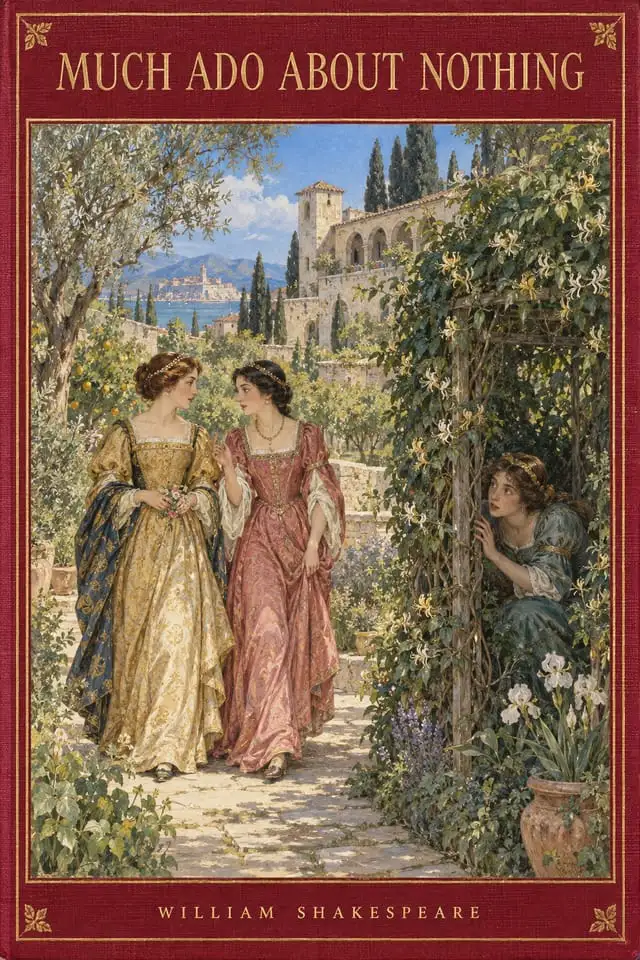
Much Ado About Nothing Study Guide
GCSE set textAQA GCSEEdexcel GCSEOCR GCSEEduqas GCSE
Notes cover the whole book.
Characters
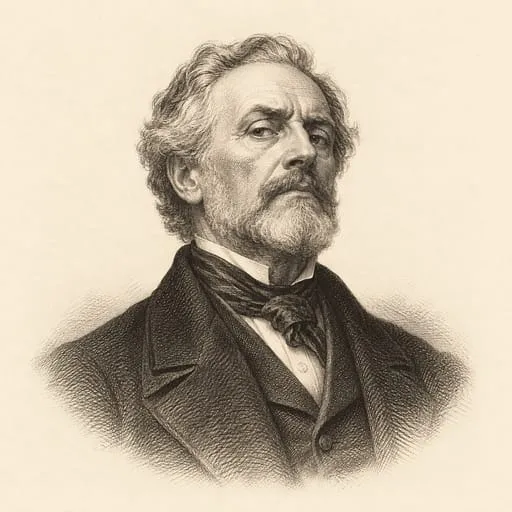
- LeonatoHe treats Claudio and Don Pedro as mistaken accusers, arranges Hero's masked return to Claudio and consents to Beatrice's marriage to Benedick.First appears: Act 1, Scene 1
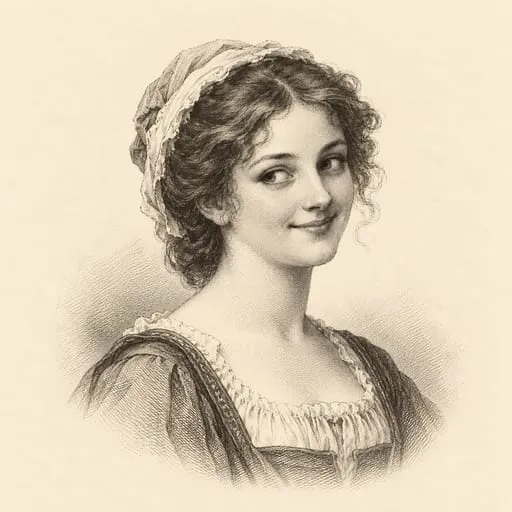
- HeroPresented masked as Antonio's daughter, she reveals herself to Claudio, asserts her chastity and produces Beatrice's written confession of love for Benedick.First appears: Act 1, Scene 1
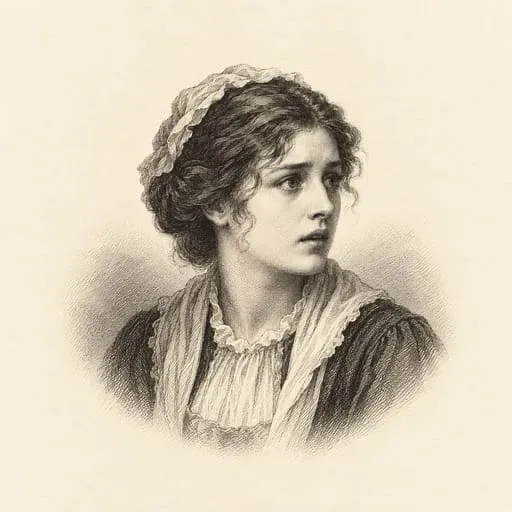
- BeatriceAfter her written affection for Benedick is produced against her guarded words, she agrees to accept him while claiming partly to be saving his life.First appears: Act 1, Scene 1
- MessengerA messenger brings Don Pedro news that Don John has been captured in flight and returned to Messina with armed men.First appears: Act 1, Scene 1
- Don PedroHe sees Hero revealed alive and receives news that his brother has been captured in flight and brought back under guard.First appears: Act 1, Scene 1
- Don JohnA messenger reports that he has been captured while fleeing and brought back to Messina under armed guard.First appears: Act 1, Scene 1
- ClaudioHe pledges himself to the masked woman presented as Antonio's daughter and discovers that she is Hero, alive and declaring her innocence.First appears: Act 1, Scene 1
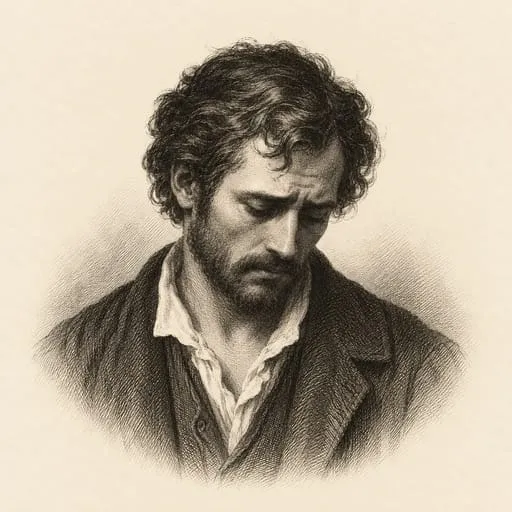
- BenedickHe openly chooses marriage to Beatrice despite his friends' jokes, makes peace with Claudio and calls for a dance before the weddings.First appears: Act 1, Scene 1
- BalthasarHe sings a song about men's inconstancy and agrees to arrange music at Hero's chamber window for the following night.First appears: Act 1, Scene 1
- AntonioHelping Leonato's plan, he presents the masked Hero to Claudio as his own daughter.First appears: Act 1, Scene 2
- ConradeExamined alongside Borachio, he insists that he is a gentleman and insults the officers as the prisoners are ordered to be bound.First appears: Act 1, Scene 3
- BorachioHe confesses to deceiving Claudio and Don Pedro for Don John's money, asks for a villain's punishment and insists Margaret did not know what she was doing.First appears: Act 1, Scene 3
- MargaretLeonato says she unintentionally shared in the wrong, and she joins the women in withdrawing to return masked.First appears: Act 2, Scene 1
- UrsulaShe summons Beatrice home with news that Hero was falsely accused and that Don John devised the wrong and has fled.First appears: Act 2, Scene 1
- BoyA boy whom Benedick sends to fetch a book from his chamber window and bring it to the orchard.First appears: Act 2, Scene 3
- DogberryHe brings the prisoners before Don Pedro and receives Leonato's thanks and reward, while still demanding that the insult against him be remembered.First appears: Act 3, Scene 3
- VergesHe tells Leonato that the Watch has caught two knaves, but Dogberry interrupts him and the prisoners' offence remains unexplained.First appears: Act 3, Scene 3
- First WatchHe testifies that Borachio called Don John a villain and said Claudio intended to disgrace Hero before the assembled wedding guests.First appears: Act 3, Scene 3
- Second WatchHe testifies that Borachio said he had received a thousand ducats from Don John for accusing Hero wrongfully.First appears: Act 3, Scene 3
- Friar FrancisVindicated in his belief that Hero is innocent, he agrees to help marry Benedick and Beatrice and promises to explain Hero's apparent death after the holy rites.First appears: Act 4, Scene 1
- SextonHe guides the examination, hears the Watch's evidence against the prisoners and leaves to show Leonato the record after reporting Don John's departure and Hero's supposed death.First appears: Act 4, Scene 2
- A LordAn attendant at the church who confirms for Claudio that this is Leonato's family monument.First appears: Act 5, Scene 3
Themes
- Love and marriage
- Wit and the power of language
- Appearances, deception and overhearing
- Honour and reputation
- Gender, power and choice
- Resentment and revenge
Context
- Horns
- Horns were a conventional sign of a husband whose wife was unfaithful; Benedick's jokes link marriage to the fear of being deceived. Act 1, Scene 1
- Sheeps' guts
- Animal gut was used to make strings for musical instruments; Benedick reduces the music's emotional power to the material producing it. Act 2, Scene 3
- Carduus Benedictus
- Margaret identifies this as holy thistle, offered here as a remedy for sickness; its name supplies her joke about Benedick. Act 3, Scene 4
Chapter summaries
Act 1, Scene 1
Outside Leonato's house in Messina, a messenger announces Don Pedro's approach and praises the young Claudio's service in battle. Don Pedro arrives with his companions, including his reconciled brother Don John, and accepts Leonato's hospitality. Beatrice and Benedick trade insults in what Leonato calls a merry war, each claiming to want nothing from love. Left together after the others go inside, Claudio praises Hero while Benedick mocks both her looks and the prospect of marriage. When Don Pedro returns, Benedick reveals Claudio's love and defends his own refusal to trust women. After Benedick leaves, Claudio asks whether Leonato has a son and learns that Hero is his only heir, placing inheritance beside the language of desire. Don Pedro proposes to impersonate Claudio and court Hero before approaching her father, making disguise and a powerful friend's help part of the proposed match.
Act 1, Scene 2
Leonato and his brother Antonio meet in a room of Leonato's house while music and other preparations are being arranged. Antonio reports that his servant overheard Don Pedro telling Claudio that he loved Hero and intended to speak to her at the dance. This differs from the plan the audience has just heard, in which Don Pedro intends to court her on Claudio's behalf. Leonato questions the servant's judgement and says they should treat the news as a dream until it is confirmed, yet still sends Antonio to tell Hero so she can prepare an answer. The brothers' discussion creates dramatic irony because the audience can recognise the mistake, while Leonato's return to directing attendants places the uncertain news within the household's busy preparations.
Act 1, Scene 3
In the same room, Conrade urges the unhappy Don John to endure his situation and conceal his discontent until he can act without restraint. Their conversation reveals that Don John recently opposed his brother and has only just been restored to his favour. Don John describes himself as a villain and uses images of a muzzle, a restraining weight and a cage to present that favour as confinement. Borachio says he hid behind a wall hanging and heard Don Pedro agree to woo Hero for himself before giving her to Claudio. Don John asks whether the intended marriage offers a chance for mischief, linking his hostility to the glory Claudio has gained from Don John's overthrow. Conrade promises his support and Borachio agrees to accompany them, so the scene ends with the men going to the supper to discover what they can do, without yet settling a specific scheme.
Act 2, Scene 1
In Leonato's hall, Beatrice rejects the prospect of a husband ruling her and urges Hero to consider her own wishes as well as her father's. The masked festivities pair Don Pedro with Hero, Balthasar with Margaret, Antonio with Ursula, and Benedick with Beatrice. Benedick conceals his identity while Beatrice calls him a dull jester, and his later complaints show how deeply her words hurt him. Borachio identifies the masked Claudio, and Don John addresses him as Benedick before claiming that Don Pedro loves Hero; Borachio supports the lie by saying that Don Pedro has sworn to marry her that night. Claudio accepts this report as certain and condemns the use of an agent in love, until Don Pedro explains that he has won Hero and her father's consent on Claudio's behalf. Claudio rejoices, Hero whispers her affection to him, and Beatrice playfully declines Don Pedro's own offer of marriage. Leonato fixes the wedding for Monday, and Don Pedro gains the others' support for a further scheme to bring Beatrice and Benedick together.
Act 2, Scene 2
Left with Borachio in the same hall, Don John confirms that Claudio is to marry Hero and welcomes any means of preventing it. Borachio says he can arrange for Margaret, Hero's waiting gentlewoman, to appear at her mistress's chamber window at night. He directs Don John to accuse Hero of loving him while pretending concern for Don Pedro's honour and Claudio's reputation. The proposed proof is a staged exchange in which Borachio will call Margaret Hero and Margaret will call him Claudio, with Hero kept away and the two men brought to watch on the night before the wedding. Borachio explicitly aims to make jealousy pass for certainty, showing the audience how he proposes to manufacture supposed eyewitness evidence. Don John accepts the possible harm to all concerned, promises payment and goes to learn the wedding date.
Act 2, Scene 3
Alone in Leonato's orchard after sending a boy for a book, Benedick mocks the changes love has made in Claudio and lists the many qualities he would demand in a wife. He hides when Don Pedro, Claudio and Leonato arrive, but they spot him and prepare to use his concealment against him. Balthasar sings that men are deceivers and urges women to turn their sorrow into merriment, then leaves to arrange more music. The three men stage a conversation about Beatrice's supposed passion, inventing reports from Hero of torn letters, tears and fears that Beatrice may harm herself. Before leaving, they arrange a similar deception for Beatrice and decide to send her to summon Benedick to dinner. Benedick trusts Leonato's respectable appearance, accepts their criticism of his pride and resolves in a soliloquy to return Beatrice's love while finding excuses for abandoning his vow to remain a bachelor. When Beatrice reluctantly calls him to dinner, he treats her unpromising words as a hidden declaration of love.
Act 3, Scene 1
In Leonato's garden, Hero sends Margaret to bring Beatrice within hearing of a conversation that Hero and Ursula have planned for her. Once Beatrice hides nearby, the women describe Benedick as deeply in love and Beatrice as too proud and scornful to be told. Hero claims that she would rather invent slanders against her cousin than expose Benedick to Beatrice's mockery. Ursula counters with praise of Benedick's qualities and reputation, making refusal seem a failure of judgement. Their images of bait and traps keep the audience aware that this apparently private conversation is a performance. After they leave to discuss Hero's wedding clothes, Beatrice steps forward in a soliloquy, accepts the criticism and resolves to return Benedick's love with marriage in view.
Act 3, Scene 2
In Leonato's house, Don Pedro discusses leaving after the wedding and describes Benedick as immune to love. Benedick's friends then treat his shaved beard, perfume, clothes and melancholy as signs that he is in love, despite his claim to have toothache. He leaves with Leonato for a private conversation whose subject Don Pedro and Claudio guess to be Beatrice. Don John's entrance turns the discussion from comic signs of love to an accusation against Hero's sexual fidelity. He appeals to Claudio's honour and offers a visit to her chamber window as proof, although the audience already knows Borachio has planned a deception there. Before seeing that evidence, Claudio decides that any grounds for rejecting Hero will be answered by public humiliation at the wedding, and Don Pedro pledges his support. The scene sets the men's readiness to interpret appearances beside their willingness to use the marriage ceremony to damage Hero's reputation.
Act 3, Scene 3
In a street, Dogberry and Verges brief the Watch in a comic exchange filled with mistaken words and instructions that favour sleep or retreat over enforcing the law. Before leaving, Dogberry asks the men to watch Leonato's door because of the wedding preparations. Borachio and Conrade enter, and the hidden watchmen hear Borachio say that he has earned a thousand ducats from Don John. A digression about clothing makes one watchman mistake Borachio's description of fashion as a deformed thief for a reference to an actual criminal named Deformed. Borachio then reports that he courted Margaret as Hero at Hero's window while Don John positioned Claudio and Don Pedro to watch from a distance. He explains how darkness, Don John's assertions and his own actions convinced the two men, leaving Claudio determined to reject Hero publicly. Although the watchmen misunderstand some of the language, they recognise wrongdoing and take Borachio and Conrade into custody.
Act 3, Scene 4
In Hero's apartment, Ursula goes to fetch Beatrice while Hero and Margaret debate the clothes Hero will wear to the wedding. Hero insists on her choice but admits to a heavy heart, prompting Margaret to turn the word 'heavy' into a sexual joke about marriage. When Beatrice enters complaining of illness, Margaret repeatedly redirects her words towards husbands and desire. Her recommendation of Carduus Benedictus lets her bring Benedick's name into the conversation while claiming only to mean a thistle. Margaret cites Benedick's change of attitude towards marriage as she questions Beatrice's own resistance to love. The audience knows about the accusation against Hero and Borachio's account of the window scene, but the women's conversation remains concerned with clothes, sickness and courtship. Ursula returns to announce the men's arrival, and Hero asks the three women to help dress her for church.
Act 3, Scene 5
In another room of Leonato's house, Dogberry asks for a conversation about a matter that concerns Leonato closely, but expresses himself through confused wording. Leonato asks him to be brief and presses him to explain his business because he is busy with the wedding. Verges manages to say that the Watch has caught two knaves, only for Dogberry to interrupt with a long account of his partner's age and merits. Dogberry mistakes Leonato's complaint that he is tedious for a compliment, letting the audience hear a gap between the officer's intended dignity and his effect on his listener. When Dogberry finally requests an examination of the two suspects, Leonato delegates it to him without learning what the men have done. A messenger summons Leonato to give his daughter to her husband, while Dogberry arranges for a writer at the gaol. The scene leaves the information overheard by the Watch uncommunicated to Hero's father as he goes to the wedding.
Act 4, Scene 1
The wedding in the church becomes a public accusation when Claudio rejects Hero and Don Pedro claims to have witnessed her meeting another man at her window. Hero denies speaking with any man at the stated hour, but Claudio treats her blush as proof of guilt, and Leonato wishes her dead after she faints. After Don Pedro, Don John and Claudio leave and Hero revives, Beatrice defends her cousin, while the friar reads Hero's changing colour as evidence of innocence rather than guilt. Hero repeats her denial, Benedick suspects Don John's trickery, and Leonato threatens either his daughter or her accusers according to which account proves true. The friar gains agreement to conceal Hero and publish her death, hoping apparent loss will make Claudio value her and regret his accusation. After the others leave, Beatrice and Benedick confess their love, but her abrupt demand that he kill Claudio turns his offer of service into a conflict between love and friendship. Beatrice condemns male courage reduced to talk and laments her inability to act as a man; after initially refusing her demand, Benedick agrees to challenge Claudio.
Act 4, Scene 2
Dogberry, Verges and the Sexton assemble in the prison with the Watch and the two prisoners, Borachio and Conrade. Dogberry's confused language makes him identify himself and Verges as the malefactors, and the Sexton has to direct him to hear the Watch's evidence. The watchmen report Borachio's account of Don John's payment for falsely accusing Hero and Claudio's intention to disgrace her at the wedding. Dogberry misnames the offences, but the Sexton connects the testimony to Hero's rejection and reports that Don John has secretly departed that morning. He also reports Hero's death, creating dramatic irony because the audience has seen her alive and heard the plan to announce her death. The Sexton orders the prisoners bound and leaves to show Leonato the examination, giving the evidence a route to the household. Conrade's insults then turn Dogberry's attention to his own status, and his wish to have himself recorded as an ass makes his concern for official dignity comic.
Act 5, Scene 1
Outside Leonato's house, Antonio's advice about patience gives way to threats as the brothers confront Claudio for slandering Hero and speak of her as dead. Don Pedro still defends the accusation as proved, while Claudio refuses Leonato's challenge and later jokes about the old men. Benedick challenges Claudio in an aside, rejects his companions' teasing and leaves after accusing them of killing an innocent lady. Dogberry, Verges and the Watch arrive with the prisoners, and Borachio confesses that Don John paid him to deceive the men with Margaret in Hero's clothes. Claudio offers to accept penance but qualifies his guilt as a mistake, while Leonato refuses to let Borachio take sole responsibility for the wrong. Leonato demands that Hero's innocence be made public, that she be mourned at her tomb and that Claudio marry a woman presented as Antonio's daughter, an offer Claudio accepts. Borachio rejects Leonato's suspicion that Margaret knowingly joined the plot, and Dogberry receives thanks and a reward while still pursuing the insult against him.
Act 5, Scene 2
In Leonato's garden, Benedick asks Margaret to bring Beatrice, and their exchange turns praise of her wit into sexual jokes about weapons. Alone after Margaret leaves, he tries singing and compares himself with famous lovers, but admits that his attempts to rhyme produce foolish or unwelcome associations. Beatrice first wants to know what has happened between him and Claudio, and he tells her that Claudio faces his challenge. Their declarations of love remain mixed with insults, as each makes affection sound like an answer to the other's faults. Benedick's defence of praising himself leads to a question about Hero, and Beatrice says both her cousin and she herself are very ill. Ursula interrupts with news that Hero was falsely accused, that Claudio and Don Pedro were deceived and that Don John devised the plot and has fled, prompting the lovers to leave together for Leonato's house.
Act 5, Scene 3
Don Pedro and Claudio enter a church with attendants carrying tapers, and a lord confirms the location of Leonato's monument. Claudio reads a scroll that names slander as the cause of Hero's death and claims that death has replaced her shame with lasting fame. A song asks pardon for those who killed her and calls on the graves to yield their dead. Claudio then promises to repeat the rite every year, making mourning part of the penance he has accepted. The audience's knowledge that Hero is alive gives the ceremony dramatic irony, even as the words publicly honour the woman Claudio rejected. With dawn breaking, Don Pedro proposes changing their clothes before visiting Leonato, and Claudio invokes marriage with a wish for a better outcome.
Act 5, Scene 4
In Leonato's house, the friar recalls his belief in Hero's innocence, while Leonato excuses Don Pedro and Claudio as mistaken and says Margaret's part in the wrong was unintended. Leonato sends the women away to return masked, and Benedick secures his consent and the friar's help for marriage to Beatrice. When Claudio and Don Pedro arrive, Antonio presents the masked Hero as his daughter, and Claudio must pledge himself before seeing her face. Hero unmasks and asserts that she is alive and chaste, while Leonato describes her death as lasting only while her slander lived. Beatrice and Benedick each deny loving the other beyond reason, but Claudio produces Benedick's sonnet and Hero produces Beatrice's written declaration of affection, setting their writing against their spoken denials. They accept each other through further jokes, Benedick refuses to be shamed out of marriage by his former opinions and he makes peace with Claudio. After a messenger announces Don John's capture, Benedick postpones thoughts of punishment and insists on music and a dance before the marriages take place.
Key quotes
I had rather hear my dog bark at a crow than a man swear he loves me.
Beatrice makes a declaration of love sound less welcome than an animal's noise. Her blunt comparison challenges the assumption that women must welcome male courtship.
Wit and the power of languageLove and marriageGender, power and choice
Because I will not do them the wrong to mistrust any, I will do myself the right to trust none;
Benedick balances wrong against right and mistrust against trust to make his suspicion of all women sound reasonable. The verbal pattern gives his refusal of marriage the form of an argument.
Wit and the power of languageLove and marriageGender, power and choice
I will assume thy part in some disguise And tell fair Hero I am Claudio,
Don Pedro treats courtship as a part someone else can perform. His offer joins friendly assistance to a deliberate deception about who is speaking.
Appearances, deception and overhearingLove and marriage
As the event stamps them: but they have a good cover; they show well outward.
Antonio admits that only the outcome can prove whether the news is good. His distinction between the cover and what is beneath it fits a report whose attractive surface hides a mistake.
Appearances, deception and overhearing
we will hold it as a dream till it appear itself:
Leonato sounds cautious about accepting hearsay, yet immediately takes steps to prepare Hero. Unconfirmed information already influences his decisions.
Appearances, deception and overhearingGender, power and choiceLove and marriage
it must not be denied but I am a plain-dealing villain.
Don John makes his rejection of social flattery sound like honesty even while openly claiming villainy. His contrast with a 'flattering honest man' separates plain speaking from good intentions.
Appearances, deception and overhearingResentment and revenge
I am trusted with a muzzle and enfranchised with a clog; therefore I have decreed not to sing in my cage.
The animal and prison images make Don Pedro's forgiveness sound like continued captivity. Don John presents his hostility as a response to being controlled.
Resentment and revengeHonour and reputation
That young start-up hath all the glory of my overthrow: if I can cross him any way, I bless myself every way.
Calling Claudio a start-up dismisses the honour the opening messenger celebrated. Don John turns Claudio's success into a personal grievance and treats obstruction as a source of satisfaction.
Resentment and revengeHonour and reputationLove and marriage
Would it not grieve a woman to be overmastered with a piece of valiant dust?
Beatrice reduces the supposedly commanding husband to mere earth. Her question challenges the assumption that a man's courage gives him the right to govern a woman's life.
Gender, power and choiceLove and marriageWit and the power of language
Let every eye negotiate for itself And trust no agent; for beauty is a witch Against whose charms faith melteth into blood.
Claudio turns a false report into a general rule against trusting friends in love. The image of beauty as witchcraft places the blame on desire before he has checked what Don Pedro has done.
Appearances, deception and overhearingLove and marriage
She speaks poniards, and every word stabs:
Benedick makes Beatrice's wit into a physical assault. His violent image exposes the hurt beneath the pair's comic exchange of insults.
Wit and the power of languageHonour and reputation
Not honestly, my lord; but so covertly that no dishonesty shall appear in me.
Borachio openly separates honest conduct from the appearance of honesty. His concern is to conceal his own part while damaging another person's reputation.
Appearances, deception and overhearingHonour and reputation
there shall appear such seeming truth of Hero’s disloyalty that jealousy shall be called assurance and all the preparation overthrown.
The pairing of 'seeming truth' with 'assurance' explains the intended fraud: an arranged sight will be treated as certain knowledge. Hero's reputation and the wedding are the targets of that false certainty.
Appearances, deception and overhearingHonour and reputationLove and marriageResentment and revenge
Sigh no more, ladies, sigh no more, Men were deceivers ever,
The song presents male deception as a reason for women to stop mourning unfaithful lovers. Its warning also sits beside the men's deliberate deception of Benedick.
Love and marriageAppearances, deception and overhearingGender, power and choice
I should think this a gull, but that the white-bearded fellow speaks it: knavery cannot, sure, hide itself in such reverence.
Benedick notices the possibility of a trick but dismisses it because Leonato looks too respectable to deceive him. The audience knows the conversation is staged, making his confidence an instance of dramatic irony.
Appearances, deception and overhearingHonour and reputation
When I said I would die a bachelor, I did not think I should live till I were married.
Benedick uses a joke to excuse the contradiction between his former vow and his new desire. His wit now helps him accept marriage rather than argue against it.
Love and marriageWit and the power of language
And, truly, I’ll devise some honest slanders To stain my cousin with: one doth not know How much an ill word may empoison liking.
Hero's phrase 'honest slanders' makes harmful words sound compatible with a good purpose. Her pretended threat gives Beatrice a reason to change how she treats Benedick.
Wit and the power of languageAppearances, deception and overhearingHonour and reputation
And, Benedick, love on; I will requite thee, Taming my wild heart to thy loving hand:
Beatrice moves from overhearing other people's account of her to declaring her own intention. Her image of taming links the decision to marry with yielding a 'wild' heart to Benedick's hand.
Love and marriageGender, power and choiceAppearances, deception and overhearing
If you dare not trust that you see, confess not that you know:
Don John equates seeing with knowing, making doubt seem a failure of courage. The audience's knowledge of the planned trick exposes the weakness in his claim.
Appearances, deception and overhearingHonour and reputation
If I see anything tonight why I should not marry her tomorrow, in the congregation, where I should wed, there will I shame her.
Claudio chooses the public setting of the wedding for his proposed punishment. Hero has no part in this discussion, while the men decide how they will treat her reputation.
Honour and reputationLove and marriageGender, power and choice
for the watch to babble and to talk is most tolerable and not to be endured.
Dogberry means that talking is intolerable but uses a word meaning the opposite. The contradiction makes his effort to sound authoritative undermine itself.
Wit and the power of language
when rich villains have need of poor ones, poor ones may make what price they will.
Borachio describes his crime as a transaction in which his employer's need gives him bargaining power. The fraud against Hero brings financial reward to the man performing it.
Honour and reputationResentment and revengeAppearances, deception and overhearing
partly by the dark night, which did deceive them, but chiefly by my villainy, which did confirm any slander that Don John had made,
Borachio explains that the men's belief came from manipulated conditions and deliberate fraud. His account confirms for the audience how Claudio and Don Pedro were deceived, while those two men still believe the accusation.
Appearances, deception and overhearingHonour and reputation
God give me joy to wear it! for my heart is exceeding heavy.
Hero's wish for joy in her wedding clothes is checked by her admission of sadness. The scene gives no explanation for that feeling, so it should not be treated as knowledge of the men's accusation.
Love and marriageAppearances, deception and overhearing
Benedictus! why Benedictus? you have some moral in this Benedictus.
Beatrice recognises that the remedy's name hints at Benedick. Margaret denies any hidden meaning before openly naming him as an example of someone who has changed his mind about marriage.
Wit and the power of languageLove and marriage
Comparisons are odorous:
Dogberry confuses 'odorous', meaning having a smell, with 'odious', meaning hateful. His attempt at a polished saying makes his language another obstacle to a clear report.
Wit and the power of language
Take their examination yourself and bring it me: I am now in great haste, as may appear unto you.
Leonato delegates the inquiry because he is occupied with the wedding. The audience knows why the arrests concern him, giving urgency to a conversation he treats as a delay.
Appearances, deception and overhearingWit and the power of languageLove and marriage
There, Leonato, take her back again: Give not this rotten orange to your friend; She’s but the sign and semblance of her honour.
Claudio treats Hero as a gift he can return to her father and compares her to spoiled fruit. The image declares her corrupt beneath an attractive surface before her denial is heard.
Honour and reputationGender, power and choiceAppearances, deception and overhearingLove and marriage
Kill Claudio.
Beatrice's two-word command breaks into the lovers' declarations and makes Benedick's offer to do anything for her a demand for violent action. Her defence of Hero places his friendship with Claudio under direct pressure.
Love and marriageHonour and reputationResentment and revenge
I cannot be a man with wishing, therefore I will die a woman with grieving.
Beatrice presents gender as a barrier to avenging Hero's public humiliation. Her contrast between acting as a man and grieving as a woman explains the urgency of her demand for a male ally.
Gender, power and choiceHonour and reputationResentment and revenge
Master constable, you go not the way to examine: you must call forth the watch that are their accusers.
The Sexton replaces Dogberry's repetitive accusations with a demand to hear witnesses. His practical instruction allows the evidence about Hero's slander to enter the formal examination.
Wit and the power of languageAppearances, deception and overhearingHonour and reputation
Marry, that he had received a thousand ducats of Don John for accusing the Lady Hero wrongfully.
The Second Watch states both the payment and the false accusation clearly. This plain report contrasts with Dogberry's confused legal terms and challenges the charge made at the wedding.
Honour and reputationAppearances, deception and overhearing
O that he were here to write me down an ass!
Dogberry wants an official record of Conrade's insult, but his wording sounds like a request to certify his own foolishness. His concern for personal dignity overtakes his attention to the prisoners' offence.
Wit and the power of languageHonour and reputation
In a false quarrel there is no true valour.
Benedick separates courage from the justice of the cause it serves. His judgement challenges the men's pride in their own conduct before he calls Claudio to account.
Honour and reputationResentment and revenge
I have deceived even your very eyes: what your wisdoms could not discover, these shallow fools have brought to light;
Borachio overturns the men's confidence in eyewitness proof. Calling the watchmen fools while crediting their discovery exposes the failure of their social superiors to recognise the fraud.
Appearances, deception and overhearingHonour and reputationWit and the power of language
Choose your revenge yourself; Impose me to what penance your invention Can lay upon my sin: yet sinn’d I not But in mistaking.
Claudio offers Leonato control over his punishment but immediately limits his admission of fault. The qualification leaves room to question how fully he accepts responsibility for choosing to shame Hero.
Honour and reputationResentment and revenge
no, I was not born under a rhyming planet, nor I cannot woo in festival terms.
Benedick admits difficulty with polished love poetry despite his ease in conversation. His private struggle to find rhymes gives the audience a different view of the confidence he displays with others.
Love and marriageWit and the power of languageAppearances, deception and overhearing
Thou and I are too wise to woo peaceably.
Benedick makes their quarrels a sign of shared intelligence and turns disagreement into a form of courtship. Beatrice immediately questions his claim to wisdom, keeping the exchange open to challenge.
Love and marriageWit and the power of languageGender, power and choice
Done to death by slanderous tongues Was the Hero that here lies:
The epitaph makes damaging speech the agent of Hero's supposed death. Claudio now reads aloud a judgement that contradicts the accusation he made at the wedding.
Honour and reputationWit and the power of languageAppearances, deception and overhearing
Now, unto thy bones good night! Yearly will I do this rite.
Claudio turns a single night's ceremony into a promise of continuing remembrance. His address to Hero's bones also preserves the gap between his belief in her death and the audience's knowledge that she lives.
Honour and reputationLove and marriageAppearances, deception and overhearing
One Hero died defiled, but I do live, And surely as I live, I am a maid.
Hero separates the identity made by slander from her living self and asserts her own chastity. Her words make the revelation a correction of the men's judgement as well as a discovery that she survives.
Honour and reputationAppearances, deception and overhearingGender, power and choiceLove and marriage
A miracle! here’s our own hands against our hearts.
The lovers' handwriting supplies evidence against their guarded spoken answers. Benedick's joke acknowledges how their own writing exposes feelings they are still reluctant to admit openly.
Wit and the power of languageAppearances, deception and overhearingLove and marriage
Come, come, we are friends: let’s have a dance ere we are married, that we may lighten our own hearts and our wives’ heels.
Benedick declares reconciliation with Claudio and asks for a shared celebration. The word 'ere' places the dance before the weddings, keeping the ending's promised marriages distinct from ceremonies already performed.
Love and marriageResentment and revengeWit and the power of language