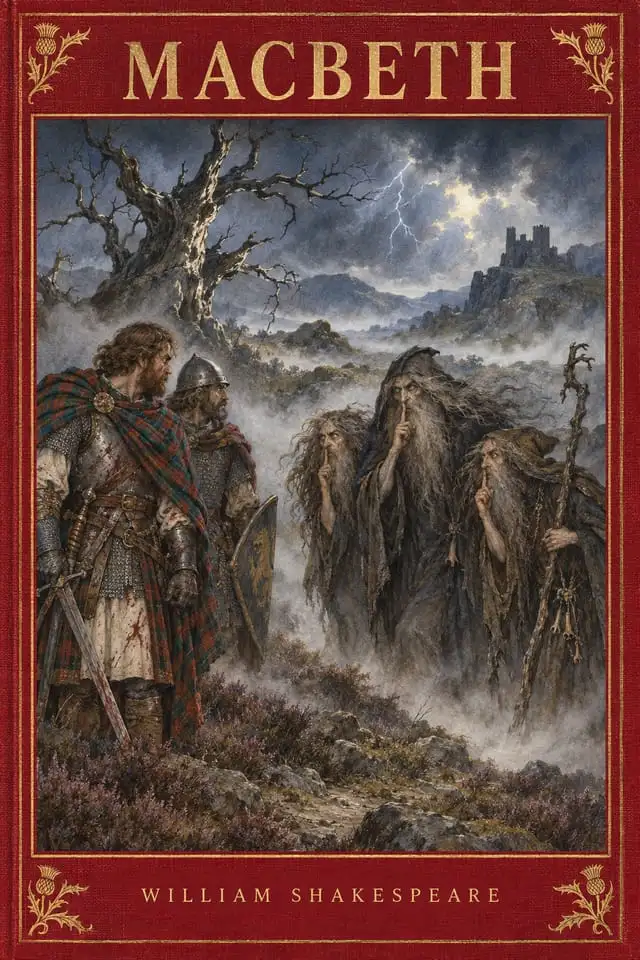
Characters
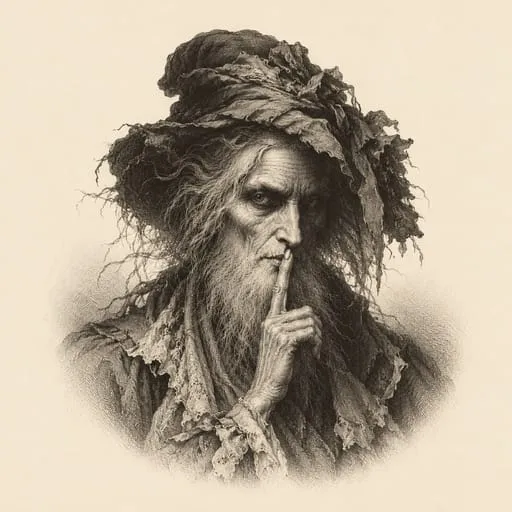
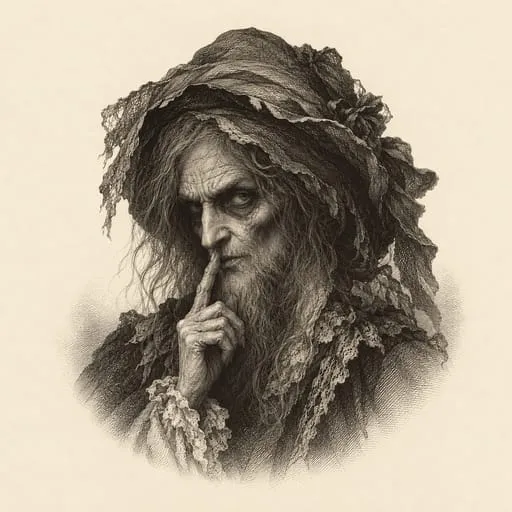
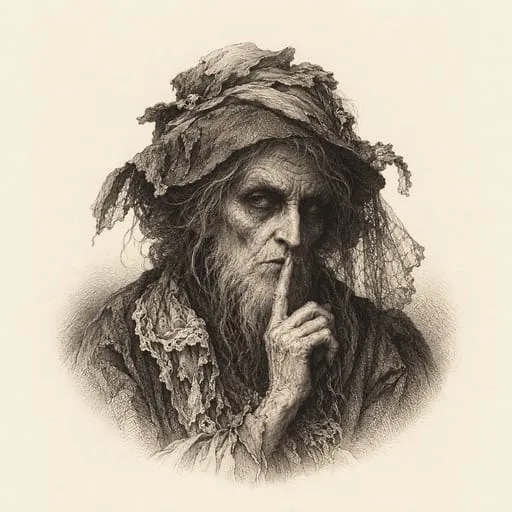
- First WitchShe helps summon apparitions for Macbeth and confirms the vision of kings that he takes to be Banquo's descendants.First appears: Act 1, Scene 1
- Second WitchShe helps prepare the cauldron's charm and senses the approach of someone wicked just before Macbeth enters.First appears: Act 1, Scene 1
- Third WitchShe predicts that Macbeth will be king and that Banquo will father kings without being one himself.First appears: Act 1, Scene 1
- DuncanThe king has been murdered by Macbeth while staying at Macbeth's castle.First appears: Act 1, Scene 2
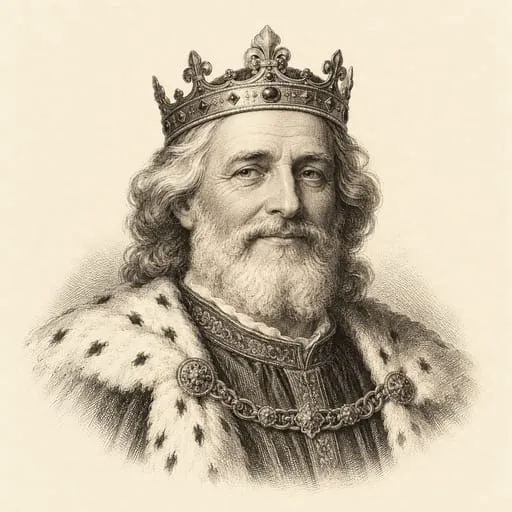
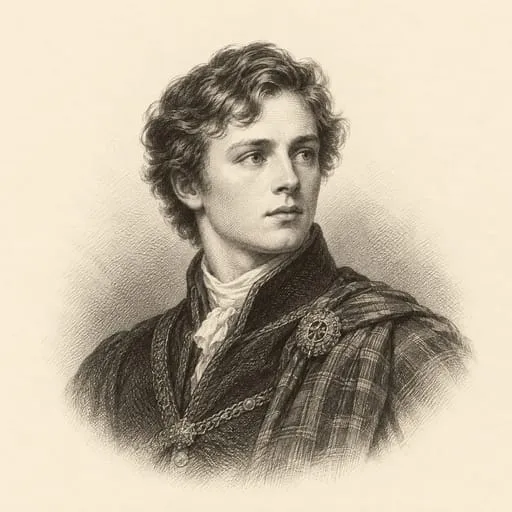
- MalcolmHailed as King of Scotland after Macbeth's death, he rewards his supporters, promises to recall exiles and bring the former rulers' cruel agents forward, and invites everyone to his coronation at Scone.First appears: Act 1, Scene 2
- DonalbainAccording to Macduff, his flight and Malcolm's have raised suspicion that they arranged their father's murder.First appears: Act 1, Scene 2
- LennoxHe marches with Macbeth's opponents, confirms Donalbain's absence from the approaching force and calls for the march towards Birnam.First appears: Act 1, Scene 2
- The SergeantThe wounded soldier who fought to prevent Malcolm's capture reports Macbeth and Banquo's courage and is sent for surgical help.First appears: Act 1, Scene 2
- RossHe reports Young Siward's death to his father, praising the young man's courage and confirming that his wounds were on his front.First appears: Act 1, Scene 2
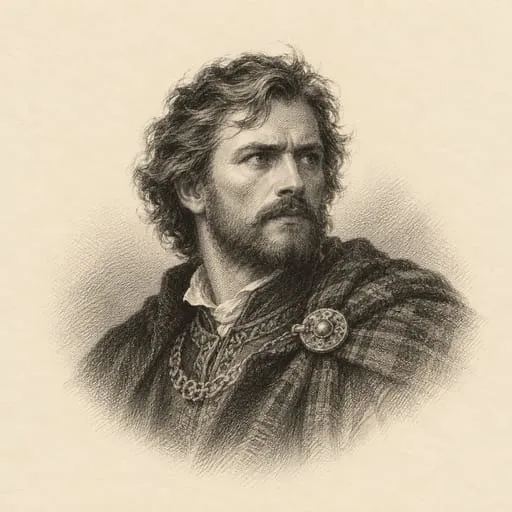
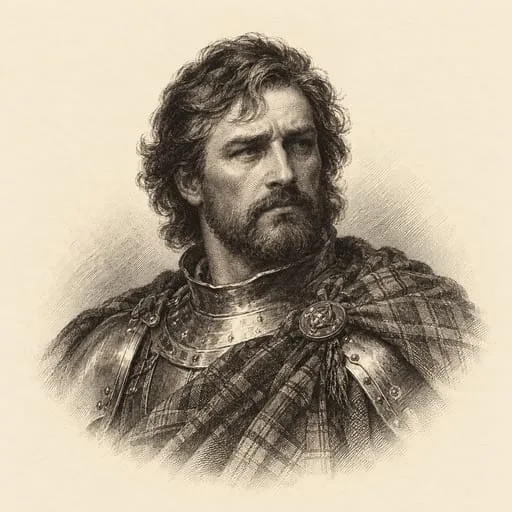
- MacbethAfter Macduff's account of his birth breaks his trust in the charm, he chooses to fight rather than yield, and Macduff later returns carrying his head.First appears: Act 1, Scene 3
- BanquoHis ghost follows a vision of eight kings, smiling at Macbeth and pointing to the kings as his descendants.First appears: Act 1, Scene 3
- AngusNow marching to join Malcolm's force, he describes obedience to Macbeth as loveless and Macbeth's royal title as a giant's robe hanging on a dwarfish thief.First appears: Act 1, Scene 3
- Lady MacbethMalcolm says it is thought that she took her own life, presenting this as a report rather than an established fact.First appears: Act 1, Scene 5
- The MessengerHe tells Lady Macbeth that Duncan will arrive that night and that Macbeth is on his way.First appears: Act 1, Scene 5
- MacduffHe reveals that he was cut from his mother's womb, fights Macbeth and returns with his head before hailing Malcolm as King of Scotland.First appears: Act 1, Scene 6
- The SewerA household officer who crosses the stage with servants carrying dishes for the meal before Macbeth enters.First appears: Act 1, Scene 7
- FleanceBanquo's son escapes when the murderers attack them near the palace and his dying father tells him to flee.First appears: Act 2, Scene 1
- The ServantA torch-bearing servant who accompanies Macbeth and is sent to ask Lady Macbeth to ring a bell when his drink is ready.First appears: Act 2, Scene 1
- The PorterThe castle's gatekeeper imagines admitting sinners to hell before opening the gate to Macduff and Lennox and joking about the effects of drink.First appears: Act 2, Scene 3
- The Old ManAn elderly man who describes an owl killing a falcon, connects unnatural events with Duncan's murder and offers a blessing as Ross leaves.First appears: Act 2, Scene 4
- The AttendantAn attendant at Macbeth's palace brings two murderers before him and is sent to wait at the door.First appears: Act 3, Scene 1
- First MurdererHe reports to Macbeth that he cut Banquo's throat but that Fleance escaped, and describes Banquo's body lying in a ditch.First appears: Act 3, Scene 1
- Second MurdererHe takes part in the ambush and says that Fleance's escape has cost the murderers the better half of their task.First appears: Act 3, Scene 1
- Third MurdererHe says Macbeth sent him to join the other murderers, knows their instructions and Banquo's route, and notices that Fleance has escaped.First appears: Act 3, Scene 3
- HecateCalling herself the mistress of the witches' charms, she rebukes them for excluding her and plans illusions intended to make Macbeth dangerously confident.First appears: Act 3, Scene 5
- The LordAn unnamed lord tells Lennox of Macduff's appeal for English help and prays for relief from Macbeth's rule.First appears: Act 3, Scene 6
- First ApparitionAn armed head summoned during Macbeth's visit to the witches warns him to beware Macduff, the thane of Fife.First appears: Act 4, Scene 1
- Second ApparitionA bloody child urges Macbeth to be bold and declares that none born of woman will harm him.First appears: Act 4, Scene 1
- Third ApparitionA crowned child holding a tree declares that Macbeth will not be defeated until Birnam wood comes against him at Dunsinane hill.First appears: Act 4, Scene 1
- The Eight KingsEight kings appear in a vision with Banquo's ghost following them, and the last carries a mirror in which Macbeth sees more kings.First appears: Act 4, Scene 1
- Lady MacduffRoss reports to Macduff that she has been killed along with their children and the servants found at the castle.First appears: Act 4, Scene 2
- Macduff's SonLady Macduff's son questions her claims about his father, calls his father's accuser a liar and dies after being stabbed, urging his mother to run.First appears: Act 4, Scene 2
- The Messenger at FifeA messenger unknown to Lady Macduff warns her to leave with her children because danger is near, then hurries away.First appears: Act 4, Scene 2
- The Murderer at FifeHe demands Macduff's whereabouts, calls him a traitor and stabs his son after the boy calls him a liar.First appears: Act 4, Scene 2
- The DoctorA doctor at the English court tells Malcolm that patients beyond medical help recover when the king touches them.First appears: Act 4, Scene 3
- The Doctor at DunsinaneHe tells Macbeth that the patient must treat her own troubled mind and privately wishes to leave Dunsinane for good.First appears: Act 5, Scene 1
- The GentlewomanLady Macbeth's attendant describes her sleepwalking but refuses to repeat her words without a witness, then watches with the Doctor as her mistress rubs her hands and speaks of blood.First appears: Act 5, Scene 1
- MenteithMarching with the Scottish opponents of Macbeth, he reports the approach of Malcolm's force and connects Macbeth's disturbed senses with inward condemnation.First appears: Act 5, Scene 2
- CaithnessHe reports Macbeth's fortification of Dunsinane and urges the others to join Malcolm, whom he describes as medicine for their sick country.First appears: Act 5, Scene 2
- The Servant at DunsinaneHe reports ten thousand English soldiers to Macbeth, who insults his pale face and dismisses him.First appears: Act 5, Scene 3
- SeytonHe goes to investigate the women's cries and returns to tell Macbeth that the queen is dead.First appears: Act 5, Scene 3
- SiwardOn hearing that his son died with wounds on his front, he accepts the death as an honourable soldier's end and insists that it needs no further mourning.First appears: Act 5, Scene 4
- Young SiwardHe challenges Macbeth's claim that his name should inspire fear and is killed fighting him.First appears: Act 5, Scene 4
- The Messenger at DunsinaneA watcher from the hill tells Macbeth that Birnam wood appears to be moving and insists on his report despite Macbeth's anger.First appears: Act 5, Scene 5
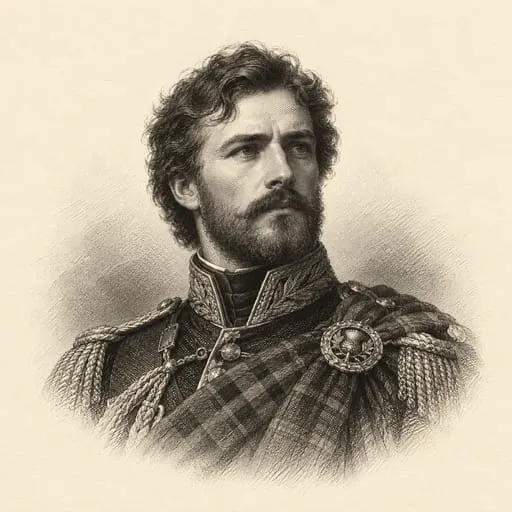
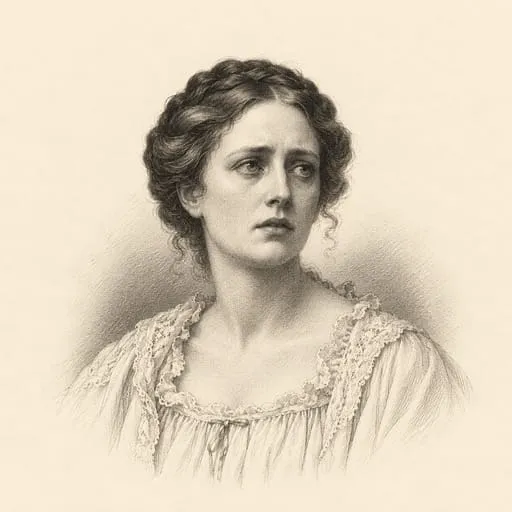
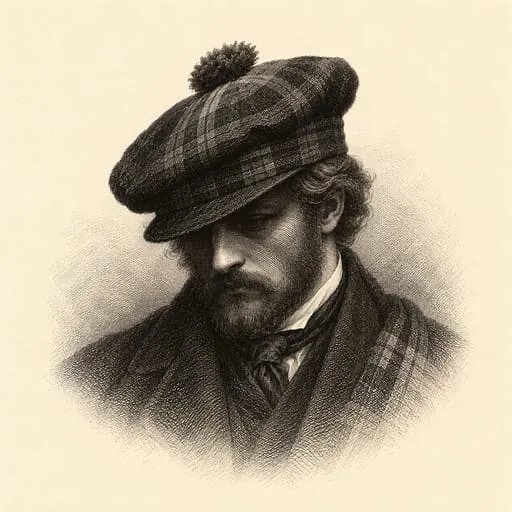
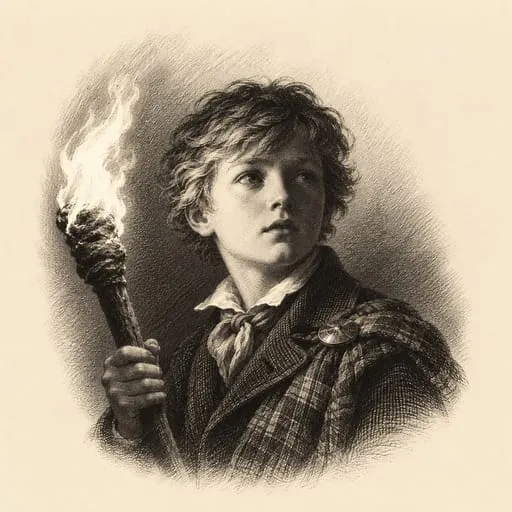
Themes
- Ambition and power
- The supernatural, fate and choice
- Appearance and deception
- Kingship, loyalty and betrayal
- Violence and cruelty
- Conscience and moral responsibility
- Gender, courage and persuasion
Context
- Thane
- A Scottish nobleman's title; Duncan can remove Cawdor's title and bestow it on Macbeth as a reward for service. Act 1, Scene 2
- The Lord's anointed
- Anointing with oil is a religious act of consecration; Macduff's image treats the king's body as a sacred temple and the murder as a violation of it. Act 2, Scene 3
Chapter summaries
Act 1, Scene 1
Three witches appear in thunder and lightning and arrange their next meeting. They expect the battle to be over before sunset and name Macbeth as the person they will meet. Macbeth is spoken of but does not appear, leaving his connection to them unexplained. Their closing statement reverses the meanings of fair and foul, making ordinary judgements uncertain. The brief exchanges and shared final speech present them as a group acting together.
Act 1, Scene 2
Duncan, Malcolm, Donalbain and Lennox meet a bleeding sergeant at the camp. Malcolm identifies him as a soldier who fought to prevent his capture. The sergeant describes Macbeth killing Macdonwald and praises Macbeth and Banquo for meeting a fresh attack without fear. Duncan honours the sergeant's wounds and sends him for treatment. Ross then reports victory over Norway and the thane of Cawdor's support for the enemy. Duncan orders the traitor's execution and gives Macbeth his title, so Macbeth is presented through other people's accounts of his service. The praise treats extreme violence as honourable when it serves the king.
Act 1, Scene 3
On the heath, the witches discuss tormenting a sailor after his wife refused the First Witch chestnuts. Macbeth and Banquo arrive, and the witches greet Macbeth with his existing title of Glamis, the title of Cawdor that he does not yet know Duncan has awarded him, and a promise of kingship. They answer Banquo with contradictory comparisons and predict that he will father kings without being one himself. The witches vanish before explaining their knowledge, then Ross and Angus arrive to announce that Duncan has made Macbeth thane of Cawdor. Banquo warns that evil powers may tell small truths to win trust before causing greater harm. In asides, Macbeth reveals both his attraction to kingship and his horror at an imagined murder, though he also considers letting chance act without him. The witches promise him kingship without instructing him to kill, making the thought of murder part of his own response.
Act 1, Scene 4
At the palace in Forres, Malcolm passes on an eyewitness account of Cawdor's confession and death. Duncan admits that a face cannot reveal a person's mind and that he trusted Cawdor completely. When Macbeth and Banquo arrive with Ross and Angus, Duncan warmly praises their service, and Macbeth declares his loyalty. Duncan names his eldest son Malcolm Prince of Cumberland and establishes him as his successor. Macbeth offers to go ahead to tell his wife of Duncan's visit to Inverness. In an aside, he describes Malcolm as a step in his way and asks darkness to conceal his desires. Duncan's closing praise of Macbeth creates dramatic irony because the audience has just heard what the king cannot hear.
Act 1, Scene 5
Alone at Inverness, Lady Macbeth reads a letter in which Macbeth shares the witches' promises and calls her his partner in greatness. She believes he is ambitious but too kind to take the quickest route to power, and plans to influence him through speech. A messenger announces Duncan's arrival that night, turning her thoughts towards his death under her roof. She calls on spirits to remove the qualities she associates with womanhood and to block remorse, using images of blood, milk and gall to imagine deliberate cruelty. When Macbeth arrives, she tells him that Duncan must not see another morning. She urges him to hide his intentions beneath a welcoming face and let her manage the business. Macbeth says they will speak further, so the scene ends with her urging a course of action rather than his explicit agreement to a detailed plan.
Act 1, Scene 6
Duncan arrives outside Macbeth's castle with Malcolm, Donalbain, Banquo, Lennox, Macduff, Ross and Angus. He admires the setting, while Banquo takes the nesting martlets as evidence of healthy air. Lady Macbeth greets the king with elaborate assurances that her household's service cannot repay his honours. Duncan interprets Macbeth's speed in reaching home as a sign of love and asks his hostess to lead him to her husband. The audience knows Lady Macbeth's purpose from the preceding scene, making her formal welcome an act of deception. The pleasant setting and Duncan's trust therefore sit uneasily beside what the audience has heard, though no attack occurs here.
Act 1, Scene 7
Servants cross the stage with dishes before Macbeth enters alone and weighs the assassination in a soliloquy. He would risk the afterlife if the murder could secure success without further consequences here, but fears earthly retribution and recognises his duties to Duncan as kinsman, subject and host. He also praises Duncan's goodness and identifies ambition as his only motive. When Lady Macbeth enters from the meal, he tells her they will go no further, citing the honours and good opinions he has recently gained. She attacks his courage and love, insists that carrying out the plan would prove his manhood, and declares that she would kill a nursing baby rather than break such a promise. She proposes making Duncan's chamberlains drunk so the unguarded king can be killed and his attendants blamed; Macbeth adds the use of their daggers and blood on their bodies. He ends resolved to act and conceal his intention behind a false face, but the murder remains a plan.
Act 2, Scene 1
Banquo and Fleance enter the castle court at night, and Banquo asks for protection from troubling thoughts in sleep. Macbeth arrives with a servant, and Banquo reports Duncan's contentment and gift of a diamond for Lady Macbeth. When Banquo mentions the witches, Macbeth denies thinking of them but proposes a later conversation and offers him honour for agreeing with him. Banquo makes his willingness to listen conditional on preserving his existing honour, freedom of conscience and loyalty. After Banquo and Fleance leave, Macbeth sends the servant away and speaks alone about a dagger that he can see but cannot touch. He questions his senses and connects the vision, now marked with blood, to the murder he already intends. When the bell rings, Macbeth treats it as a death bell for Duncan and leaves to carry out the murder.
Act 2, Scene 2
Lady Macbeth waits alone, explaining that she has drugged the attendants' drinks and left their daggers ready. She says she could not kill Duncan because he resembled her father as he slept. Macbeth returns after the murder with the daggers, distressed by the sleepers' prayers and his own inability to say Amen. He describes a voice that seemed to accuse him of murdering sleep, turning a source of comfort into something he believes he has destroyed. When he refuses to return to the chamber, Lady Macbeth takes the daggers to put blood on the attendants and make them appear guilty. Macbeth imagines his bloody hand colouring the seas red, while she insists that a little water will clear them of the deed. As knocking continues, Lady Macbeth urges him to retire to their chamber and put on his nightgown to hide that he has been awake; Macbeth wishes Duncan could wake.
Act 2, Scene 3
The Porter delays answering the knocking by imagining himself at hell's gate, then admits Macduff and Lennox and jokes about drink. Macbeth appears and directs Macduff to Duncan's room while Lennox describes the violent weather and disturbing reports of the night. Macduff returns in horror, describes the murder as sacrilege and calls the household to witness it. Macduff assumes Lady Macbeth is too delicate to hear the news, though she helped arrange the crime; Banquo, Ross and Duncan's sons also gather, and Lennox treats the bloodstained attendants and their daggers as evidence of guilt. Macbeth admits killing the attendants, and when Macduff questions him he claims that love for Duncan overwhelmed reason. Lady Macbeth calls for help and is carried out, while Banquo proposes an investigation and the others agree to meet. In private exchanges, Malcolm and Donalbain distrust appearances of grief and decide to leave for England and Ireland, showing that the public agreement has not made them feel safe.
Act 2, Scene 4
Ross and an old man describe a night whose disturbances exceed the old man's long experience. Ross points to darkness at a time when it should be day, and the old man compares an owl killing a falcon to the unnatural murder. Ross also confirms that he saw Duncan's horses eat one another after breaking free. Macduff enters and attributes the killing to the attendants Macbeth has slain, adding that the princes' flight has raised suspicion that they arranged it. Ross condemns the supposed ambition of the sons, although the audience has heard their reasons for leaving and knows who killed Duncan. Macduff reports that Macbeth has been named king and gone to Scone to be invested, while Duncan's body has been taken to Colmekill among his predecessors. Ross chooses to go to Scone, but Macduff heads to Fife and uses the image of old and new robes to express concern about the change of rule.
Act 3, Scene 1
Alone at the palace, Banquo suspects Macbeth of foul play while taking hope from the prophecy about his own descendants. Macbeth enters as king with Lady Macbeth as queen and their company, invites Banquo to supper and questions him about his afternoon ride with Fleance. He speaks publicly of Duncan's sons as guilty of their father's murder. Once the company has left, his private speech reveals that kingship means little to him without security, and that Banquo's courage, judgement and promised descendants make him afraid. He resents having murdered Duncan only to provide a crown for Banquo's family and declares his intention to challenge fate. Meeting two murderers, he blames Banquo for their misfortunes and makes their willingness to act a test of manhood. They accept his orders to kill Banquo and Fleance away from the palace, so that Macbeth can conceal his involvement from their mutual friends.
Act 3, Scene 2
Lady Macbeth sends a servant to ask Macbeth to speak with her, then admits alone that gaining the crown has brought no satisfaction. When he enters, she urges him to stop dwelling on what cannot be changed. Macbeth answers with the image of a wounded snake that remains dangerous and describes nights disturbed by terrible dreams. He envies Duncan's freedom from further harm in the grave, reversing the peace he expected murder to secure. Both agree that their welcome to the guests must disguise their feelings, while Macbeth names Banquo and Fleance as sources of torment. He announces that a dreadful deed will be done but refuses to tell his wife its details, putting the audience's knowledge of the murder plan against her unanswered question. His appeal to night to conceal violence ends with the claim that wrongdoing must be strengthened by further wrongdoing.
Act 3, Scene 3
Three murderers wait in a park near the palace as daylight fades. The newcomer says Macbeth sent him, and the Second Murderer accepts him because he knows their instructions exactly. Banquo and Fleance approach with a torch, and the murderers attack. Banquo recognises the treachery and repeatedly urges Fleance to flee, holding out the possibility of revenge as he dies. The light is extinguished, and Fleance escapes, leaving the murderers to dispute what happened. Their judgement that they have lost the better half of their task shows how far the result falls short of Macbeth's order to kill both father and son.
Act 3, Scene 4
Macbeth and Lady Macbeth welcome Ross, Lennox and the other guests to a banquet, but the First Murderer's report of Fleance's escape immediately renews Macbeth's fear. Banquo's ghost enters and occupies Macbeth's place, turning the absent guest into a visible stage presence that the other diners do not acknowledge. Macbeth addresses the ghost in terror, while Lady Macbeth presents his behaviour as a familiar fit and challenges his manhood. He briefly recovers and drinks to Banquo, only for the ghost to return and provoke another outburst. Ross's question about what Macbeth sees brings the gap between his experience and the guests' understanding into the open, and Lady Macbeth ends the gathering. Alone with her, Macbeth speaks of blood demanding blood, questions Macduff's absence and reveals that he pays servants in the nobles' households. He resolves to consult the witches again and pictures himself wading so far into blood that turning back seems as difficult as continuing.
Act 3, Scene 5
On the heath, the three witches meet an angry Hecate, who calls herself the mistress of their charms. She rebukes them for excluding her from their dealings with Macbeth and describes him as pursuing only his own ends. She orders them to bring their spells and vessels to a meeting the next morning, saying Macbeth will come to learn his destiny. Hecate plans to use a drop gathered from the moon to produce spirits whose illusions are intended to lead him to ruin. She identifies a false sense of safety as the weakness her plan is intended to exploit. Music and an unseen song call her away, and the witches decide to hurry with their preparations; the scene reveals an intended deception rather than showing Macbeth's response to it.
Act 3, Scene 6
At the palace, Lennox speaks with an unnamed lord about the deaths of Duncan and Banquo. His exaggerated praise of Macbeth and his suggestion that Fleance killed Banquo because he fled expose his distrust of the explanations being offered. He notes that killing Duncan's attendants conveniently prevented them from denying guilt, then describes Macduff as disgraced for speaking freely and missing Macbeth's feast. The Lord reports that Duncan's son is honourably received at Edward's English court and that Macduff has gone there to ask Edward to call on Northumberland and Siward for military support. He hopes their help will restore ordinary food, sleep, safe feasts and loyal service, presenting Scotland's suffering through the daily comforts it lacks. He also reports Macbeth's preparations for war and Macduff's refusal to obey his summons. Both speakers pray for relief, making their opposition to the ruler they call a tyrant explicit.
Act 4, Scene 1
The three witches prepare a cauldron in a cavern, and Hecate praises their work before Macbeth arrives demanding answers regardless of the destruction they may cause. An armed head warns him against Macduff, but a bloody child says that none born of woman will harm him, and a crowned child makes his defeat depend on Birnam wood coming to Dunsinane. Macbeth treats the moving forest as impossible and expects to live out his natural life, though he has already decided to kill Macduff despite the second apparition's assurance. Still troubled about Banquo's descendants, he demands another answer and sees eight kings followed by Banquo's ghost, with a mirror showing yet more kings. The First Witch confirms the vision, and the witches dance and vanish with Hecate. Lennox enters with news that Macduff has fled to England, and Macbeth resolves to turn his first impulses into deeds by attacking Macduff's castle and killing his wife, children and family line.
Act 4, Scene 2
At Macduff's castle in Fife, Lady Macduff tells Ross that her husband's flight shows fear rather than love because he has left his family exposed. Ross defends Macduff's judgement, describes a world ruled by fear and rumour, and leaves rather than show his distress. Mother and son then exchange jokes and questions about the absent father, with the boy challenging both her claim that he is dead and the idea that honest men can always punish traitors. A messenger enters to warn Lady Macduff to escape with her children, but dares stay no longer. She recognises that her innocence offers little protection in a world where goodness can be dangerous, while the audience already knows Macbeth's intention to attack the family. Murderers enter, and one stabs the boy when he defends his father against the charge of treachery. The boy dies urging his mother to run, and she leaves crying murder with the killers following her; her death is not shown in this scene.
Act 4, Scene 3
Outside the English king's palace, Macduff urges resistance to Macbeth, but Malcolm suspects that he may have come to betray him and questions his departure from his family. Malcolm claims boundless lust and greed, which Macduff tries to accommodate, before declaring that he lacks every virtue needed by a king. When Macduff rejects such a ruler and despairs for Scotland, Malcolm reveals that these claims were a test, retracts them and accepts him as an ally with English military support already arranged. A doctor reports the English king's healing touch, and Malcolm describes the cures he has witnessed, setting restorative kingship beside their accounts of Scotland's wounds. Ross arrives, describes the country's suffering and at first gives reassuring answers about Macduff's family before revealing that his wife, children and the servants found at the castle have been slaughtered. Macduff repeatedly questions the news, blames himself for their deaths and insists that being a man requires feeling the loss as well as confronting it. Malcolm urges him to turn grief into revenge, Macduff asks to meet Macbeth face to face, and they leave to see the king before their forces depart.
Act 5, Scene 1
At Dunsinane, a doctor questions a gentlewoman about Lady Macbeth's sleepwalking, but she refuses to repeat her mistress's words without a witness. Lady Macbeth enters carrying a light, with open eyes that do not register what is around her. She rubs her hands as if washing them and speaks in broken recollections of blood, commands to her husband, Banquo and the thane of Fife's wife. Her conviction that the smell cannot be removed reverses her earlier confidence that water could clear away the deed. The watching pair hear secrets that she cannot control in sleep, making concealment fail through her own speech. The Doctor says she needs spiritual help more than a physician and orders care for her safety rather than offering a cure.
Act 5, Scene 2
Four Scottish nobles march with soldiers near Dunsinane and discuss joining the English force led by Malcolm, Siward and Macduff. Lennox confirms that Donalbain is absent and notes the young men setting out to prove their manhood. Caithness reports that Macbeth is fortifying Dunsinane, while disputing accounts call his state either madness or courage. Angus describes a ruler whose murders cling to his hands and whose subjects obey commands without love. His image of a royal robe too large for a thief separates Macbeth's title from his fitness to hold it. The nobles turn to images of medicine, purging and growth to present their march as service to a country damaged by its ruler.
Act 5, Scene 3
With the Doctor and attendants at Dunsinane, Macbeth asserts that Birnam wood and the promise about birth protect him from fear. He insults a servant reporting ten thousand English soldiers, then admits that his life has reached a barren stage without the affection and honour old age should bring. Seyton confirms the reports, and Macbeth insists on putting on armour before it is needed. He orders patrols and the hanging of those who talk of fear, showing how his proclaimed courage depends on silencing others. When the Doctor describes Lady Macbeth's disturbed thoughts, Macbeth asks for a treatment that would erase painful memory, but the Doctor says the patient must treat herself. Macbeth extends the language of disease to Scotland and imagines a drug expelling the English, while the Doctor's aside reveals his own desire to leave Dunsinane.
Act 5, Scene 4
Malcolm, Siward and his son, Macduff and the Scottish nobles march with soldiers near Birnam wood. Malcolm hopes their campaign will make private rooms safe again, defining its aim through ordinary security. He orders each soldier to cut and carry a branch so that observers will misjudge the army's size. The order gives the audience a practical way to understand the moving wood on which Macbeth has made his safety depend. Siward reports Macbeth's intention to withstand a siege, and Malcolm describes the defections and unwilling service weakening him. Macduff and Siward insist that disciplined fighting and the actual outcome must settle their hopes, placing action ahead of confident speculation.
Act 5, Scene 5
Macbeth expects the castle to withstand a siege, but a cry of women interrupts his orders. After Seyton leaves, Macbeth says that repeated horrors have dulled his response to fear, and Seyton returns with news of the queen's death without explaining its cause. Macbeth's response expands into a speech in which repeated tomorrows lead only to death and human life becomes a candle, a shadow, an actor and a meaningless tale. A messenger interrupts this reflection with a report that Birnam wood appears to be moving. The audience has heard Malcolm's order about the branches, but Macbeth first calls the messenger a liar before recognising that the promise may deceive through truthful wording. His confidence falters, and he orders the alarm and an armed advance, declaring that they can at least die wearing armour.
Act 5, Scene 6
Malcolm, Siward and Macduff arrive before Dunsinane with the army carrying branches. Malcolm decides they are close enough to discard the screens and reveal themselves. He gives Siward and his son command of the first division and assigns the rest to himself and Macduff. The short exchanges move directly from concealment to a planned attack. Macduff calls the trumpets heralds of blood and death, making the violence of the coming engagement explicit within the army's confident advance.
Act 5, Scene 7
On the battlefield, Macbeth compares himself to a tethered bear that must fight and repeats his reliance on the promise about birth. Young Siward challenges him, rejects the claim that Macbeth's name should frighten him and dies in their fight. Macbeth treats the killing as confirmation that ordinary weapons cannot threaten him when wielded by a man born of woman. After he leaves, Macduff enters searching specifically for him and imagines his family's ghosts haunting him if another man kills Macbeth. Macduff refuses to spend his sword on hired soldiers, tying his purpose to personal grief and revenge. Siward then leads Malcolm towards the readily surrendered castle, reporting that Macbeth's people fight on both sides and that little remains to win the day.
Act 5, Scene 8
Macbeth rejects death by his own sword, then faces Macduff and admits that he already bears responsibility for blood from Macduff's family. They begin fighting, but when Macbeth claims a charmed life, Macduff says he was cut from his mother's womb, exposing a meaning in the promise that Macbeth had not allowed for. Macbeth condemns the fiends' double meanings and refuses to continue fighting, but Macduff's threatened public humiliation makes him choose combat over surrender. After they leave fighting, Ross reports Young Siward's death, and Siward accepts his son's front-facing wounds as evidence of an honourable end while Malcolm promises to mourn him further. Macduff returns carrying Macbeth's head and leads the acclamation of Malcolm as King of Scotland. Malcolm makes his thanes earls, promises to recall exiles and bring the former rulers' cruel agents forward, reports the belief that Lady Macbeth killed herself and invites the company to his coronation at Scone. The ending replaces Macbeth's rule with public recognition and promised acts of government, while the displayed head keeps violence visible in the celebration.
Key quotes
When the battle’s lost and won.
The battle can be a loss and a victory at once, depending on the side. This pairing begins the scene's pattern of bringing opposites together.
Appearance and deceptionViolence and cruelty
Fair is foul, and foul is fair:
The balanced reversal makes fair and foul exchange places. Spoken by all three witches, it establishes their shared unsettling view of the world.
Appearance and deceptionThe supernatural, fate and choice
Till he unseam’d him from the nave to the chaps,
The sergeant describes Macbeth cutting his enemy open from the navel to the jaws. The graphic verb makes the violence vivid within a speech praising his courage.
Violence and crueltyKingship, loyalty and betrayal
What he hath lost noble Macbeth hath won.
Duncan transfers a traitor's honour to a man he calls noble. The neat opposition presents the title as a reward for loyalty.
Kingship, loyalty and betrayal
And oftentimes, to win us to our harm, The instruments of darkness tell us truths, Win us with honest trifles, to betray’s In deepest consequence.
Banquo separates a statement's truth from the speaker's purpose. His warning gives a reason to question the witches even after Cawdor's title has confirmed part of their greeting.
The supernatural, fate and choiceAppearance and deception
My thought, whose murder yet is but fantastical, Shakes so my single state of man that function Is smother’d in surmise, and nothing is But what is not.
The imagined murder disrupts Macbeth's body and thought. His response to the promise combines hope of kingship with fear of the act he is considering.
Ambition and powerViolence and crueltyConscience and moral responsibility
If chance will have me king, why, chance may crown me, Without my stir.
Macbeth considers receiving the crown without acting to obtain it. The repeated word makes chance seem capable of doing the work for him, leaving his own responsibility unsettled.
The supernatural, fate and choiceAmbition and powerConscience and moral responsibility
There’s no art To find the mind’s construction in the face:
Duncan recognises that outward appearance cannot reliably disclose intention. His admission stands beside his renewed confidence in Macbeth, whose private desires the audience can hear.
Appearance and deceptionKingship, loyalty and betrayal
Stars, hide your fires; Let not light see my black and deep desires:
Macbeth asks for concealment immediately after describing Malcolm as an obstacle. The contrast between light and darkness gives his ambition a secrecy absent from his public promise of service.
Ambition and powerAppearance and deceptionConscience and moral responsibility
It is too full o’ the milk of human kindness
Lady Macbeth treats her husband's kindness as an obstacle to gaining power. Her later request to exchange her own milk for gall connects nurturing imagery with the qualities she wants to suppress.
Ambition and powerGender, courage and persuasionConscience and moral responsibility
Come, you spirits That tend on mortal thoughts, unsex me here, And fill me from the crown to the toe top-full Of direst cruelty!
Lady Macbeth asks supernatural agents to make her cruel. Her demand to be unsexed presents the womanhood she imagines as something she must remove to carry out her purpose.
The supernatural, fate and choiceGender, courage and persuasionViolence and cruelty
look like the innocent flower, But be the serpent under’t.
The paired images make a harmless appearance a cover for danger. Lady Macbeth turns the problem of reading faces into practical instructions for deceiving Duncan.
Appearance and deceptionKingship, loyalty and betrayal
This castle hath a pleasant seat;
Duncan judges the castle by its agreeable setting. After Lady Macbeth's private speeches, the audience has reasons to distrust the welcome that he does not share.
Appearance and deceptionKingship, loyalty and betrayal
we love him highly, And shall continue our graces towards him.
Duncan expresses affection for Macbeth and promises further favour. His words make the king's trust explicit while Lady Macbeth receives him as a guest.
Kingship, loyalty and betrayalAppearance and deception
as his host, Who should against his murderer shut the door, Not bear the knife myself.
Macbeth states the protection he owes Duncan and the violence he is considering in the same sentence. He understands that the proposed murder would betray a responsibility he already recognises.
Kingship, loyalty and betrayalViolence and crueltyConscience and moral responsibility
I have no spur To prick the sides of my intent, but only Vaulting ambition, which o’erleaps itself And falls on the other.
The riding image presents ambition as both a force for action and a source of losing control. Macbeth identifies this motive himself after listing reasons to protect Duncan.
Ambition and powerConscience and moral responsibility
When you durst do it, then you were a man;
Lady Macbeth makes willingness to kill the test of manhood. Her pressure challenges Macbeth's earlier claim that doing more than is fitting for a man would destroy that status.
Gender, courage and persuasionViolence and cruelty
So I lose none In seeking to augment it, but still keep My bosom franchised and allegiance clear, I shall be counsell’d.
Banquo places limits on the honour Macbeth offers. Keeping his conscience free and his loyalty clear matters more than gaining a further reward.
Conscience and moral responsibilityKingship, loyalty and betrayalAmbition and power
or art thou but A dagger of the mind, a false creation, Proceeding from the heat-oppressed brain?
Macbeth considers whether his disturbed mind has produced the dagger. He later attributes the image to his intended murder, linking the vision to a purpose he already has.
Appearance and deceptionThe supernatural, fate and choiceConscience and moral responsibility
Hear it not, Duncan; for it is a knell That summons thee to heaven or to hell.
Macbeth interprets the bell as announcing Duncan's death. Addressing the absent king makes the intended victim present in the speech as Macbeth prepares to act.
Violence and crueltyKingship, loyalty and betrayalConscience and moral responsibility
“Glamis hath murder’d sleep, and therefore Cawdor Shall sleep no more; Macbeth shall sleep no more.”
The voice Macbeth reports links his titles and his name in one accusation. He imagines the crime costing him the rest that his preceding speech describes as necessary to life.
Conscience and moral responsibilityViolence and cruelty
Will all great Neptune’s ocean wash this blood Clean from my hand? No, this my hand will rather The multitudinous seas in incarnadine, Making the green one red.
Macbeth imagines his hand staining an entire ocean rather than being cleaned by it. The impossible scale gives visible blood the weight of guilt he cannot simply remove.
Conscience and moral responsibilityViolence and cruelty
A little water clears us of this deed:
Lady Macbeth treats washing away the evidence as a way of clearing the deed itself. Her small quantity of water contrasts with Macbeth's imagined ocean and exposes their different responses to the murder.
Conscience and moral responsibilityAppearance and deception
If a man were porter of hell-gate, he should have old turning the key.
The Porter's joke imagines the castle entrance as a gate to hell. The audience has just heard Macbeth and Lady Macbeth trying to conceal the murder, giving his comic role an ominous setting.
Violence and crueltyAppearance and deception
Most sacrilegious murder hath broke ope The Lord’s anointed temple, and stole thence The life o’ the building!
Macduff makes the king's body a temple and his life its sacred contents. His language presents the killing as a religious violation as well as a violent death.
Kingship, loyalty and betrayalViolence and cruelty
There’s daggers in men’s smiles: the near in blood, The nearer bloody.
Donalbain imagines a friendly expression concealing a weapon. The repeated blood language connects family closeness with the danger he feels after his father's murder.
Appearance and deceptionViolence and crueltyKingship, loyalty and betrayal
by the clock, ’tis day, And yet dark night strangles the travelling lamp:
Ross personifies darkness as a killer strangling the sun. His description makes the disturbance of day and night echo the human violence he believes has troubled the heavens.
Violence and crueltyKingship, loyalty and betrayal
Lest our old robes sit easier than our new!
Macduff makes a change of rule resemble a change of clothes that may fit less comfortably. His concern qualifies the apparent settlement announced by Macbeth's appointment.
Kingship, loyalty and betrayalAppearance and deception
Upon my head they placed a fruitless crown, And put a barren sceptre in my gripe,
The crown and sceptre represent a kingship Macbeth believes his own line will not inherit. His complaint shows that possessing power does not satisfy him when he believes it will pass to Banquo's descendants.
Ambition and powerKingship, loyalty and betrayalThe supernatural, fate and choice
Rather than so, come fate into the list, And champion me to the utterance!
Macbeth challenges fate as though it were an opponent in combat. The challenge follows his fear of Banquo's descendants and precedes his deliberate arrangements for murder.
The supernatural, fate and choiceAmbition and powerViolence and cruelty
Now, if you have a station in the file, Not i’ the worst rank of manhood, say’t;
Macbeth uses rank and manhood to pressure the murderers into proving themselves. He turns their claim to be men into a reason to accept his violent business.
Gender, courage and persuasionViolence and cruelty
O, full of scorpions is my mind, dear wife!
The scorpions make Macbeth's thoughts seem poisonous and painfully alive. He immediately names Banquo and Fleance, connecting his mental torment with his fear of their continued existence.
Conscience and moral responsibilityAmbition and powerViolence and cruelty
Be innocent of the knowledge, dearest chuck, Till thou applaud the deed.
Macbeth combines an affectionate address with a refusal to share his plan. He expects his wife's approval afterwards while taking control of the action himself.
Appearance and deceptionConscience and moral responsibilityViolence and cruelty
Things bad begun make strong themselves by ill.
Macbeth presents further wrongdoing as the means of securing what wrongdoing has gained. The statement turns his continuing fear into a justification for more violence.
Violence and crueltyAmbition and powerConscience and moral responsibility
O, treachery! Fly, good Fleance, fly, fly, fly!
Banquo's repeated command gives the attack urgency and makes his son's safety his immediate concern. The cry of treachery names the violence as betrayal.
Violence and crueltyKingship, loyalty and betrayal
We have lost Best half of our affair.
The Second Murderer measures the killing as an incomplete job because Fleance has escaped. Macbeth's order to kill both father and son has not been fulfilled.
Violence and crueltyAmbition and power
Thou canst not say I did it: never shake Thy gory locks at me.
Macbeth responds to the silent ghost as though it accuses him. His denial sits beside the audience's knowledge that he ordered Banquo's murder, exposing the difference between avoiding the physical act and bearing responsibility.
Conscience and moral responsibilityViolence and crueltyThe supernatural, fate and choice
It will have blood; they say, blood will have blood:
The repeated blood makes violence seem to demand a further answering violence. After the ghost's visits, Macbeth also fears that hidden murder can be brought to light.
Violence and crueltyConscience and moral responsibility
I am in blood Stepp’d in so far that, should I wade no more, Returning were as tedious as go o’er:
Macbeth turns his crimes into a depth of blood through which he is wading. He uses the difficulty of retreat to justify continuing, although the image still allows him to imagine a return.
Violence and crueltyConscience and moral responsibilityAmbition and power
And that distill’d by magic sleights Shall raise such artificial sprites As by the strength of their illusion Shall draw him on to his confusion:
Hecate describes spirits deliberately produced to deceive Macbeth. Her account gives the audience knowledge of an intended manipulation that Macbeth does not hear.
The supernatural, fate and choiceAppearance and deception
And you all know, security Is mortals’ chiefest enemy.
Security here means a confidence that neglects danger. Hecate identifies this state of mind as the means by which her illusions are meant to harm Macbeth.
The supernatural, fate and choiceAppearance and deceptionAmbition and power
Was not that nobly done? Ay, and wisely too; For ’twould have anger’d any heart alive To hear the men deny’t.
Lennox's apparent praise draws attention to the silencing of the attendants. Calling the act wise implies that Macbeth benefited from making their denial impossible.
Appearance and deceptionViolence and crueltyKingship, loyalty and betrayal
Give to our tables meat, sleep to our nights, Free from our feasts and banquets bloody knives, Do faithful homage and receive free honours:
The Lord defines the hoped-for change through meals, sleep and service without fear. His reference to bloody banquets connects the disorder of Macbeth's feast with the wider suffering attributed to his rule.
Kingship, loyalty and betrayalViolence and cruelty
Be bloody, bold, and resolute; laugh to scorn The power of man, for none of woman born Shall harm Macbeth.
The Second Apparition joins an assurance of safety to instructions to be violent and fearless. Macbeth briefly dismisses his fear of Macduff but then chooses murder as an extra guarantee.
The supernatural, fate and choiceViolence and crueltyConscience and moral responsibility
What, will the line stretch out to the crack of doom?
Macbeth sees the succession as extending to the end of the world. The question shows how little comfort his apparent personal safety gives him when he imagines Banquo's descendants wearing crowns.
Ambition and powerKingship, loyalty and betrayalThe supernatural, fate and choice
The very firstlings of my heart shall be The firstlings of my hand.
Repeating the same word for heart and hand declares Macbeth's intention to leave no interval between impulse and action. He immediately proposes killing Macduff's family, making the decision his own response to the news of Macduff's flight.
Violence and crueltyConscience and moral responsibility
He wants the natural touch: for the poor wren, The most diminutive of birds, will fight, Her young ones in her nest, against the owl.
Lady Macduff measures her husband's conduct against a small bird defending its young. The unequal struggle makes parental love a reason for courage, sharpening her accusation that he has abandoned his family.
Gender, courage and persuasionViolence and crueltyConscience and moral responsibility
I am in this earthly world; where to do harm Is often laudable, to do good sometime Accounted dangerous folly:
Lady Macduff recognises a reversal of ordinary moral judgement as the threat approaches. Her lack of wrongdoing cannot protect her from the violence Macbeth has chosen.
Appearance and deceptionViolence and crueltyConscience and moral responsibilityKingship, loyalty and betrayal
the king-becoming graces, As justice, verity, temperance, stableness, Bounty, perseverance, mercy, lowliness, Devotion, patience, courage, fortitude,
Malcolm's list defines qualities fitting for a king while he pretends to lack them. Macduff's eventual refusal to support him makes good government a stronger claim on loyalty than royal descent alone.
Kingship, loyalty and betrayalAppearance and deceptionConscience and moral responsibility
It cannot Be call’d our mother, but our grave;
Ross reverses the image of a country nurturing its people into one that buries them. His account makes the effects of tyranny national before he reveals Macduff's personal loss.
Kingship, loyalty and betrayalViolence and cruelty
I shall do so; But I must also feel it as a man:
Macduff answers Malcolm's demand for a manly response by including grief within manhood. His insistence on feeling allows love and sorrow to stand beside his wish to confront Macbeth.
Gender, courage and persuasionViolence and crueltyConscience and moral responsibility
Ay, but their sense is shut.
The Gentlewoman distinguishes open eyes from conscious awareness. Lady Macbeth is visible to the watchers while remaining unaware of what she exposes to them.
Appearance and deceptionConscience and moral responsibility
Here’s the smell of the blood still: all the perfumes of Arabia will not sweeten this little hand.
Lady Macbeth imagines blood persisting as a smell beyond the reach of any perfume. The vast imagined supply set against one small hand gives guilt a scale that washing cannot manage.
Conscience and moral responsibilityViolence and cruelty
What’s done cannot be undone.
Lady Macbeth recognises the deed as irreversible while repeatedly acting out washing and preparations for bed. Her words no longer allow the decisive dismissal of consequences that she once urged on Macbeth.
Conscience and moral responsibilityViolence and cruelty
Those he commands move only in command, Nothing in love:
Angus distinguishes enforced obedience from willing loyalty. Macbeth's power can still give orders but cannot produce affection in those who carry them out.
Kingship, loyalty and betrayalAmbition and power
now does he feel his title Hang loose about him, like a giant’s robe Upon a dwarfish thief.
The oversized robe makes Macbeth's kingship look both stolen and ill-fitting. Angus attacks his ability to fill the office as well as his right to possess it.
Kingship, loyalty and betrayalAppearance and deception
And that which should accompany old age, As honour, love, obedience, troops of friends, I must not look to have;
Macbeth names the rewards he cannot expect despite possessing the crown. The list measures the failure of his power through the human relationships it has cost him.
Ambition and powerKingship, loyalty and betrayalConscience and moral responsibility
Hang those that talk of fear.
Macbeth turns other people's fear into an offence punishable by death. The command exposes the violence behind his insistence that he himself will not be afraid.
Violence and crueltyKingship, loyalty and betrayalAppearance and deception
Canst thou not minister to a mind diseased, Pluck from the memory a rooted sorrow, Raze out the written troubles of the brain
Macbeth imagines memory as both a rooted growth and writing that might be erased. His request treats inward suffering as something a doctor could forcibly remove.
Conscience and moral responsibilityViolence and cruelty
Let every soldier hew him down a bough And bear’t before him:
Malcolm gives a military order intended to conceal numbers. For an audience that has heard the apparition, the ordinary branches also make the apparently impossible movement of Birnam wood intelligible.
Appearance and deceptionThe supernatural, fate and choice
And none serve with him but constrained things Whose hearts are absent too.
Malcolm describes Macbeth's remaining servants as compelled bodies without willing hearts. His words distinguish holding a position from commanding loyalty.
Kingship, loyalty and betrayalAmbition and power
To-morrow, and to-morrow, and to-morrow, Creeps in this petty pace from day to day
Repetition and the slow verb make time seem a weary succession without purpose. Macbeth responds to a particular death by imagining the emptiness of continuing life.
Ambition and powerConscience and moral responsibility
Life’s but a walking shadow, a poor player That struts and frets his hour upon the stage And then is heard no more:
An actor describes life through the image of an actor whose display quickly ends. Macbeth makes effort and display seem temporary, giving his speech an especially direct force in a play.
Appearance and deceptionAmbition and power
I pull in resolution, and begin To doubt the equivocation of the fiend That lies like truth:
Macbeth begins to separate the apparent truth of the prediction from the safety he inferred from it. His weakening resolve is stated before his renewed decision to fight.
The supernatural, fate and choiceAppearance and deception
your leavy screens throw down, And show like those you are.
Malcolm ends the concealment once it has served its military purpose. The command turns the approaching wood back into visibly human soldiers.
Appearance and deceptionThe supernatural, fate and choice
Make all our trumpets speak; give them all breath, Those clamorous harbingers of blood and death.
Macduff personifies the trumpets as loud messengers. Their announced message is killing, so the confident preparation still names the human cost of battle.
Violence and cruelty
They have tied me to a stake; I cannot fly, But, bear-like, I must fight the course.
Macbeth presents fighting as the response of a trapped animal rather than a free choice of position. The image combines physical strength with confinement as his military position collapses.
Violence and crueltyAmbition and power
If thou be’st slain and with no stroke of mine, My wife and children’s ghosts will haunt me still.
Macduff makes revenge a personal obligation that another soldier's victory cannot fulfil. The ghosts are imagined as a consequence of failing that obligation, rather than appearing on stage.
Conscience and moral responsibilityViolence and cruelty
That palter with us in a double sense; That keep the word of promise to our ear, And break it to our hope.
Macbeth distinguishes what the promise literally said from what he hoped it guaranteed. The balanced clauses explain the deception without removing his responsibility for the choices made under its protection.
The supernatural, fate and choiceAppearance and deceptionConscience and moral responsibility
I will not yield, To kiss the ground before young Malcolm’s feet, And to be baited with the rabble’s curse.
Macbeth chooses to keep fighting after his supernatural confidence has failed. His refusal focuses on submission and public humiliation, preserving his pride without restoring his belief in safety.
Ambition and powerGender, courage and persuasionViolence and cruelty
Hail, King of Scotland!
Macduff calls for the assembled company to speak this greeting, and they repeat it together. The shared acclamation gives Malcolm's kingship public recognition after Macbeth's death.
Kingship, loyalty and betrayal