Characters
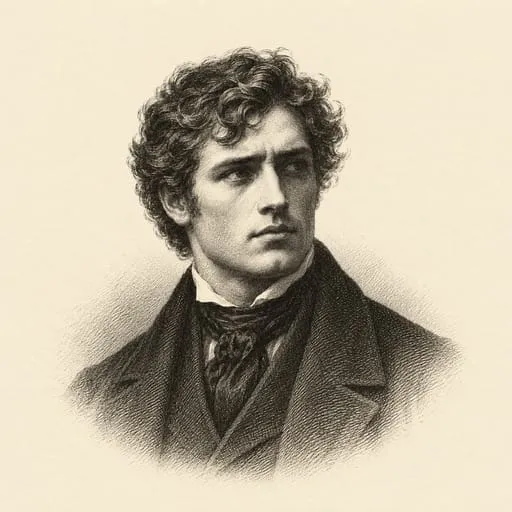
- Jonathan HarkerNow the father of a boy called Quincey, he records the friends' renewed happiness while acknowledging how little of their collected evidence would convince outsiders.First appears: Chapter 1
- Mina HarkerShe and Jonathan have a son called Quincey, and Jonathan reports her private belief that some of Morris's spirit has passed into their child.First appears: Chapter 1
- Count DraculaJonathan cuts his throat as Morris stabs his heart, and his body crumbles to dust while Mina sees a final look of peace on his face.First appears: Chapter 1
- The landladyThe elderly woman at the Golden Krone Hotel who begs Harker to delay his journey and puts her rosary and crucifix round his neck.First appears: Chapter 1
- The landlordThe Golden Krone's landlord, who receives Dracula's instructions to reserve Harker a coach seat but refuses to discuss the Count or his castle.First appears: Chapter 1
- The coach driverThe driver of the public coach, who races towards the Borgo Pass and urges Harker to continue to Bukovina before the Count's carriage arrives.First appears: Chapter 1
- Peter HawkinsAfter welcoming Jonathan and Mina into his home and telling them he has left them everything, he dies suddenly, leaving them grieving for him as a father.First appears: Chapter 2
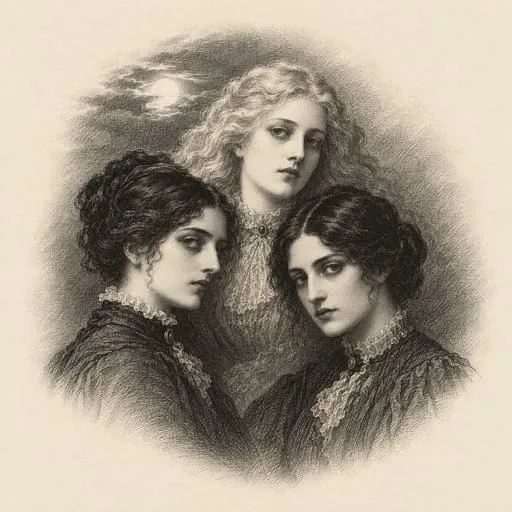
- The three womenAfter calling Mina their sister and failing to cross the sacred circle, they are staked and beheaded by Van Helsing, who sees them briefly at peace before they crumble to dust.First appears: Chapter 3
- The SzganyThey defend the wagon carrying Dracula's box, wound Morris as he forces his way through and flee after the Count's body disappears.First appears: Chapter 4
- The Slovak workmenWorkmen who deliver large wooden boxes to the castle and refuse to respond to Harker's calls for help after the Szgany leader speaks to them.First appears: Chapter 4
- The child's motherA distraught woman who demands her child at the castle door and whom Harker believes to have been killed by the wolves summoned by Dracula.First appears: Chapter 4
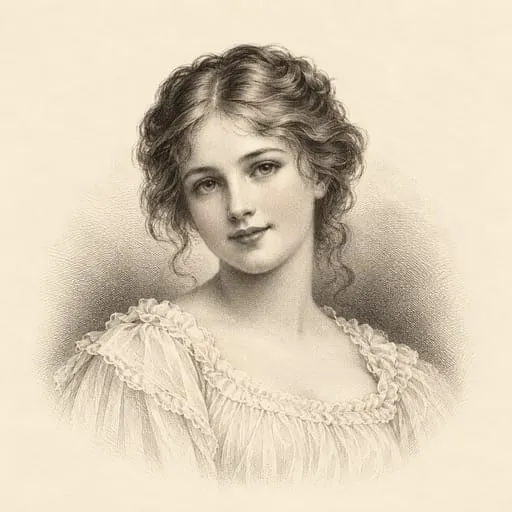
- Lucy WestenraAfter the men see her carrying a child with fresh blood on her lips, Arthur drives a stake through her heart and her face returns to the familiar appearance they associate with peace.First appears: Chapter 5
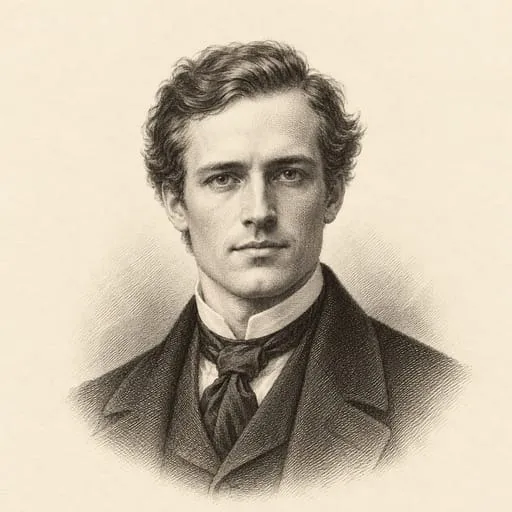
- Arthur Holmwood (Lord Godalming)Jonathan reports that he is happily married and can look back on their shared ordeal without despair.First appears: Chapter 5
- Dr John SewardJonathan reports that he is happily married and can look back on their shared ordeal without despair.First appears: Chapter 5
- Quincey P. MorrisDespite a severe wound, he helps Jonathan open the box and stabs Dracula's heart, then dies after seeing Mina freed from the curse and declaring the sacrifice worthwhile.First appears: Chapter 5
- R. M. RenfieldBriefly revived by an operation, he describes inviting Dracula in for promised lives and later resisting him to protect Mina, before Arthur reports his death.First appears: Chapter 5
- Mrs WestenraShe unknowingly undoes Van Helsing's treatment by removing the garlic and opening Lucy's window, then later dies in fright when a wolf breaks the window.First appears: Chapter 5
- Mr SwalesHe is found dead on the churchyard seat with a broken neck and a terrified expression, which the doctor attributes to his falling back in fright.First appears: Chapter 6
- The coastguardA man who talks with Mina at Whitby and watches a strangely steered ship which he thinks looks Russian as a storm approaches.First appears: Chapter 6
- The captain of the DemeterHis log records the crew's disappearances; after seeing a terrifying being, he resolves to stay with his ship and is later found dead at the wheel with his hands bound round a crucifix.First appears: Chapter 7
- The Demeter's first mateThe mate who dismisses the crew's fears, later reports that his knife passed through a pale figure and throws himself into the sea after searching the hold.First appears: Chapter 7
- Samuel F. BillingtonHe welcomes Jonathan to his home and gives him access to the papers that help trace Dracula's boxes from Whitby to London.First appears: Chapter 3
- Sister AgathaA sister at a Budapest hospital who writes to Mina on Jonathan's behalf and privately explains his illness, frightening delirium and need for careful nursing.First appears: Chapter 8
- Professor Abraham Van HelsingHe protects Mina with sacred circles and, roused from his fascination by her cry, destroys the three women and denies Dracula the shelter of his tomb and castle.First appears: Chapter 9
- Thomas BilderThe zoo's wolf keeper tells a reporter about a strange visitor and Bersicker's escape, then attributes the glass in the returning wolf's head to a wall topped with broken bottles.First appears: Chapter 11
- Mrs BilderThe keeper's hospitable wife joins in his joking conversation with the reporter and shows no fear when the escaped wolf returns.First appears: Chapter 11
- Dr Patrick HennesseyThe doctor left in charge during Seward's absence reports Renfield's attack on two carriers and records their names and addresses after settling their complaints with money and drink.First appears: Chapter 12
- Joseph SmolletCalled Joseph Smollet in Jonathan's account, he uses his notebook to identify two delivery addresses for the boxes and sends Jonathan Sam Bloxam's address.First appears: Chapter 12
- Thomas SnellingOne of two carriers employed by Harris and Sons who accept money and drink from Hennessey after Renfield attacks them outside the asylum.First appears: Chapter 12
- Mr MarquandMrs Westenra's solicitor explains her will and rejoices that Arthur inherits her estate, a professional satisfaction Seward finds limited beside the family's grief.First appears: Chapter 13
- Dr VincentA doctor at the North Hospital who shows Van Helsing and Seward a child's throat wounds and suggests that an animal, perhaps a bat, made them.First appears: Chapter 15
- Billington juniorBillington's son meets Jonathan at Whitby station and takes him to the family home, where Jonathan is welcomed for the night.First appears: Chapter 17
- ArminiusVan Helsing's friend at Budapest University, whose research leads the professor to suggest that the Count was the warrior Voivode Dracula.First appears: Chapter 18
- Sam BloxamA carrier who tells Jonathan that he moved nine boxes from Carfax to a house in Piccadilly with help from an exceptionally strong old man.First appears: Chapter 20
- The house agentA representative of Mitchell, Sons and Candy who initially confirms only that the Piccadilly house has been sold, then offers to consult his firm after Jonathan invokes Lord Godalming's interest.First appears: Chapter 20
- The locksmithA workman hired by Arthur and Morris who opens the Piccadilly house in full view of a policeman and supplies Arthur with a key.First appears: Chapter 22
- Captain DonelsonHe describes the ship's swift passage through concealing fog, recounts using force to stop Romanian sailors throwing the box overboard and produces Hildesheim's receipt for it.First appears: Chapter 24
- RisticsAn agent named in the shipping papers as the person authorised to receive Dracula's box at Varna.First appears: Chapter 24
- Rufus SmithA correspondent at Lloyd's in London who sends Arthur reports of the Czarina Catherine at the Dardanelles and later entering Galatz.First appears: Chapter 25
- Immanuel HildesheimAn agent in Galatz who, acting on instructions from Mr de Ville in London, receives Dracula's box before sunrise and hands it to Petrof Skinsky.First appears: Chapter 26
- Petrof SkinskyA man dealing with Slovak river traders who receives Dracula's box from Hildesheim and is later reported dead with his throat torn open.First appears: Chapter 26
- QuinceyMina and Jonathan's son, called Quincey in memory of Morris, has names linking the whole band of men and a birthday on the anniversary of Morris's death.First appears: Note
Themes
- Reason and superstition
- Religion and protection
- Foreignness and belonging
- Power and confinement
- Appearances and hidden danger
- Written records and knowledge
- Desire and danger
- Love, marriage and friendship
- Scientific ambition and responsibility
- Death and the value of life
Context
- Shorthand
- A system of abbreviated signs used to write quickly, rather than spelling out every word in full; Harker's journal is identified as being kept this way. Chapter 1
- Deeds
- Legal documents recording ownership of property; Harker and Dracula examine them as part of the purchase of Carfax. Chapter 2
- Letter of credit
- A document allowing a traveller to obtain money away from home; its loss removes one of Harker's means of supporting himself if he escapes. Chapter 4
- Phonograph
- A machine for recording and playing back sound; Seward speaks his diary rather than writing it on paper. Chapter 5
- An open verdict
- An inquest investigates a death; an open verdict leaves its cause or circumstances unresolved because the evidence is insufficient. Chapter 7
- Transfusion of blood
- A transfusion transfers blood into another person's circulation; here Arthur and Seward act as donors to replace blood Lucy has lost. Chapter 10
- Laudanum
- A preparation of opium in alcohol used as medicine; its sedative effect explains the servants' helpless sleep after drinking the sherry. Chapter 11
- Inquest
- An official inquiry into the circumstances and cause of a death; Seward fears that one would require Lucy's memorandum to be produced as evidence. Chapter 12
- Body-snatcher
- Someone who steals a corpse from a grave; Seward suggests this as a human explanation for the empty coffin. Chapter 15
- The Host
- The consecrated bread used in the Christian service of Holy Communion; Van Helsing mixes it into the material sealing the tomb's doorway. Chapter 16
- Skeleton keys
- Keys designed to open several locks rather than one particular lock; Seward uses them to enter Carfax without breaking a window. Chapter 19
- Stop the earths
- In fox-hunting, an earth is a fox's underground refuge; stopping the earths means blocking these shelters, the comparison used for denying Dracula access to his resting places. Chapter 22
- Festina lente
- Latin for 'make haste slowly': Van Helsing uses it to describe Dracula's patient, careful progress. Chapter 23
- Winchesters
- Repeating rifles that can fire several shots before reloading; Morris proposes taking them because of the possible danger from wolves. Chapter 24
- Burial Service
- Christian prayers and readings used at a funeral; Mina asks to hear them while she is still alive, making the familiar ceremony both disturbing and comforting. Chapter 25
Chapter summaries
Chapter 1
Harker's journal begins with train times, meals and information gathered from books and maps, presenting him as an observant traveller who wants to understand his surroundings. His division between West and East, and his descriptions of local people as barbarous, also expose the assumptions through which he judges what he sees. At Bistritz the hotelkeepers fear Dracula's name, and the landlady begs Harker to postpone his departure before giving him a crucifix. Harker calls her fears ridiculous but feels uneasy, allowing business duty to overrule his doubts. The public coach reaches the Borgo Pass early, where its driver suggests taking Harker onwards before the Count's carriage appears. During the next journey the strange driver's strength, repeated stops at blue flames and apparent command over wolves leave Harker terrified. The chapter ends at a dark, ruined castle, far from the familiar world that his opening travel notes describe.
Chapter 2
Dracula's warm rooms, food and courteous welcome briefly dispel Harker's fears, although the Count's cold grip and strange appearance disturb him. A letter from Peter Hawkins praises Harker's ability and explains why the newly qualified solicitor has been sent in his employer's place. Dracula has studied England through books and wants Harker to teach him to speak without being recognised as a foreigner, linking his wish to belong with his determination to remain master. They complete papers for the purchase of Carfax, an old, secluded estate at Purfleet with a chapel, whose age and gloom please the Count. Harker sees no servants or household mirrors, has not seen Dracula eat or drink, and finds his detailed journal a way to resist fear and keep to facts. When Dracula appears without a reflection and grabs at his throat after seeing his shaving cut, contact with the beads holding the crucifix abruptly calms him. The Count destroys the mirror, and Harker's subsequent discovery of locked doors and the precipice outside turns his position as a guest into that of a prisoner.
Chapter 3
Harker decides to conceal his fear and gather information, finding comfort in a crucifix he was taught to regard as idolatrous. Dracula's account of his ancestry celebrates conquest and presents his family as essential to the nation's leadership. His careful questions about English business arrangements sit beside his control of Harker's letters and insistence that he stay another month. When Harker sees Dracula crawl down the wall like a lizard, he questions whether his host is human. In an unused wing, he lies down to sleep against the Count's warning and describes an encounter with three women whose beauty awakens both desire and dread, although he cannot be sure he was awake. Dracula stops the fair-haired woman as her teeth touch Harker's throat, but claims ownership of him and promises the women access to him when his own work is done. The women disappear with a bag from which Harker hears what sounds like a child's cry, and he later turns to accurate diary writing to calm his fear of madness.
Chapter 4
Dracula makes Harker prepare letters dated in advance that falsely describe his departure, turning his correspondence into evidence that could conceal his captivity. Harker's attempt to send secret messages through the Szgany fails, his papers and travelling clothes disappear, and he sees Dracula go out dressed as him, which he believes will make others attribute the Count's actions to him. A woman comes to demand her child, but Dracula calls wolves into the courtyard and Harker concludes that she has died. Climbing to Dracula's window, Harker reaches a ruined chapel and finds him lying without detectable signs of life in a box of newly dug earth. Dracula later offers to let him leave while wolves crowd the doorway, forcing Harker to ask him to shut it, and Harker then hears him promise the women the following night. On returning to the chapel, Harker finds the Count looking younger and bloodstained, searches unsuccessfully for the key and strikes him with a shovel, fearing what Dracula might do in London after the move Harker has helped to arrange. Trapped again as the workmen move the boxes and depart, Harker resolves to take some gold and try a more difficult descent of the wall, accepting the risk of death.
Chapter 5
Mina's letter introduces an assistant schoolmistress who practises shorthand and typing to help her future husband, while also planning a journal modelled on women's journalism. Her report that Jonathan is well and soon returning contrasts with the captivity described in his journal. Lucy tells Mina that she has received three proposals in one day and chosen Arthur Holmwood over Dr John Seward and Quincey Morris. Her happiness is mixed with distress at hurting the other men, and her wish to marry all three is immediately checked as heresy. Both rejected suitors offer friendship, and Morris's invitation to Arthur and Seward shows affection surviving romantic rivalry. Seward's phonograph diary gives a different view of rejection, recording his loss of appetite and his attempt to escape unhappiness through work. His admission that he has questioned Renfield cruelly raises doubts about the effect of his private distress on his medical judgement.
Chapter 6
Mina describes Whitby's harbour, ruined abbey and cliffside churchyard, where Mr Swales disputes local legends and calls the tombstone inscriptions lies. His stories question the authority of public memorials, while Mina questions a brief letter in Jonathan's handwriting because its wording does not sound like him. Seward's diary traces Renfield's collection of flies, spiders and birds, including an attendant's belief that he has eaten the birds after being refused a cat. After drugging Renfield and taking his notebook, Seward interprets the feeding pattern as an attempt to accumulate lives and imagines extending the experiment to advance knowledge of the brain. His scientific ambition sits uneasily beside his power over a patient, and his continued grief over Lucy makes his account personal as well as clinical. Mina locks the bedroom door to protect the sleepwalking Lucy, but grows nervous and wakeful herself while waiting for news of Jonathan. Swales's admission that he jokes to comfort himself about death changes the tone of their conversations, and the approaching storm and oddly steered ship leave Mina facing fresh uncertainty.
Chapter 7
A newspaper cutting describes a storm transforming Whitby's holiday scene and the arrival of the Demeter, whose dead captain is tied to the wheel with a crucifix held against it. A huge dog escapes from the ship, whose cargo consists of wooden boxes filled with earth. The captain's log records disappearing sailors and the first mate's change from angry disbelief to terror before he jumps into the sea. The captain first suspects the mate of killing the men, but after seeing the being himself he resolves to stay with his ship and trust in sacred protection. The correspondent suggests madness as an explanation and acknowledges that the log reaches him through translation, making the report's authority less secure. Mina describes Lucy dressing in her sleep during the storm and remaining uneasy at the captain's funeral. Swales's unexplained fright and death, together with a dog's terror near the women's churchyard seat, disturb the familiar place where they have spent their days.
Chapter 8
Searching for the missing Lucy, Mina sees a dark figure with a white face and red eyes bending over her in the churchyard, but finds her alone and asleep when she reaches the seat. She brings Lucy home, promises secrecy to protect her friend's reputation and her mother's health, and attributes two small throat wounds to her own safety-pin. Lucy's renewed sleepwalking, gasping and increasing weakness resist Mina's reassuring explanations, although she later appears brighter and describes the churchyard experience as both sweet and bitter. Mrs Westenra privately reveals that her heart is failing and a sudden shock could kill her, making Mina's care involve keeping distressing information from both mother and daughter. Sister Agatha's letter reports Jonathan's recovery from brain fever after a terrible shock, and Mina prepares to travel to him. Business letters arrange and confirm delivery of fifty boxes to the chapel at Carfax, giving the reader information outside Mina's journal. Seward interprets Renfield's talk of a Master as religious mania, finds him at that chapel's door after his escape and has him confined after a violent struggle, while keeping his diary helps him settle after the excitement.
Chapter 9
Mina's letter describes her bedside marriage to Jonathan, who cannot tell whether his terrible experiences were real and gives her his notebook. She seals it with her wedding ring, making an unread record a sign of mutual trust rather than a source of answers. Lucy's cheerful letter about Arthur and their wedding plans contrasts with diary entries describing fear, weakness and sounds at her window. Seward's diary records Renfield's further escape to the chapel, his changing attachment to his creatures and outbursts whose timing Seward cannot explain. Asked by Arthur to examine Lucy without alarming her mother, Seward finds that her blood appears normal and provisionally attributes her illness to a mental cause. He brings in Van Helsing, whose examination confirms unexplained blood loss but who withholds a firm explanation and requests daily telegrams. The closing change from reassuring updates to an urgent summons exposes how uncertain the apparent recovery has been.
Chapter 10
Van Helsing urges Seward to record even uncertain observations, while keeping his own developing ideas private. Finding Lucy dangerously short of blood, he performs a transfusion from Arthur, whose willingness to sacrifice himself becomes a physical act of care. Seward finds two punctures in Lucy's throat but dismisses them as an explanation for her blood loss because the bed has not been drenched in blood. Lucy admits that she fears sleep, then rests peacefully while Seward watches; on the following night he is exhausted and sleeps nearby, and the doctors find her gravely weakened again in the morning. A second transfusion from Seward restores some strength, but Van Helsing orders him to conceal it from Arthur to avoid fear and jealousy. Van Helsing then rubs garlic flowers around the windows, doorway and fireplace and hangs a wreath round Lucy's neck, calling it medicine while allowing that he may be working a protective spell. His confidence does not remove Seward's fear, and the unexplained treatment tests the trust on which their care depends.
Chapter 11
Lucy welcomes the peace brought by the garlic, but her mother unknowingly removes it and opens the window, after which the doctors find Lucy dangerously pale again. Van Helsing breaks down at the harm caused by this well-meant care, gives Lucy his own blood and then watches over several peaceful nights. A newspaper interview describes a red-eyed stranger calmly stroking a zoo wolf, which later escapes and returns with glass embedded in its head. Renfield attacks Seward with a knife and laps up his blood, turning the substance given to preserve Lucy's life into something seized by violence. A misdirected telegram keeps Seward from knowing that Van Helsing needs him to watch Lucy that night. Lucy's memorandum describes a wolf breaking her window and her terrified mother tearing away the garlic wreath before dying, followed by circling specks and Lucy's loss of consciousness. Finding the servants drugged with laudanum, Lucy records the events to protect others from blame, making writing a final effort of care while she fears that she is dying.
Chapter 12
Seward and Van Helsing break into Hillingham and find Lucy barely alive beside her dead mother, then rouse three drugged servants to help warm her. Morris gives blood when the doctors are too exhausted to donate again, then asks how Lucy can have lost so much without anyone knowing where it went. The doctors read her memorandum but arrange a certificate naming her mother's heart disease as the cause of death to avoid an inquest, and Van Helsing later saves the paper when Lucy tears it in her sleep. Mina's unopened letters describe the Harkers' welcome home and Hawkins's sudden death, revealing that her belief in Lucy's happiness rests on ignorance of her friend's suffering. Hennessey's report adds another unexplained event, Renfield's attack on carriers taking wooden boxes from the neighbouring house. Despite constant watching, Lucy weakens, her teeth appear longer and sharper, she rejects the garlic while asleep but clutches it while awake, and her throat wounds disappear as death approaches. Van Helsing stops Arthur responding to her changed, sensuous request for a kiss, promises the lucid Lucy protection for Arthur and peace for herself, and then denies that her death is the end.
Chapter 13
Lucy's renewed beauty after death unsettles Seward and Arthur, while Van Helsing places garlic around her and a crucifix over her mouth. He proposes secretly removing her head and heart, answers Seward's objections by asking for trust and then postpones the operation after the crucifix is stolen. Mrs Westenra's solicitor explains that Arthur inherits her estate, and Arthur authorises Van Helsing to keep Lucy's papers without yet showing them to him. After Lucy and her mother are buried, Arthur's belief that his blood donation made Lucy his wife prompts Van Helsing to point out privately that the other donors complicate that idea. Mina records Jonathan's terrified belief that he has seen a younger-looking Count in Piccadilly and resolves to read his sealed notebook, before receiving news of Lucy's death. Seward ends his diary as though his story is finished, but the newspaper cuttings that follow describe children with throat wounds, leaving the chapter open to a new mystery.
Chapter 14
Mina reads Jonathan's journal and prepares a typed copy so that others can read it if duty requires, without making him repeat his distressing experiences. Following clues in Lucy's papers, Van Helsing visits her, reads her account of Whitby and takes away Jonathan's journal too. His written assurance that Jonathan's experiences were real relieves Mina's doubts and restores Jonathan's confidence in his own senses. Jonathan gives him papers about the business that took him to Transylvania and promises further help against the Count. Returning to Seward, Van Helsing connects the reports of injured children with Lucy's throat wounds, but rejects Seward's assumption that the same attacker directly caused both. He challenges the habit of dismissing whatever current knowledge cannot explain, secures Seward's willingness to reconsider his beliefs and ends by declaring that Lucy herself made the children's wounds.
Chapter 15
Seward angrily rejects Van Helsing's claim that Lucy wounded the children, but agrees to examine a child whose throat punctures resemble hers; Dr Vincent suggests an animal bite. At the tomb they find an empty coffin, yet Seward insists that this alone cannot establish what happened to the body. During their watch he glimpses a white figure, and Van Helsing finds an unharmed child whom they leave on a path, watching until a policeman discovers it. The next day Lucy's body is back in the coffin, beautiful and with sharper teeth, and Seward begins to accept Van Helsing's account of the Un-Dead before returning to doubt after sleep. Van Helsing postpones destroying her because Arthur needs to witness the evidence himself to avoid lasting uncertainty about her death and their actions. An undelivered note in Van Helsing's bag describes the risks of his solitary vigil and instructs Seward to use the journals to find and destroy the vampire who made Lucy Un-Dead should Van Helsing die. At the meeting with Arthur and Morris, Arthur's duty to protect Lucy's grave clashes with Van Helsing's claim of a wider duty, though the professor's account of his sacrifices persuades Arthur to come and wait.
Chapter 16
The four men find Lucy's coffin empty, and Van Helsing seals the tomb's doorway with a mixture containing the Host while they wait outside. Lucy returns carrying a child, with blood on her lips; Seward describes her changed appearance with horror, says his love becomes hatred, and watches her throw the child to the ground. She invites Arthur into an embrace, but Van Helsing intervenes with a crucifix, and the sealed doorway prevents her retreat. After Arthur consents to his work, Van Helsing removes part of the barrier and Lucy passes through a gap scarcely wide enough for a knife blade; the men return the next day. Van Helsing explains that destroying the Un-Dead Lucy will free her soul and protect the children, then asks Arthur to drive a stake through her heart while the others pray. Her familiar expression returns after the violent ordeal, Arthur thanks the professor for giving him peace, and Seward and Van Helsing remove her head and fill her mouth with garlic before closing the coffin. The men pledge to find and destroy whoever caused their suffering, making their new belief a shared obligation to act.
Chapter 17
Mina arrives at Seward's asylum and persuades him to share his phonograph diary, arguing that their struggle requires trust and complete knowledge. Hearing the grief in his voice, she types the words so that others can read the evidence without hearing his private anguish. She learns about Lucy's death and the events at the tomb, then works with Jonathan to arrange the documents chronologically, enabling Seward to connect Dracula's neighbouring house with Renfield's outbursts. Renfield appears calm and expects his release, but Seward now treats his composure with suspicion. Jonathan follows shipping papers and carriers' records to establish that all fifty boxes reached Carfax's chapel, while recognising that some have since been removed. Mina's fears that the investigation might damage Jonathan's health give way to relief at his renewed energy and determination. When Arthur and Morris arrive, she gives them copies of the evidence and offers personal sympathy, making shared grief another bond within the group.
Chapter 18
Renfield speaks courteously with Mina, presents his belief in consuming life as a past error despite having just swallowed his creatures, and warns her not to stay. With the records assembled, Van Helsing leads the group in a pledge against Dracula and draws on both their experiences and traditional beliefs to describe the vampire's powers and restrictions. He suggests that Dracula was a warrior identified through Arminius's research and proposes tracing the boxes so that they can attack him or make his resting earth unusable. Morris interrupts the discussion by shooting at a bat outside, sends a bullet into the room and reports that the bat flew away. Despite praising Mina's intelligence and relying on her records, Van Helsing insists that she withdraw for her protection, and she accepts reluctantly while fearing that concern for her may weaken the men. Before the men leave for Carfax, Renfield begs to be taken elsewhere, even under restraint or to prison, claiming a duty to others but saying he is not free to explain his full reasons. Seward increasingly interprets his desperate appeals as signs of madness, leaving unresolved the conflict between the patient's claimed sense of duty and the doctor's authority to confine him.
Chapter 19
Armed with sacred objects, weapons and electric lamps, the men enter Carfax and discover that twenty-one boxes have been removed. Jonathan momentarily thinks he sees the Count's face in the shadows but finds no one, and Arthur's terriers drive away the rats that swarm into the chapel. Van Helsing treats the search as a success and celebrates having spared Mina its horrors, while Jonathan resolves to stop sharing information with her. Her own journal reveals the distress concealed by this supposed protection, including her decision to hide her tears from Jonathan. She describes mist approaching the house and, in what she calls a dream, pouring through her door before red eyes and a white face appear while she cannot move. The account places the men's confidence beside an experience they have not heard, making the limits of their shared knowledge clear. Still weak after further sleep, Mina takes Seward's sleeping draught but fears that she has deprived herself of the ability to wake when needed.
Chapter 20
Smollet's notebook and Bloxam's account enable Jonathan to trace the delivery of all twenty-one boxes removed from Carfax to addresses in Mile End, Bermondsey and Piccadilly. Bloxam's description of the Count lifting the boxes convinces Jonathan that Dracula can handle the earth-boxes himself, making the search urgent. Payments secure information from workers, while invoking Lord Godalming's name changes an uncommunicative house agent's attitude; the firm's letter names the Piccadilly purchaser as Count de Ville. Although Jonathan recognises Mina's distress, he maintains silence towards her, and the men postpone entering the Piccadilly house because of the difficulty of committing burglary there. Seward deliberately distresses Renfield with questions about souls and interprets his confidence about obtaining life as evidence of a new promise from the Count. Renfield then resumes fly-catching and refuses to discuss the subject, while the attendant assigned to watch him admits to dozing. Seward's hopeful assessment of the hunt is abruptly interrupted by a report that Renfield has been found covered in blood, leaving the cause unknown.
Chapter 21
Van Helsing operates on the dying Renfield, whose testimony reveals that Dracula gained entry by offering the lives he desired. Recognising that Mina was losing blood, Renfield turned against Dracula and tried to hold him back, transforming his wish to accumulate life into an effort to protect another person. The men break into the Harkers' room and find Jonathan in a stupor while Dracula forces Mina's mouth against a wound in his breast. The Sacred Wafer and crucifixes halt Dracula; after he escapes as vapour, Arthur reports that he has burned the manuscripts and phonograph cylinders, though a copy remains safe. Mina calls herself unclean and fears harming Jonathan, whose embrace and refusal to accept her judgement affirm his loyalty. At Van Helsing's insistence that there be no more concealment, Mina describes Dracula drinking her blood, threatening Jonathan and claiming that she must become his obedient helper. Her account presents the blood exchange as enforced submission, while the renewed demand for shared knowledge acknowledges the danger of secrecy.
Chapter 22
Seward proposes recording Renfield's death as an accident, exposing a gap between the group's private knowledge and an account that public authorities might accept. The friends agree to tell Mina everything and restore her work as keeper of their records, while Van Helsing warns that dying before Dracula is destroyed would make her Un-Dead. She promises to strive to live and persuades Jonathan to join the search rather than remain beside her. When the Sacred Wafer burns her forehead, she interprets the wound as divine rejection, but Van Helsing insists that her heart is pure and the friends renew their pledge of loyalty. Jonathan privately resolves that, if Mina must become a vampire, she will not face that fate alone, making love a possible route into the danger they oppose. The men place pieces of the Host in the boxes at Carfax, then gain entry to Piccadilly through a locksmith whose apparently ordinary work attracts no interference. They treat eight boxes but find one missing, and the discovery of deeds and keys sends Arthur and Morris to the other addresses while Jonathan and the doctors wait.
Chapter 23
While they wait, Van Helsing argues that Dracula is learning to use his powers through experiment, making delay dangerous despite the limits of his knowledge. Mina's telegram warns that the Count is on the move, and Arthur and Morris then return after dealing with the twelve boxes at the other London houses. At Piccadilly Jonathan attacks him with a knife, cutting his coat and spilling money, but Dracula recoils before sacred objects and escapes through a window after gathering some of the cash. His threat of revenge across centuries asserts his command of time, while Van Helsing reads his haste and need for money as signs of fear and dependence. When the men report everything to Mina, she challenges their hatred by presenting destruction of the vampire as release for his soul, then asks Jonathan to imagine her own possible need for mercy. At her suggestion, Van Helsing hypnotises her before dawn, and her report of water, moving men and a chain leads him to infer that Dracula is leaving aboard a ship with his remaining earth-box. Mina faints when Van Helsing explains that her mortal lifespan makes continued pursuit necessary despite Dracula's departure.
Chapter 24
Van Helsing reports how shipping records and wharf witnesses led the men to the Czarina Catherine, whose papers direct that Dracula's box be landed at Varna and handed to an agent named Ristics. He warns that Mina's eventual death would make her like Dracula even without another attack, and combines speculation about the Count's powers with a religious duty to save her and protect humanity. Seward suspects that Mina's silences are compelled, and Van Helsing's observations of sharper teeth and harder eyes accompany his fear that Dracula may extract the group's plans from her mind. They agree to exclude her, but she independently withdraws from discussion and makes Jonathan promise secrecy, which he experiences as a door closing between them. At sunrise Mina insists on travelling with the group, saying that Dracula can compel her to join him secretly and that her hypnotic trances can still help the pursuit. Van Helsing agrees and sets departure for the next morning, planning to reach Varna ahead of the ship and use a wild rose to keep Dracula in the box, while Morris pledges immediate action regardless of danger to himself. Jonathan makes his will and continues recording what Mina must not hear, preserving an account that he hopes she may eventually read.
Chapter 25
Mina refuses immediate death while hope and duty remain, but asks her friends to promise to kill her and release her soul if her transformation makes that necessary. Morris promises to act even if he is only doubtful, and the scene makes loyalty involve a frightening power over the person being protected. At Mina's request Jonathan reads the Burial Service over her, offering religious comfort while she is still alive. In Varna, the men arrange access to Dracula's box and prepare to destroy him, relying on money and official cooperation while recognising that their actions could be judged as murder. Mina's growing lethargy worries Seward and Van Helsing, and Seward's relief at the word 'euthanasia' shows language making a possible killing easier to contemplate. The ship's arrival at Galatz overturns their plans, but Mina's knowledge of train timetables immediately helps them prepare to follow. Van Helsing interprets her increased freedom as Dracula cutting himself off from her mind, and he and Mina use the earlier records to argue that the Count's habitual, selfish retreat leaves them a chance to pursue him.
Chapter 26
Mina becomes increasingly difficult to hypnotise, and Seward fears that the group's means of following Dracula may fade without freeing her from his power. A receipt signed by Hildesheim and his subsequent testimony trace the box to Petrof Skinsky, but a report that Skinsky has been found with his throat torn open leaves the men without a witness to its onward journey. Restored to the group's confidence, Mina compares the records, her trance reports and maps, suggesting a route by the Sereth and Bistritza and reconstructing Skinsky's death as Dracula's attempt to hide his tracks. Arthur and Jonathan pursue by steam launch, Seward and Morris watch the riverbank on horseback, and Van Helsing plans to make the castle unusable while keeping Mina out of it, calming Jonathan's alarm. Money rapidly provides transport and equipment, while Arthur's willingness to keep watch lets the exhausted Jonathan recover strength. The boat party uses a Romanian flag to encourage the belief that they have government authority, yet reports of a faster boat do not establish which river it took. The closing journal entries describe a launch repaired after an accident but still stopping, snow threatening the riders, and Mina at Veresti preparing to travel on after a trance yielding only 'dark and quiet'.
Chapter 27
As Mina and Van Helsing approach the castle, her deep daytime sleep, refusal of food and the failure of hypnosis make him fear that she is changing. A circle marked with the Sacred Wafer confines Mina as well as protecting her, but she recoils from the women's invitation and warns Van Helsing to stay inside. Jonathan's diary guides Van Helsing through the castle, and Mina's distant cry rouses him from his fascination with the women so that he can destroy them and bar Dracula from his tomb and castle. He describes the work as butchery, yet understands the women's brief peace before they crumble as the rescue of their souls. The pursuing parties converge on the Szgany wagon near sunset, and Jonathan cuts Dracula's throat while the wounded Morris drives his knife into the heart. The violent climax ends with Mina seeing peace on Dracula's face as he crumbles to dust. Her forehead loses its scar and she can cross the sacred circle, but Morris dies from his wound after declaring that her deliverance makes his sacrifice worthwhile.
Note
Jonathan's closing note looks back across seven years and describes happiness that the survivors believe has justified their suffering. Mina and Jonathan's son shares the anniversary of Morris's death as his birthday, and his names connect him with the men who helped save her. Jonathan reports Mina's belief that some of Morris's spirit has passed into the child, making remembrance part of family life without presenting that belief as proven fact. A return to Transylvania leaves the castle standing but no visible trace of their experiences, while Godalming's and Seward's happy marriages show lives continuing after loss. On examining the papers, Jonathan acknowledges that the largely typed record offers little original documentary evidence to persuade anyone outside the group. Van Helsing closes by valuing the child's eventual understanding of his mother's courage and the men's love, giving the record a purpose within the family even without public proof.
Key quotes
The impression I had was that we were leaving the West and entering the East;
Harker turns a geographical journey into a division between two worlds. The phrase "The impression I had" reminds us that this division belongs to his point of view.
Foreignness and belongingWritten records and knowledge
However, there was business to be done, and I could allow nothing to interfere with it.
Harker treats professional duty as a reason to dismiss the landlady's warning. His firm declaration sits uneasily beside his admission that he does not feel comfortable.
Reason and superstitionReligion and protection
For myself, I felt a sort of paralysis of fear.
Surrounded by wolves, Harker describes fear as momentarily paralysing, though he then shouts and beats the carriage to try to help the driver reach him. The driver's command over the animals contrasts with Harker's desperate efforts.
Power and confinement
Here I am noble; I am boyar; the common people know me, and I am master.
The repeated "I am" makes Dracula's authority central to his sense of himself. His concern about being a stranger in England grows out of the fear of losing that recognised power.
Foreignness and belongingPower and confinement
But there was no reflection of him in the mirror!
Harker checks what he sees before reporting an impossibility. The mirror exposes something that the Count's courteous conversation and hospitality cannot explain.
Reason and superstitionAppearances and hidden dangerWritten records and knowledge
The castle is a veritable prison, and I am a prisoner!
The final sentence gives a clear name to Harker's situation after the uncertainty of his earlier observations. It also exposes the limits of Dracula's invitation to enter freely and leave safely.
Power and confinementAppearances and hidden danger
And yet, unless my senses deceive me, the old centuries had, and have, powers of their own which mere “modernity” cannot kill.
Harker sets his modern shorthand diary against forces that his familiar habits cannot explain. The qualification about his senses shows that he still tests his own observations.
Reason and superstitionWritten records and knowledge
There was something about them that made me uneasy, some longing and at the same time some deadly fear.
Longing and fear occupy the same sentence, making the women's attraction part of their danger. Harker's account of the encounter refuses a simple division between pleasure and terror.
Desire and dangerAppearances and hidden danger
This man belongs to me!
Dracula's intervention asserts possession of Harker. His promise to let the women kiss Harker afterwards makes that protection temporary and dependent on his own purposes.
Power and confinementDesire and danger
Your letters are sacred to me.
Dracula says this immediately after burning the letter in shorthand. His polite claim to respect Harker's privacy contradicts his interception and destruction of private correspondence.
Written records and knowledgeAppearances and hidden dangerPower and confinement
He lay like a filthy leech, exhausted with his repletion.
The simile reduces the nobleman to a blood-feeding creature. Harker's disgust grows into an attempt to kill him when he imagines the danger Dracula could bring to London.
Appearances and hidden dangerForeignness and belonging
At least God’s mercy is better than that of these monsters, and the precipice is steep and high.
Harker turns to divine mercy as he contemplates a descent that could kill him. The closing appeal shows how captivity has made even a fatal fall seem preferable to remaining.
Religion and protectionPower and confinement
I shall try to do what I see lady journalists do: interviewing and writing descriptions and trying to remember conversations.
Mina treats observation and accurate recording as skills she can learn. Her interest in journalism gives her proposed diary a purpose beyond helping Jonathan with his work.
Written records and knowledge
Why can’t they let a girl marry three men, or as many as want her, and save all this trouble?
Lucy's question comes from pity for the men she must refuse. Her immediate dismissal of the idea as heresy shows how quickly she checks a wish that challenges accepted marriage rules.
Love, marriage and friendship
In my manner of doing it there was, I now see, something of cruelty.
Seward recognises cruelty in his questioning of a patient he wants to understand. His self-criticism exposes a conflict between the pursuit of knowledge and responsibility towards someone in his care.
Scientific ambition and responsibilityPower and confinementWritten records and knowledge
It does not read like him, and yet it is his writing.
Mina distinguishes the physical evidence of Jonathan's handwriting from the unfamiliar voice of the letter. Dracula's earlier control of Jonathan's letters shows how real handwriting can carry a misleading message.
Written records and knowledgeAppearances and hidden dangerPower and confinement
It would almost be worth while to complete the experiment.
Seward moves from observing Renfield's feeding pattern to imagining how he could extend it. His attraction to the knowledge it might produce exposes the danger of treating a patient as an experiment.
Scientific ambition and responsibilityPower and confinementDeath and the value of life
For life be, after all, only a waitin’ for somethin’ else than what we’re doin’; and death be all that we can rightly depend on.
Swales replaces his earlier mockery with an admission of life's uncertainty and death's certainty. His gentler manner reveals his wish to comfort himself, although he insists that he is not afraid to die.
Death and the value of lifeReason and superstition
unsteered save by the hand of a dead man!
The hand that should guide the ship belongs to a corpse. This impossible-looking arrival turns the harbour's promise of safety into a source of collective fear.
Appearances and hidden dangerDeath and the value of lifeReason and superstition
But I am captain, and I must not leave my ship.
The captain's repeated assertion of duty answers his terror without removing it. His decision to bind himself to the wheel with sacred protection joins professional honour to faith.
Religion and protectionDeath and the value of life
It almost seems as though the captain had been seized with some kind of mania before he had got well into blue water,
The correspondent offers madness as a possible explanation before presenting the captain's account. His cautious wording leaves readers to assess the difference between the witness's experience and the reporter's interpretation.
Reason and superstitionWritten records and knowledge
I was filled with anxiety about Lucy, not only for her health, lest she should suffer from the exposure, but for her reputation in case the story should get wind.
Mina treats social judgement as a danger alongside physical illness. Her wish to protect Lucy helps explain the secrecy that limits who knows about the night in the churchyard.
Love, marriage and friendshipAppearances and hidden dangerWritten records and knowledge
and something very sweet and very bitter all around me at once;
Lucy's opposed sensations make pleasure and fear coexist in her uncertain memory. Her account adds an inward experience to Mina's observations without identifying the dark figure.
Desire and dangerWritten records and knowledge
I am here to do Your bidding, Master. I am Your slave, and You will reward me, for I shall be faithful.
Renfield presents obedience as a bargain for reward. The repeated claims of service suggest a chosen submission, even as his escape ends in physical restraint by Seward's men.
Power and confinementReligion and protection
Are you willing, Wilhelmina, to share my ignorance?
Jonathan allows Mina to read the notebook but asks not to hear its contents unless duty requires it. Mina's choice to seal it makes her willingness to share his ignorance a sign of trust in their marriage.
Love, marriage and friendshipWritten records and knowledge
As soon as the door was closed, however, the mask fell from her face,
Seward describes Lucy's cheerfulness as a mask that she drops in private. Her effort to spare her mother anxiety makes her outward manner an unreliable guide to her health.
Appearances and hidden dangerLove, marriage and friendship
And yet there is cause; there is always cause for everything.
Van Helsing insists that an unexplained illness still has a cause. His certainty about that principle accompanies an admission that he must go home and think, leaving the diagnosis open.
Reason and superstitionScientific ambition and responsibility
I counsel you, put down in record even your doubts and surmises.
Van Helsing treats uncertainty as evidence worth preserving. His advice gives Seward's diary a medical purpose beyond remembering events or expressing private feelings.
Written records and knowledgeScientific ambition and responsibility
No man knows, till he experiences it, what it is to feel his own lifeblood drawn away into the veins of the woman he loves.
Seward's medical account becomes a declaration of love. The transfer of blood makes his care bodily and costly, even though Lucy has chosen Arthur as her husband.
Love, marriage and friendshipDeath and the value of life
We must obey, and silence is a part of obedience; and obedience is to bring you strong and well into loving arms that wait for you.
Van Helsing connects promised recovery and marriage with obedience to his instructions. His wish to protect Lucy also gives him control over what she does and tells others.
Power and confinementScientific ambition and responsibilityLove, marriage and friendshipWritten records and knowledge
This poor mother, all unknowing, and all for the best as she think, does such thing as lose her daughter body and soul;
Van Helsing separates the mother's loving intention from the danger of her actions. His claim that warning her could kill her exposes the cost of protecting someone by keeping them uninformed.
Love, marriage and friendshipWritten records and knowledgeDeath and the value of life
The blood is the life!
Renfield repeats this after licking Seward's blood from the floor. His violent taking of blood contrasts with the doctors' willingness to give it to keep Lucy alive.
Death and the value of lifeScientific ambition and responsibilityLove, marriage and friendship
This is an exact record of what took place tonight.
Lucy insists on accuracy even when she barely has strength to write. Her wish to prevent others being blamed gives the memorandum a purpose beyond expressing her own fear.
Written records and knowledgeLove, marriage and friendshipDeath and the value of life
What took it out?
Morris turns the repeated transfusions into a question about the missing blood. His practical reasoning exposes the limit of treatment that replaces the loss without explaining it.
Scientific ambition and responsibilityReason and superstitionDeath and the value of life
the strain of keeping up a brave and cheerful appearance to Jonathan tries me
Mina's effort to sustain Jonathan leaves her hiding her own distress, with no one nearby to confide in. The unopened letter reveals to the reader the strain that she conceals from her husband.
Written records and knowledgeLove, marriage and friendshipAppearances and hidden danger
Their eyes met instead of their lips; and so they parted.
The restrained farewell follows Van Helsing's violent interruption of Lucy's invitation to kiss her. Affection remains possible, but physical intimacy has become something he treats as dangerous.
Love, marriage and friendshipDesire and dangerDeath and the value of life
It is not well that her very thoughts go into the hands of strangers.
Van Helsing treats Lucy's private writing as something to protect as well as evidence to examine. His later request to keep it even from Arthur shows how this protection also controls access to knowledge.
Written records and knowledgePower and confinementLove, marriage and friendship
Jack, is she really dead?
Lucy's restored beauty makes Arthur doubt the fact of her death. Seward reassures him with a medical explanation, although he too has found her appearance frightening.
Appearances and hidden dangerDeath and the value of lifeReason and superstition
If so that, then what about the others?
Van Helsing's grim joke applies Arthur's comforting idea of blood as marriage to every donor, making Lucy a wife to several men and himself a bigamist. His explanation of laughter as relief from unbearable strain places the joke within his grief rather than treating it as simple amusement.
Love, marriage and friendshipDeath and the value of lifeScientific ambition and responsibility
Then we shall be ready for other eyes if required.
Mina turns a private shorthand record into a document others can read. Her practical work makes it possible to compare separate experiences while sparing Jonathan repeated questioning.
Written records and knowledgeLove, marriage and friendship
But, now that I know, I am not afraid, even of the Count.
Jonathan finds relief in having his terrifying account believed. Certainty about danger restores his ability to act, whereas doubt about his own senses had left him helpless.
Written records and knowledgeReason and superstitionPower and confinement
Ah, it is the fault of our science that it wants to explain all; and if it explain not, then it says there is nothing to explain.
Van Helsing argues that science can mistake the limits of its explanations for the limits of reality. Seward's difficulty following his extraordinary examples shows the strain between openness to new beliefs and a demand for a clear argument.
Reason and superstitionScientific ambition and responsibility
I am satisfied that Lucy’s body is not in that coffin; but that only proves one thing.
Seward separates an observation from the explanation Van Helsing wants him to accept. His caution tests the evidence, although his diary also admits how strongly he resists the conclusion.
Reason and superstitionScientific ambition and responsibility
Take the papers that are with this, the diaries of Harker and the rest, and read them,
Van Helsing leaves the records as instructions for someone who may have to continue without him. Private experiences have become evidence that can preserve knowledge beyond an individual witness's death.
Written records and knowledgeDeath and the value of life
I have a duty to do in protecting her grave from outrage; and, by God, I shall do it!
Arthur understands loyalty as protecting Lucy's body from interference. Van Helsing answers with his own declaration of duty, making their disagreement a conflict between two claims to act for her good.
Love, marriage and friendshipScientific ambition and responsibilityReligion and protection
My arms are hungry for you.
Lucy's invitation gives an embrace the language of appetite. The tender gesture becomes threatening, and Arthur's response shows how desire can weaken his resistance to danger.
Desire and dangerLove, marriage and friendshipAppearances and hidden danger
driving deeper and deeper the mercy-bearing stake, whilst the blood from the pierced heart welled and spurted up around it.
Seward calls the stake merciful while describing the blood and force of the act. His language presents the violence as rescue, following Van Helsing's promise that it will release Lucy's soul.
Death and the value of lifeReligion and protectionScientific ambition and responsibility
And since so, do we not see our duty?
Van Helsing makes accepting the evidence a reason to act. The men's promise turns their private loss into a shared obligation to confront the source of the harm.
Reason and superstitionLove, marriage and friendshipDeath and the value of life
That is a wonderful machine, but it is cruelly true.
Mina hears suffering in the recorded voice as well as information in the words. Her typed version preserves the evidence while shielding Seward's private grief from further listeners.
Written records and knowledgeLove, marriage and friendship
We need have no secrets amongst us; working together and with absolute trust, we can surely be stronger than if some of us were in the dark.
Mina makes sharing knowledge a practical source of strength. The connections revealed by putting the records together support her argument that isolated witnesses have been at a disadvantage.
Written records and knowledgeLove, marriage and friendshipPower and confinement
She and I were like sisters; and now she is gone, will you not let me be like a sister to you in your trouble?
Mina offers Arthur a family bond through their shared love for Lucy. His willingness to weep with her makes emotional openness part of the group's growing trust.
Love, marriage and friendshipDeath and the value of life
All we have to go upon are traditions and superstitions.
Van Helsing accepts material that the group once dismissed as a basis for action. He connects these beliefs with their own observations, but his speech also makes clear that they must act with incomplete knowledge.
Reason and superstitionWritten records and knowledgeScientific ambition and responsibility
We are men and are able to bear; but you must be our star and our hope,
Van Helsing uses gender to justify removing Mina from the work that her skills have made possible. The praise gives her a symbolic place while taking away her practical role.
Power and confinementLove, marriage and friendshipWritten records and knowledge
Don’t you know that I am sane and earnest now; that I am no lunatic in a mad fit, but a sane man fighting for his soul?
Renfield presents his urgency as a moral struggle, while Seward reads the rising emotion as evidence against him. The competing interpretations expose how difficult it is for a confined patient to make his own account authoritative.
Power and confinementScientific ambition and responsibilityReligion and protectionAppearances and hidden danger
Our enemy is not merely spiritual.
Van Helsing equips the men with religious protection alongside knives, revolvers and electric lamps. His warning makes the struggle a practical danger to their bodies as well as a threat to their souls.
Religion and protectionReason and superstitionDeath and the value of life
Henceforth our work is to be a sealed book to her,
Jonathan turns knowledge into something deliberately closed to Mina, despite acknowledging her work in assembling the evidence. The image makes his loving intention inseparable from his control over what she can know.
Written records and knowledgePower and confinementLove, marriage and friendship
I lay still and endured; that was all.
The brief sentence reduces Mina's response to endurance as she describes being unable to move or exercise her will. Her account of helplessness unsettles the men's belief that withdrawing her from the work has secured her peace.
Power and confinementAppearances and hidden dangerWritten records and knowledge
The affairs of their clients are absolutely safe in the hands of Mitchell, Sons, & Candy.
The agent presents secrecy as a firm professional rule, yet becomes helpful when Jonathan mentions Lord Godalming. The change exposes how social rank affects access to information.
Written records and knowledgePower and confinementAppearances and hidden danger
I want no souls. Life is all I want.
Renfield separates the life he desires from the souls he fears having to bear. Seward uses this distinction to build a theory about his relationship with the Count, but Renfield does not confirm it.
Death and the value of lifeReligion and protectionWritten records and knowledge
I want to think and I cannot think freely when my body is confined.
Renfield links free thought with freedom from bodily restraint, then shows enough self-control for Seward to dismiss the attendants. The exchange tests the doctor's authority against his patient's ability to reason and govern his behaviour.
Power and confinementScientific ambition and responsibilityReason and superstition
I didn’t mean Him to take any more of her life, till I saw His eyes.
Renfield's final resistance is directed towards preserving Mina's life rather than increasing his own. His collapse before Dracula's gaze exposes the limits of his physical strength against the power he had welcomed.
Death and the value of lifeLove, marriage and friendshipPower and confinement
We want here no more concealments. Our hope now is in knowing all. Tell freely!
Van Helsing abandons the secrecy previously justified as protection for Mina. The urgent commands make complete testimony a practical condition of the group's survival.
Written records and knowledgeLove, marriage and friendshipPower and confinement
he took my hands in one of his, holding them tight, and with the other seized my neck and pressed my mouth to the wound,
Mina's account specifies the grip and force used against her. These physical details establish coercion, even as her distressed questions turn the blame upon herself.
Power and confinementDesire and danger
You must struggle and strive to live, though death would seem a boon unspeakable.
Van Helsing presents survival as an active moral task, answering Mina's willingness to die to protect others. The struggle now concerns what death might make her as well as the pain of remaining alive.
Death and the value of lifeReligion and protectionLove, marriage and friendship
leave your forehead as pure as the heart we know.
Van Helsing separates Mina's visible wound from her moral character. His reassurance challenges her belief that the burn proves divine rejection, and the group's joined hands give that reassurance a physical form.
Religion and protectionAppearances and hidden dangerLove, marriage and friendship
the holiest love was the recruiting sergeant for their ghastly ranks.
Jonathan imagines love drawing people into vampirism when they refuse to let a loved one face it alone. The military metaphor makes devotion a means of spreading the very condition the group is trying to prevent.
Love, marriage and friendshipDeath and the value of lifeDesire and danger
I spread it over centuries, and time is on my side.
Dracula turns his long existence into a threat against people whose lives are short. Van Helsing's later warning about Mina's mortality gives the boast an immediate personal force.
Death and the value of lifePower and confinement
but it is not a work of hate.
Mina separates the need to destroy the vampire from the desire to punish his soul. Her appeal for pity challenges Jonathan's revenge and includes the possibility that she may need the same mercy.
Religion and protectionLove, marriage and friendshipDeath and the value of life
Do it before the dawn, for I feel that then I can speak, and speak freely.
Mina proposes the experiment herself and identifies a time when she believes speech is possible. Her initiative gives the group a new clue after Dracula has escaped their search in London.
Written records and knowledgePower and confinementReason and superstition
the doubting of wise men would be his greatest strength.
Van Helsing presents public disbelief as a form of protection for Dracula. This claim explains why he insists that the group must act secretly rather than seek official help.
Reason and superstitionWritten records and knowledgePower and confinement
The same power that compels her silence may compel her speech.
Seward fears that the connection providing clues through Mina may also expose the group's knowledge. His cautious 'may' matters: this is a danger he infers, rather than a betrayal he has witnessed.
Written records and knowledgePower and confinementScientific ambition and responsibility
I felt that from that instant a door had been shut between us.
Jonathan's image makes secrecy a barrier within the marriage, even though Mina herself requests it. Their attempt to resist Dracula's control exacts a cost in the trust and openness they value.
Love, marriage and friendshipWritten records and knowledgePower and confinement
When you shall be convinced that I am so changed that it is better that I die that I may live.
Mina's apparent contradiction separates bodily death from the life of her soul. Her request makes her friends' love depend on judging when protection might require killing her.
Death and the value of lifeReligion and protectionLove, marriage and friendshipScientific ambition and responsibility
“Euthanasia” is an excellent and a comforting word!
Seward welcomes the comfort offered by a word as he contemplates killing Mina if she changes. His relief exposes the emotional work performed by medical language when the proposed act remains horrifying.
Scientific ambition and responsibilityDeath and the value of lifePower and confinement
here is a lesson: do not fear ever to think.
Van Helsing turns back to Jonathan's earlier account to test an idea he has hesitated to develop. His invitation to think makes the preserved documents a resource for new reasoning rather than a fixed set of answers.
Written records and knowledgeReason and superstition
Man! but the supersteetion of foreigners is pairfectly rideeculous!
Donelson mocks his Romanian crew members' fears while explaining his own voyage through references to the Devil. The contradiction exposes how he treats another group's beliefs as foreign foolishness while accepting similar reasoning in himself.
Foreignness and belongingReason and superstitionAppearances and hidden danger
I shall try to follow the Professor’s example, and think without prejudice on the facts before me.
Mina describes a deliberate method of inquiry after receiving the papers kept from her. Her comparison of testimony and maps makes her an active interpreter of evidence as the reliability of her trances becomes uncertain.
Written records and knowledgeReason and superstitionPower and confinement
We seem to be drifting into unknown places and unknown ways; into a whole world of dark and dreadful things.
Jonathan's repeated 'unknown' breaks through the confidence of the pursuit plan. The image of drifting makes the powerful launch feel subject to uncertainty, despite the party's equipment and determined movement upstream.
Written records and knowledgePower and confinementForeignness and belonging
They could not approach me, whilst so armed, nor Madam Mina whilst she remained within the ring, which she could not leave no more than they could enter.
The sacred boundary protects Mina by confining her. Her inability to cross it also shows how the curse has placed her under restrictions like those governing the women outside.
Religion and protectionPower and confinement
I shall be glad as long as I live that even in that moment of final dissolution, there was in the face a look of peace, such as I never could have imagined might have rested there.
Mina's relief includes recognising peace in the enemy's face. The moment places Dracula's destruction beside Van Helsing's account of freeing the women through an act he calls butchery.
Death and the value of lifeReligion and protection
See! the snow is not more stainless than her forehead! The curse has passed away!
Morris turns the snow surrounding the dangerous pursuit into an image of Mina's restored forehead. His final thanksgiving makes her release the measure of his sacrifice.
Religion and protectionLove, marriage and friendshipDeath and the value of lifeAppearances and hidden danger
His bundle of names links all our little band of men together; but we call him Quincey.
The child's names make the friendships part of the next generation's identity. The name used every day gives Morris a particular place in that continuing memory.
Love, marriage and friendshipDeath and the value of life
We could hardly ask anyone, even did we wish to, to accept these as proofs of so wild a story.
Jonathan distinguishes what the witnesses know from what their documents can establish for strangers. The admission asks readers to reconsider the authority of the collected papers at the moment the story closes.
Written records and knowledgeReason and superstition
This boy will some day know what a brave and gallant woman his mother is.
Van Helsing directs attention from proving the supernatural events to remembering Mina's courage. His words give the child a human reason to learn the story preserved by the adults around him.
Love, marriage and friendshipWritten records and knowledge