Author
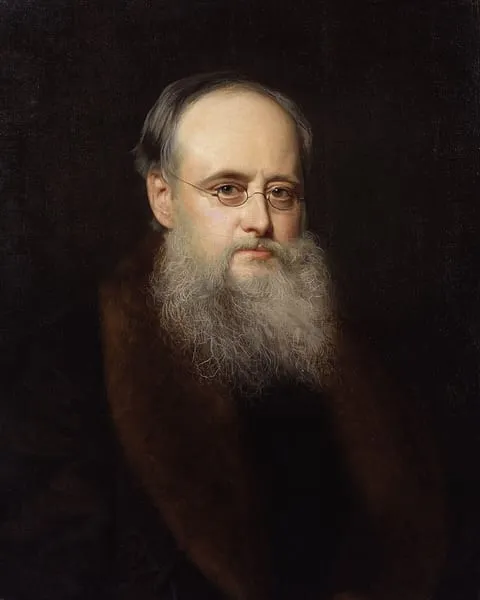
Wilkie Collins
1824-1889
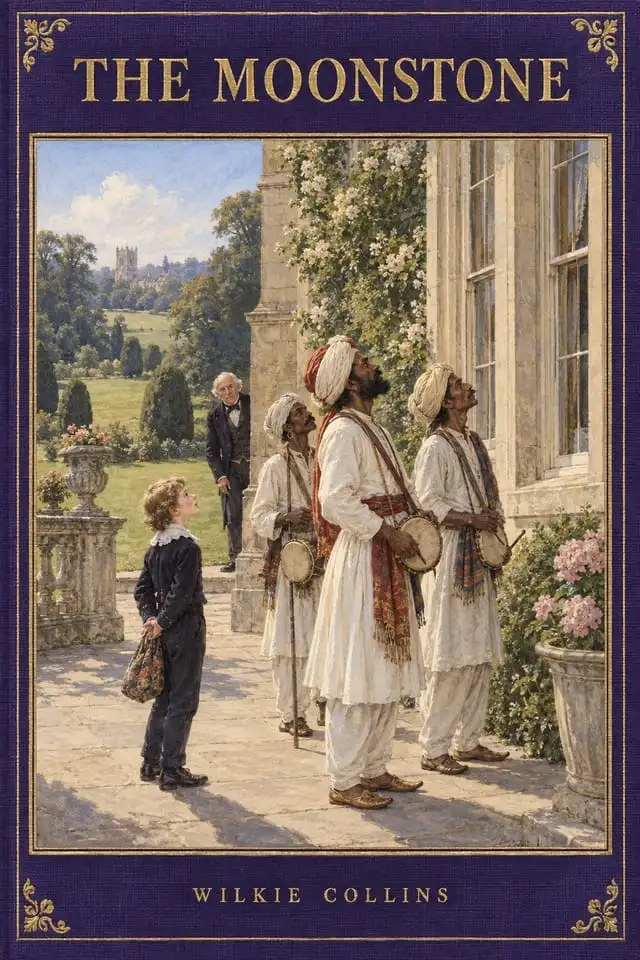
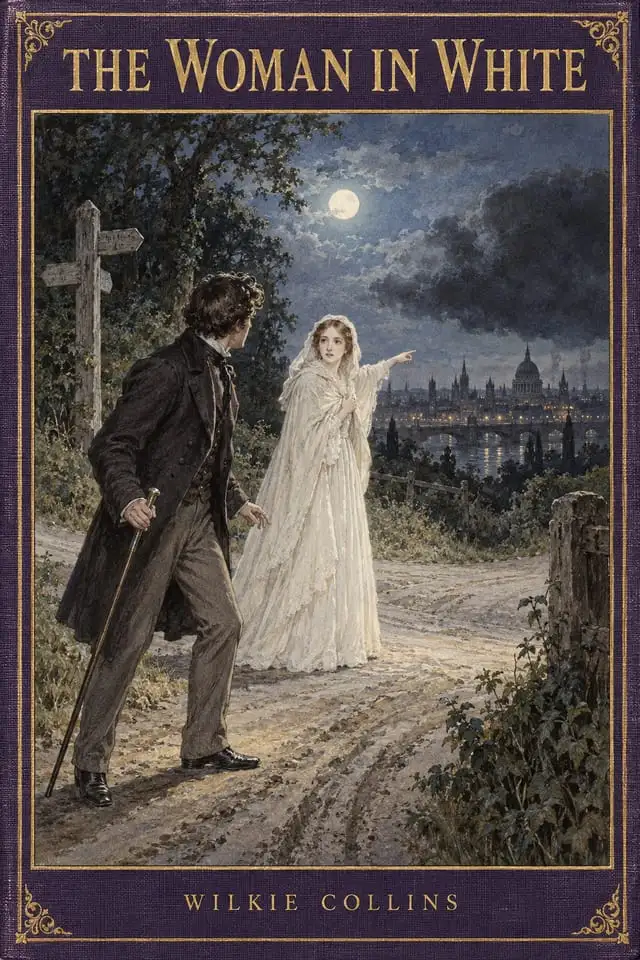
English novelist and playwright whose The Woman in White and The Moonstone, first serialised in Dickens's All the Year Round, helped shape the mystery and detective novel.
Born William Wilkie Collins.
William Wilkie Collins was born on 8 January 1824 in New Cavendish Street, London, the son of the landscape painter William Collins and his wife, Harriet Geddes. From 1836 to 1838 he lived with his parents in Italy and France. At a boarding school in Highbury a bully made him tell a story every night, which Collins later said first woke his gift for storytelling.
He worked as a clerk for tea merchants, then studied law at his father's insistence and was called to the bar in 1851, though he never practised. His novel Antonina appeared in 1850. In 1851 he met Charles Dickens, who became a lifelong friend and collaborator: Collins acted in Dickens's amateur theatricals, joined the staff of Household Words, and wrote plays with him. Around 1856 he began taking laudanum for gout and became addicted.
The Woman in White was serialised in All the Year Round from November 1859 to August 1860. The Moonstone (1868), serialised in the same magazine, is seen by many as the start of the detective story in the English novel; T. S. Eliot called it "the first, the longest, and the best of modern English detective novels". Both books are told by a series of narrators, each with a distinct voice.
He disliked the institution of marriage, living with Caroline Graves for most of his life and having three children with Martha Rudd. He died after a stroke on 23 September 1889, and his headstone at Kensal Green Cemetery describes him as the author of The Woman in White.
Sources: wikipedia.org