Author
Wilfred Owen
1893-1918
English poet and soldier of the First World War whose poems on the horrors of the trenches and gas warfare were mostly published after his death in 1918.
Born Wilfred Edward Salter Owen.
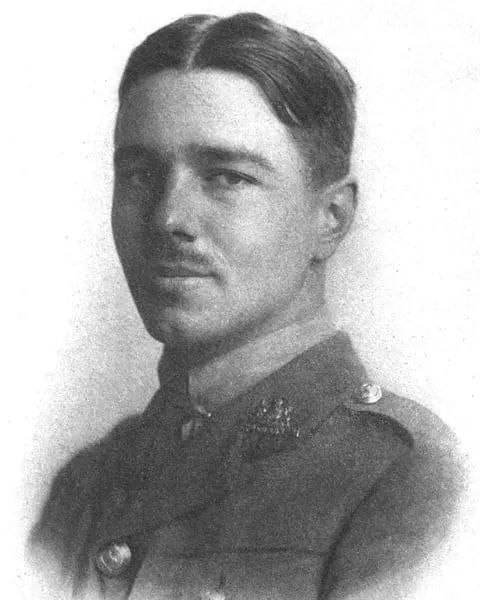
Wilfred Edward Salter Owen was born on 18 March 1893 at Plas Wilmot, near Oswestry in Shropshire, the eldest of four children. The family later lived in Birkenhead and Shrewsbury, where his father worked for a railway company. He was raised an evangelical Anglican, and his early influences included the Bible and the Romantic poets, above all Wordsworth and Keats.
Unable to afford university, he worked as a lay assistant to the Vicar of Dunsden near Reading, then from 1913 taught English and French in Bordeaux. He enlisted in 1915 and was commissioned in the Manchester Regiment in 1916. After being caught in a shell blast he was diagnosed with shell shock and sent to Craiglockhart War Hospital in Edinburgh, where he met the poet Siegfried Sassoon, who had a profound effect on his poetic voice. Owen returned to France in 1918 and was awarded the Military Cross for his leadership near Joncourt that October.
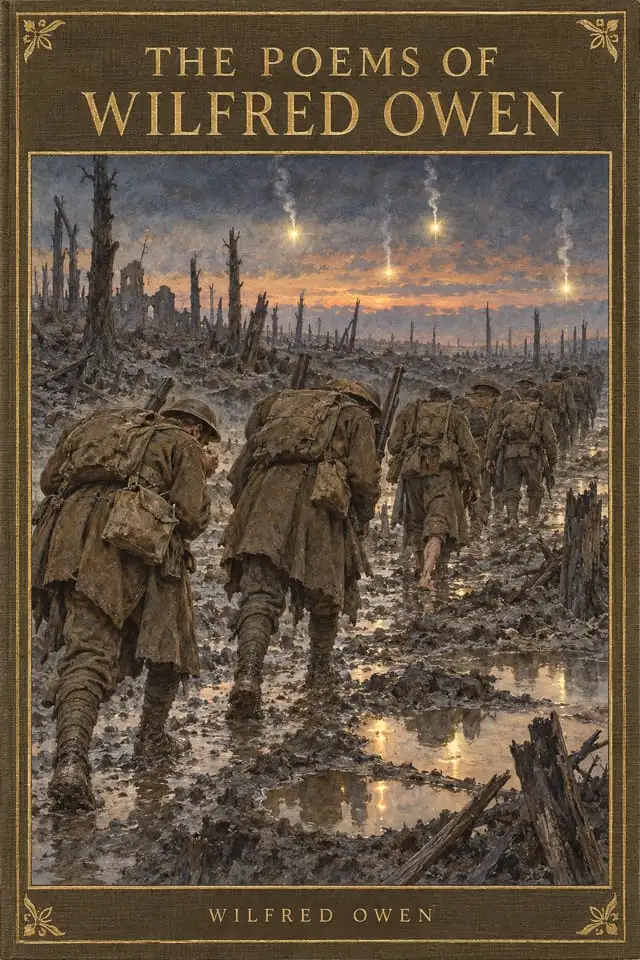
Only five of his poems were published in his lifetime. Among the best known are "Anthem for Doomed Youth", "Dulce et Decorum est", "Futility" and "Strange Meeting", which contrasted with the patriotic verse of earlier war poets. Sassoon, Edith Sitwell and Edmund Blunden helped bring the poems to readers after his death. They can be read here in The Poems of Wilfred Owen.
Owen was killed on 4 November 1918 crossing the Sambre-Oise Canal, a week before the Armistice, aged 25. Words from his preface, "My subject is War, and the pity of War", are carved on the Great War poets' memorial in Westminster Abbey.
Sources: wikipedia.org