Author
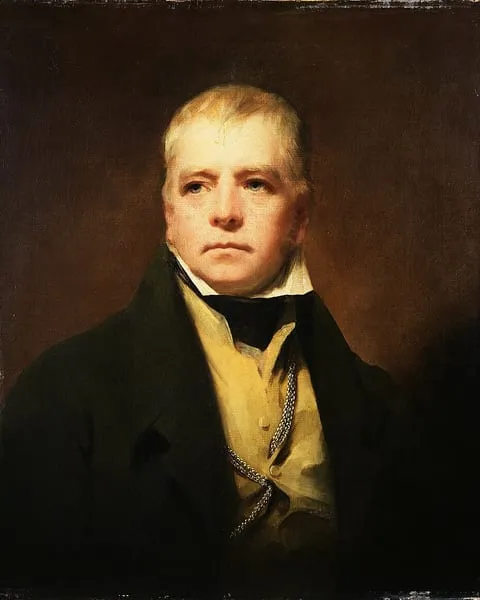
Walter Scott
1771-1832
Scottish novelist and poet whose Waverley novels, beginning in 1814, helped establish the historical novel and were widely read across Europe.
Walter Scott was born on 15 August 1771 in Edinburgh's Old Town, the son of a Writer to the Signet. A bout of polio in 1773 left him lame, and he was sent to his grandparents' farm at Sandyknowe in the Borders, where his aunt Jenny Scott taught him to read and passed on many of the tales and legends that later marked his work. He trained in law and was admitted to the Faculty of Advocates in 1792.
Edinburgh's 1790s enthusiasm for German literature drew him into writing, and he gathered Border ballads for Minstrelsy of the Scottish Border (1802). His long narrative poems, including Marmion (1808) and The Lady of the Lake (1810), made him the most popular poet of the time until Byron. He married Charlotte Charpentier in 1797, worked as Sheriff-Depute of Selkirkshire and Clerk of Session, built Abbotsford on the Tweed, and was made a baronet in 1820.
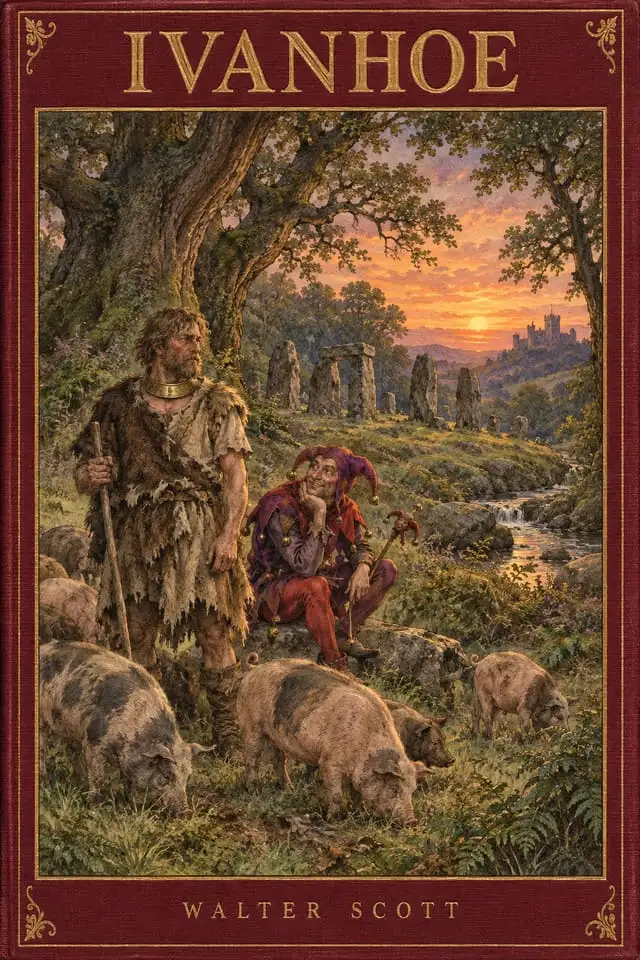
Waverley (1814), published anonymously, was the first of 27 novels, most set in Scotland's past. Ivanhoe, first published in 1819 though dated 1820, moved to 12th-century England and remains his best-known work. The novels give lively pictures of earlier societies while showing that their people shared the passions of Scott's own day.
In 1825 a banking crisis brought down the Ballantyne printing business in which he was a partner. Rather than declare himself bankrupt, he set out to write his way out of debt. He died at Abbotsford on 21 September 1832; his novels kept selling, and the debts on his estate were soon cleared.
Sources: wikipedia.org