Author
Virginia Woolf
1882-1941
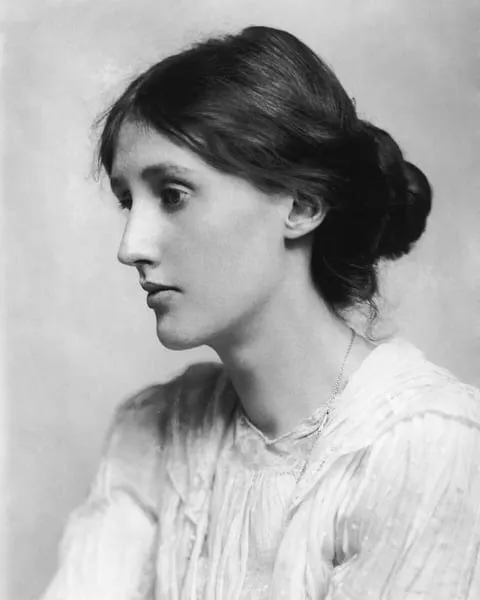
English modernist writer who helped pioneer stream of consciousness narration, and whose novels include Mrs. Dalloway, To the Lighthouse and Orlando.
Adeline Virginia Stephen was born on 25 January 1882 at Hyde Park Gate in South Kensington, London, into a household of eight children that included her sister, the painter Vanessa Bell. Her father, Sir Leslie Stephen, was a writer and historian who gave her the free run of his library. She was taught at home, and summers at Talland House in St Ives, Cornwall, later shaped her fiction. The deaths of her mother in 1895 and her father in 1904 each brought on a breakdown.
She then moved with her siblings to Bloomsbury, where evenings with her brother Thoby's Cambridge friends became the core of the Bloomsbury Group. She began writing reviews in 1904, married Leonard Woolf in 1912, and in 1917 set up the Hogarth Press with him, which published much of her work. Her first novel, The Voyage Out, appeared in 1915.
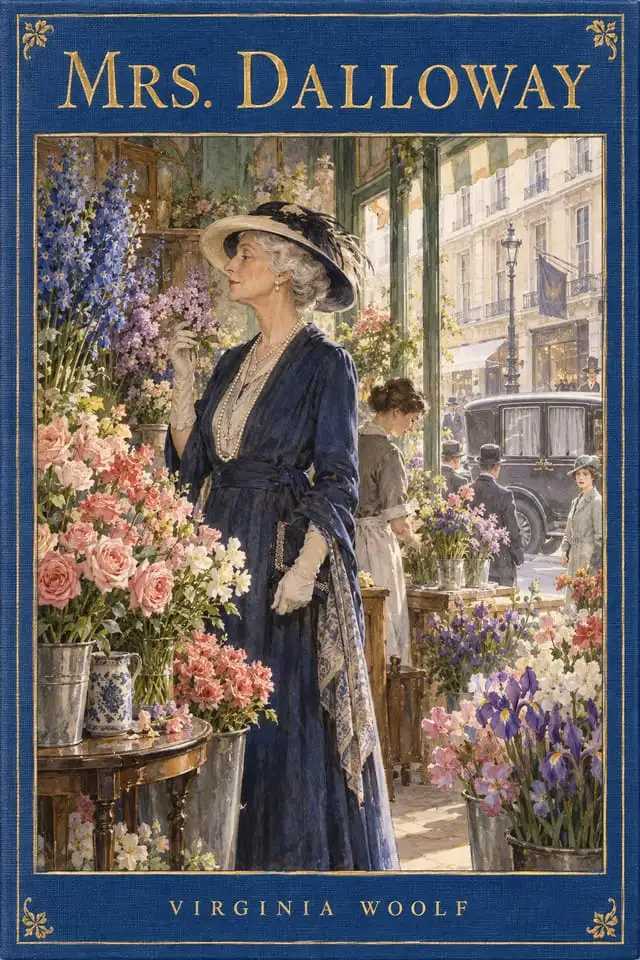
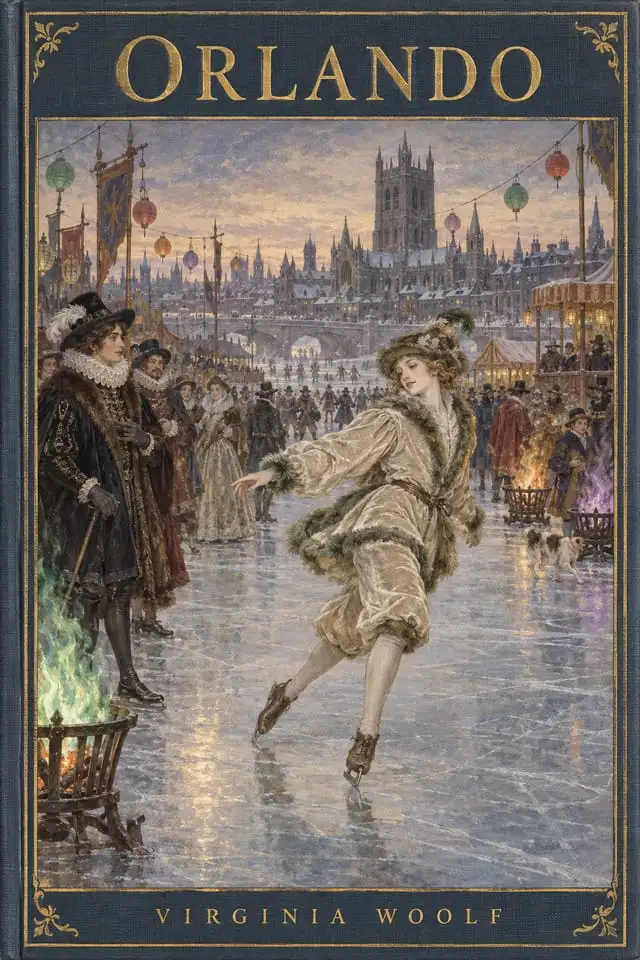
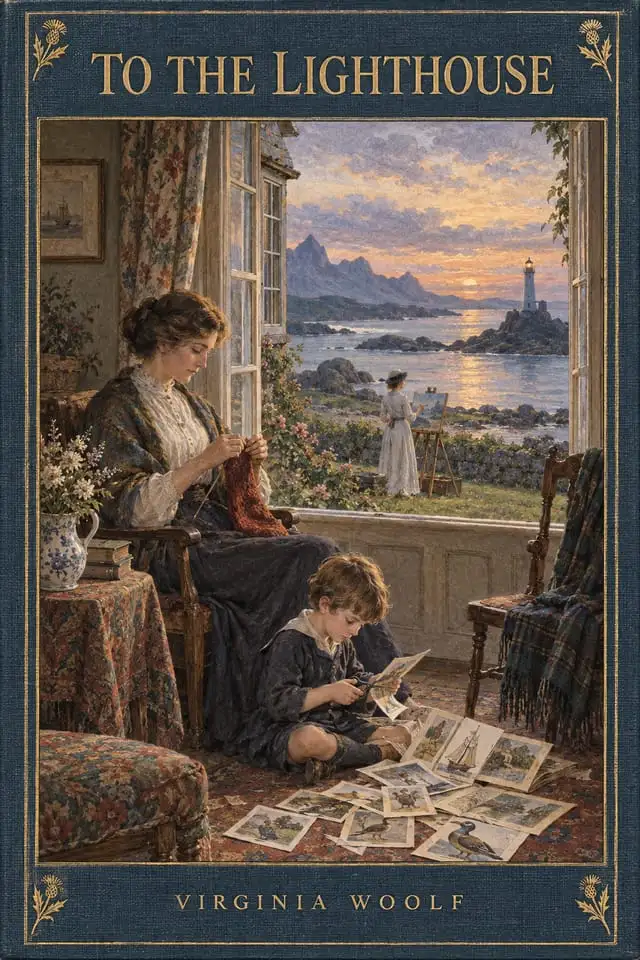
Mrs. Dalloway (1925) gives a voice, in the shell-shocked Septimus Smith, to soldiers home from the First World War. To the Lighthouse (1927) drew on those Cornish summers, and the title character of Orlando (1928) was inspired by her friend Vita Sackville-West. Her book-length essay A Room of One's Own (1929) grew from two lectures on women and fiction given at Cambridge.
After finishing her last novel, Between the Acts, and with her London homes destroyed in the Blitz, she drowned herself in the River Ouse near her Sussex home on 28 March 1941. Feminist critics of the 1970s helped re-establish her reputation, and her work has been translated into more than 50 languages.
Sources: wikipedia.org