Author
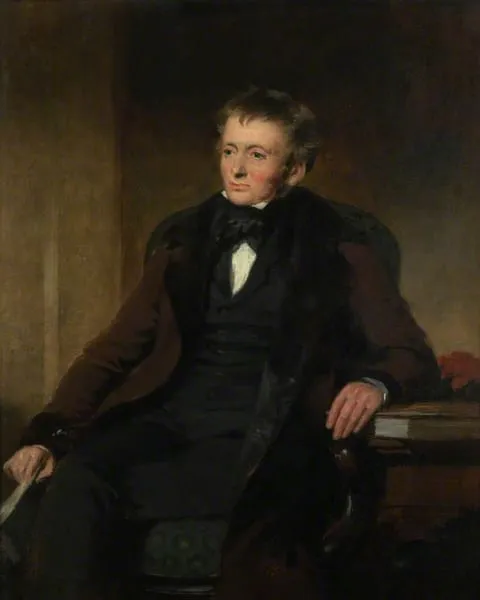
Thomas De Quincey
1785-1859
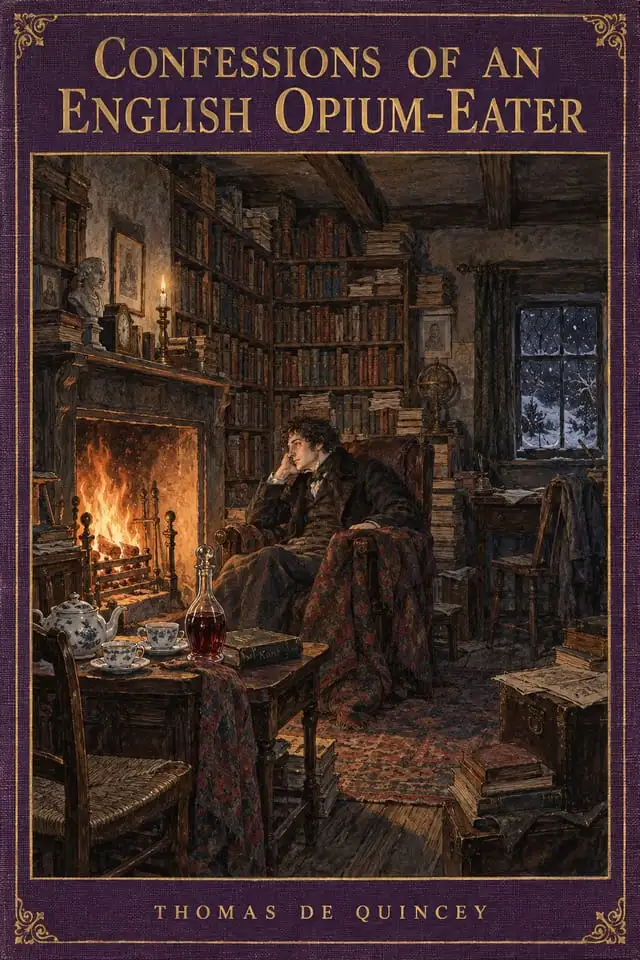
English essayist and critic whose Confessions of an English Opium-Eater, an account of his own opium use, is seen by many scholars as the start of addiction literature.
Thomas De Quincey was born Thomas Penson Quincey in Manchester on 15 August 1785, the son of a successful merchant. After his father's death, his mother took the name De Quincey in 1796. He was a weak and sickly boy but a gifted scholar: one master said he could 'harangue an Athenian mob better than you or I could address an English one'.
He ran away from Manchester Grammar School, wandered through Wales in 1802, and then lived close to starvation in London rather than return to his family. At Worcester College, Oxford, he first took opium in 1804, to relieve facial pain. Wordsworth's Lyrical Ballads had consoled him in fits of depression, and his acquaintance with the poet led him to settle at Grasmere in 1809, and he lived for ten years at Dove Cottage. He married in 1816 and, with no money left, took up literary work in earnest.
Confessions of an English Opium-Eater first appeared in the London Magazine in 1821 and was soon published as a book. His account of his opium experiences was a new sensation. From then on he lived by writing for magazines, spending the rest of his life in Scotland, and his reminiscences of Wordsworth, Coleridge and the other Lake Poets are counted among his most important work.
Debt troubled him for much of his adult life. He died in Edinburgh on 8 December 1859. His writing influenced Edgar Allan Poe, Charles Baudelaire and Nikolai Gogol, and Berlioz loosely based his Symphonie fantastique on the Confessions.
Sources: wikipedia.org