Author
John Stuart Mill
1806-1873
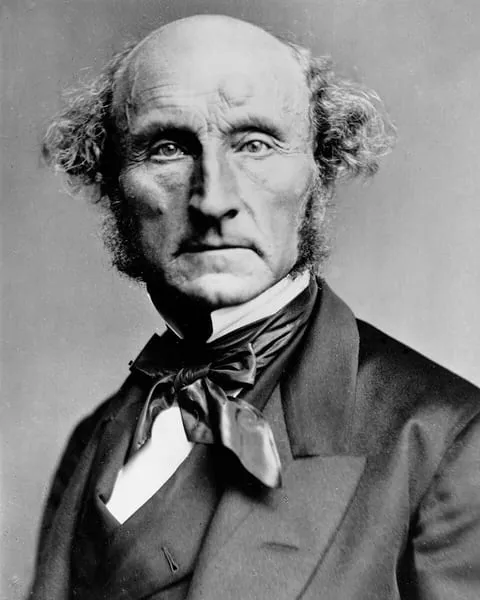
John Stuart Mill was an English philosopher and MP whose On Liberty (1859) and The Subjection of Women (1869) argued for individual freedom and equality for women.
John Stuart Mill was born on 20 May 1806 in Pentonville, London, the eldest son of Harriet Barrow and the Scottish philosopher James Mill. His father, a follower of Jeremy Bentham, meant to raise a mind that would carry on the cause of utilitarianism, and taught him at home, apart from children his own age outside the family. Mill was taught Greek at three, and by eight had read the whole of Herodotus.
At twenty he went through months of sadness, from which the poetry of William Wordsworth helped lift him. Barred from Oxford and Cambridge as a nonconformist, he worked for the East India Company from 1823 to 1858. In 1851 he married Harriet Taylor, a strong influence on his work, after 21 years of close friendship. As Liberal MP for Westminster from 1865 to 1868, he became in 1866 the second person in Parliament's history to call for votes for women.
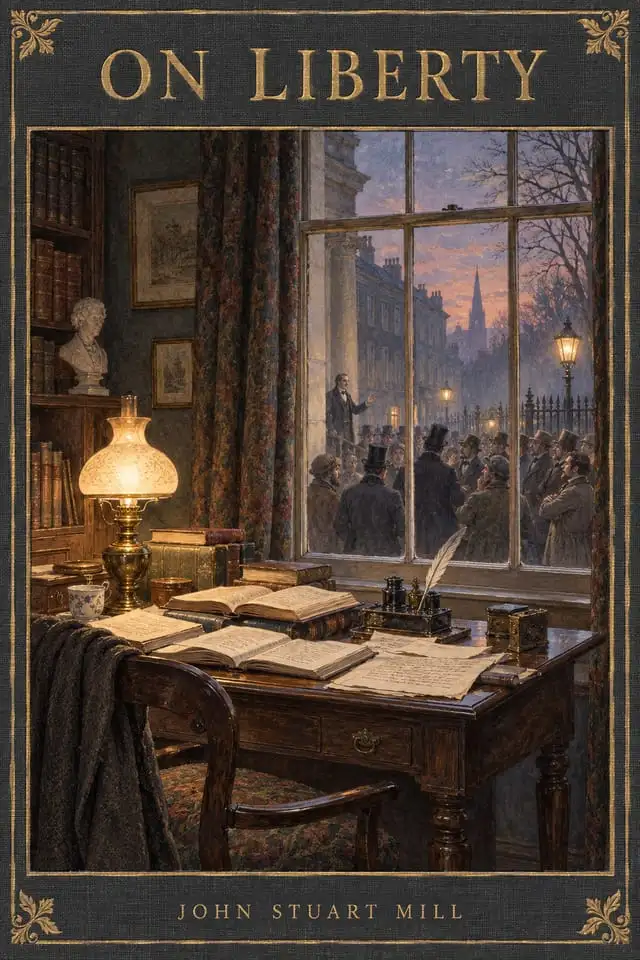
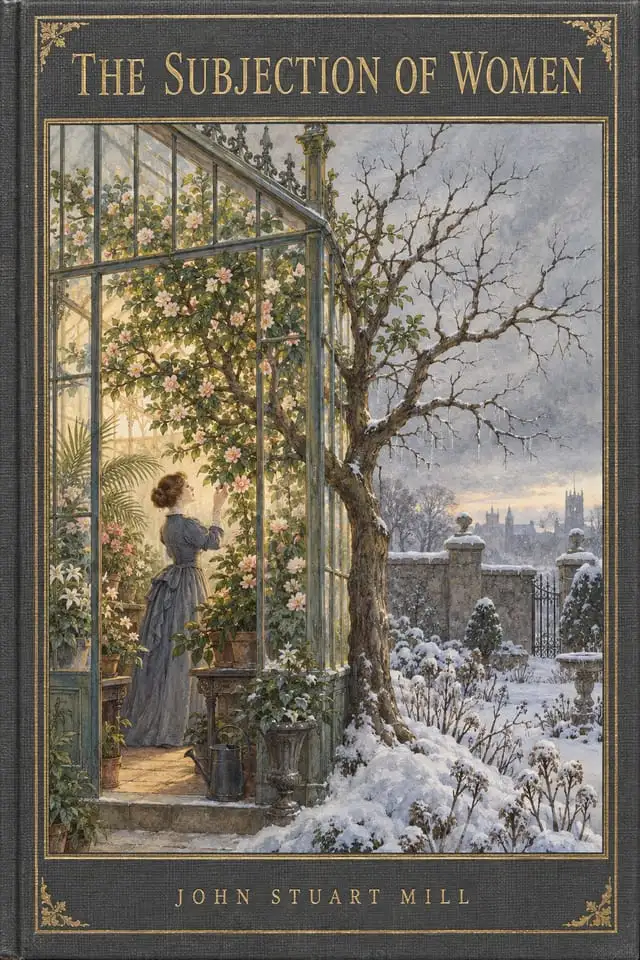
After A System of Logic (1843) and Principles of Political Economy (1848) came On Liberty (1859), which asks how far society may rightly use power over the individual, argues that the only good reason is to prevent harm to others, and defends free speech. The Subjection of Women (1869) makes the case for perfect equality between the sexes, and was one of the earliest books on the subject by a male author.
Mill died in Avignon in 1873 and was buried beside his wife. A copy of On Liberty is still passed to the president of the Liberal Democrats as a symbol of office.
Sources: wikipedia.org