Author
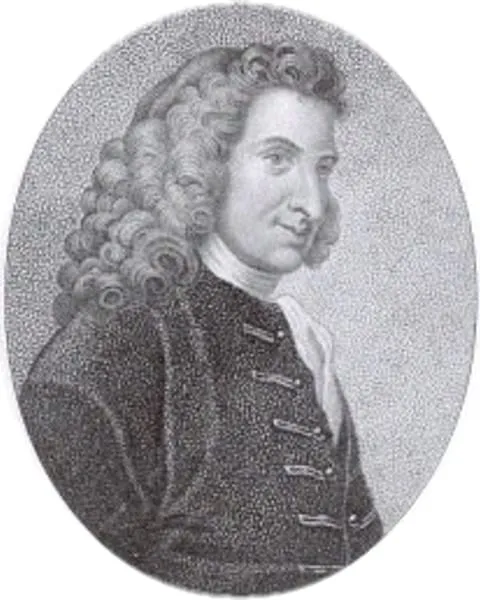
Henry Fielding
1707-1754
Henry Fielding was an English playwright, novelist and magistrate whose comic novels, including Tom Jones, are seen alongside Samuel Richardson's as founding the traditional English novel.
Henry Fielding was born on 22 April 1707 at Sharpham Park in Somerset, the son of Lieutenant-General Edmund Fielding and Sarah Gould. His mother died when he was 11, and after a custody suit he was placed in his grandmother's care. At Eton he began a lifelong friendship with William Pitt the Elder, and in 1728 he went to Leiden to study classics and law, until lack of money forced him back to London.
There he set out to earn his living by the pen, writing satirical plays such as The Author's Farce and Tom Thumb, both staged in 1730. Some of his work savagely criticised the government of Sir Robert Walpole. When the Licensing Act of 1737 made political satire on stage all but impossible, he left the theatre and became a barrister to support his wife, Charlotte Craddock, and their children.
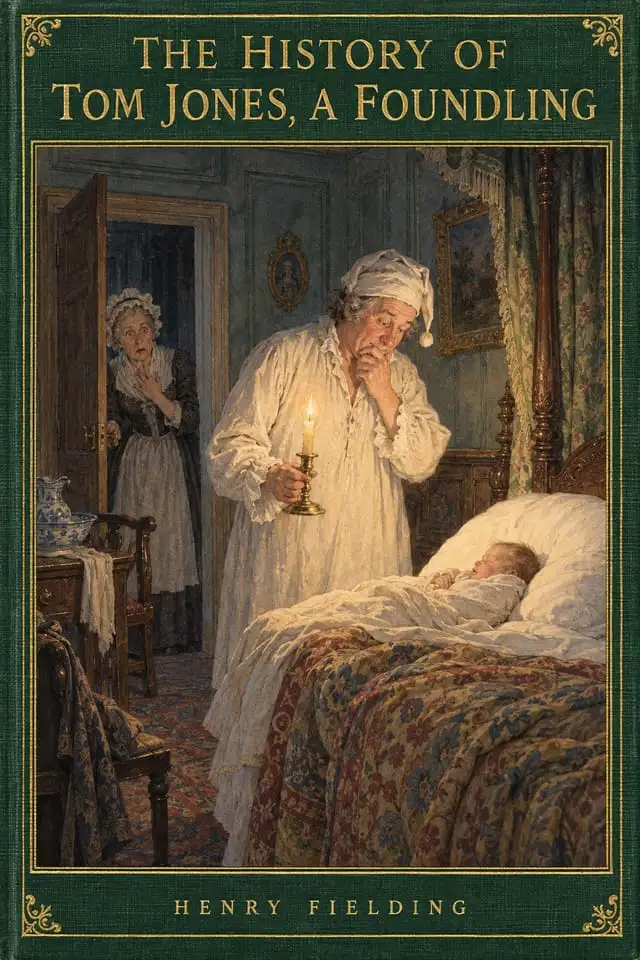
He turned to prose fiction with Shamela (1741), a parody of Samuel Richardson's popular Pamela, and followed it with Joseph Andrews (1742), which began as parody but grew into a novel in its own right. The History of Tom Jones, a Foundling (1749) follows a foundling through lively adventures on the road and in London, and presents English life and character in the mid-18th century.
As Westminster's chief magistrate he was noted for impartial judgements and for compassion towards people whom social inequities led into crime, and in 1749 he helped found the Bow Street Runners. Failing health sent him to Portugal in 1754, and he died in Lisbon on 8 October that year.
Sources: wikipedia.org