Author
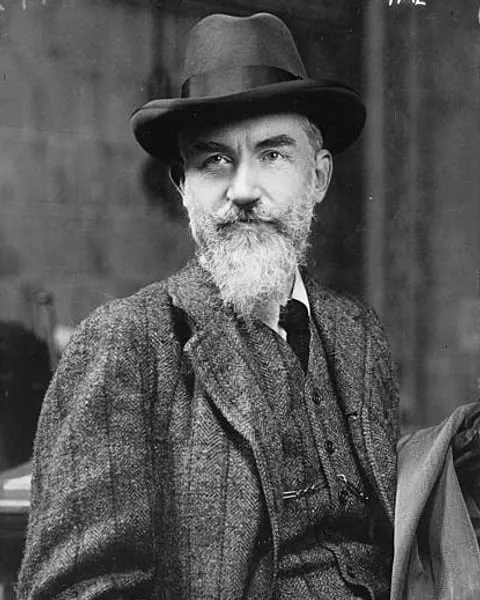
George Bernard Shaw
1856-1950
George Bernard Shaw was an Irish playwright, critic and political activist whose more than sixty plays include Pygmalion and Saint Joan; he won the 1925 Nobel Prize in Literature.
Shaw was born on 26 July 1856 in a lower-middle-class part of Dublin, the youngest child and only son of George Carr Shaw, an ineffectual and often drunken corn merchant, and Bessie Gurly, who had a fine mezzo-soprano voice. He later described their life as one of "shabby-genteel poverty". He hated school, and at 15 he became a clerk with a Dublin firm of land agents.
In 1876 he moved to London, where he wrote five novels, none of them successful. He joined the Fabian Society in 1884 and became its most prominent pamphleteer, and he made his name as a music and theatre critic. Influenced by Henrik Ibsen, he set out to bring a new realism to English-language drama, using his plays to spread his political, social and religious ideas. He preferred to be called "Bernard Shaw".
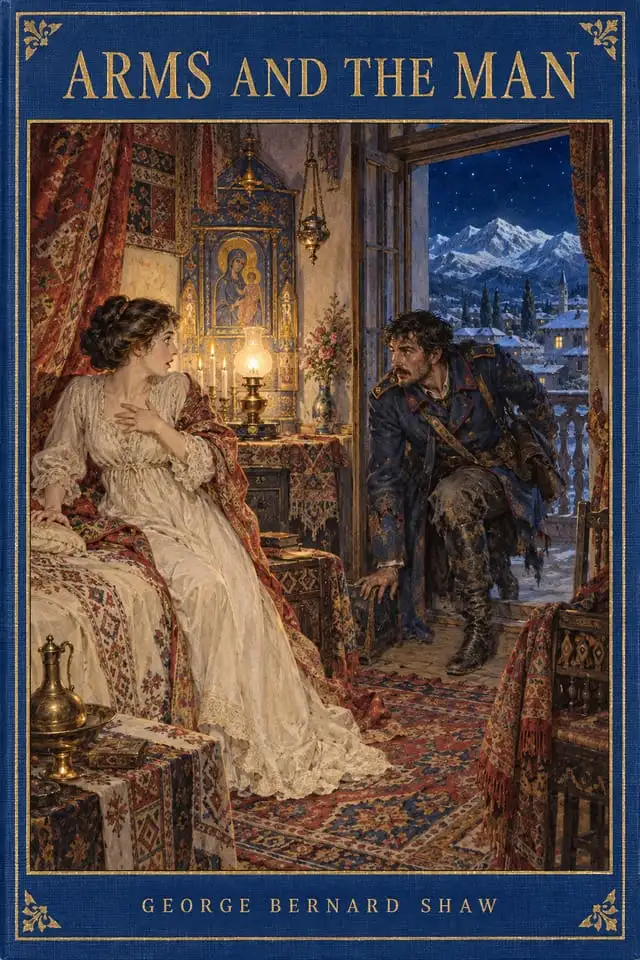
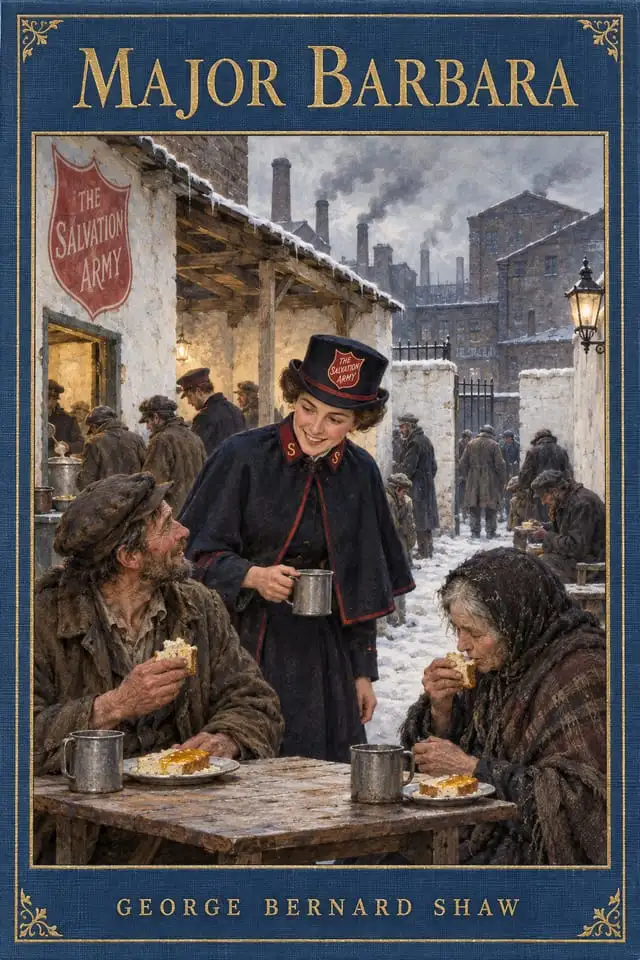
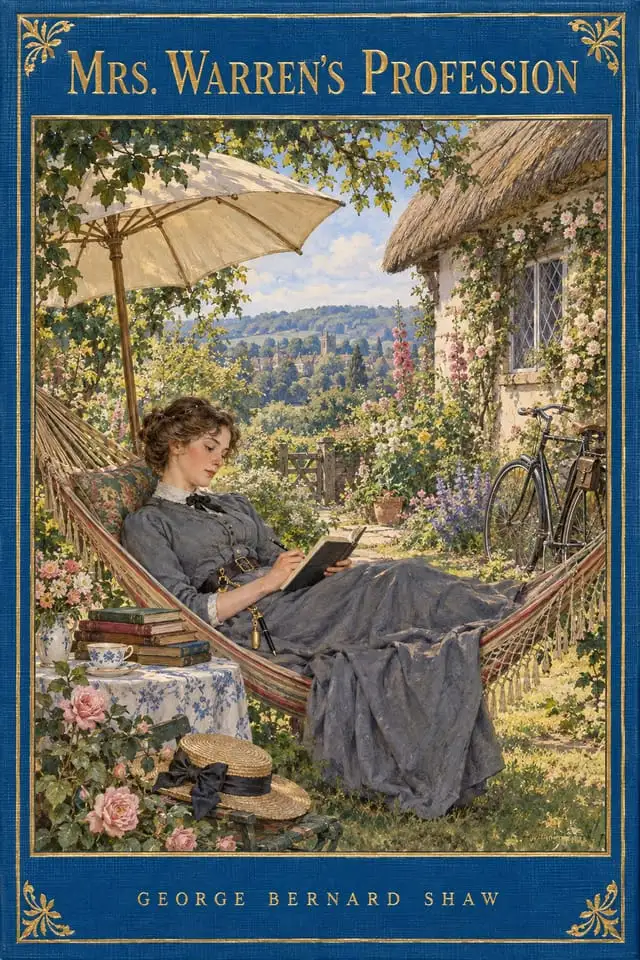
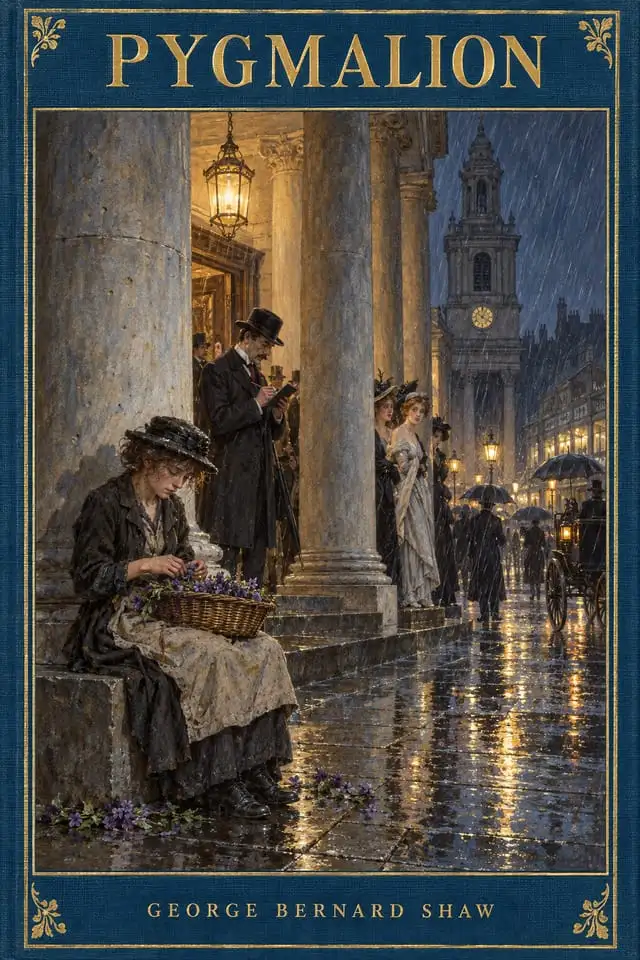
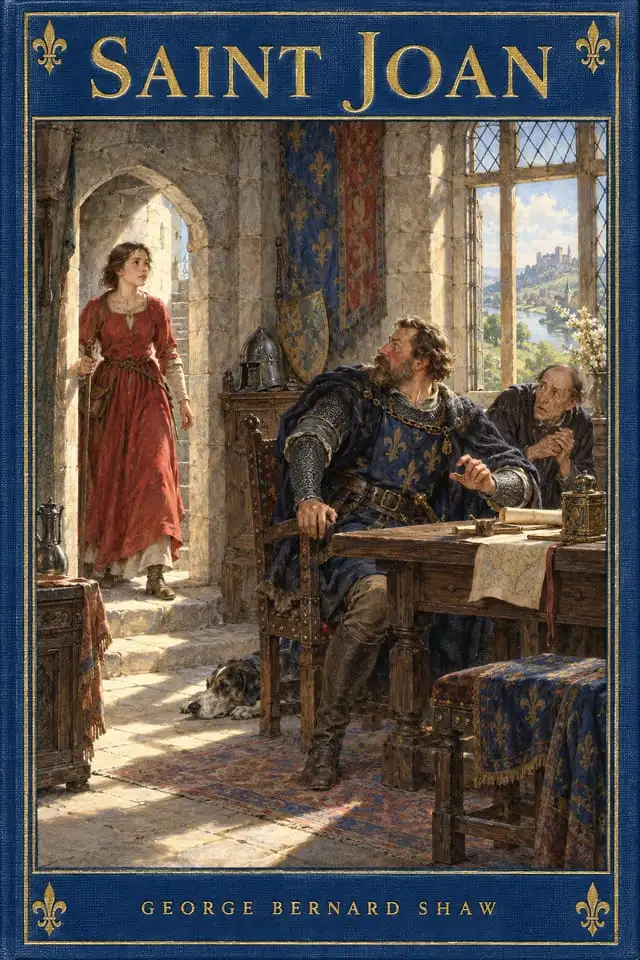
Mrs Warren's Profession (1893) did not reach the stage for nine years. Arms and the Man (1894), a comedy satirising conventions of love, military honour and class, was his first public success. Major Barbara (1905) contrasts the morality of arms manufacturers and the Salvation Army. Pygmalion, a study of language and speech, was first staged in Vienna in 1913. Saint Joan (1923) was received with enthusiasm, and he was awarded the 1925 Nobel Prize in Literature.
His views were often contentious: he opposed vaccination and later spoke favourably of Mussolini and Stalin. In 1938 his screenplay for the film of Pygmalion won an Academy Award. He kept writing into his nineties and died on 2 November 1950, aged 94.
Sources: wikipedia.org