Author
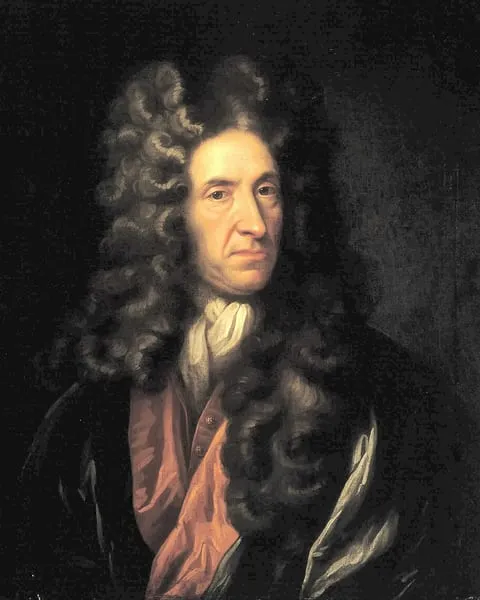
Daniel Defoe
1660-1731
English merchant, pamphleteer and secret agent who turned to fiction late in life and helped popularise the English novel with Robinson Crusoe and Moll Flanders.
Daniel Foe was born in London around 1660, though the exact date is uncertain. His father, James Foe, was a prosperous tallow chandler, and his mother, Alice, had died by the time he was about ten. His parents were Presbyterian dissenters, and he was sent to Charles Morton's dissenting academy at Newington Green. He later added the "De" to his name.
Defoe became a merchant and married Mary Tuffley in 1684. He was rarely out of debt and was forced to declare bankruptcy in 1692. His satire The Shortest-Way with the Dissenters (1702) led to a conviction for seditious libel, three days in the pillory and a spell in Newgate Prison. The politician Robert Harley arranged his release in return for work as an intelligence agent, and in 1706 sent him to Edinburgh as a secret agent to argue for the union of England and Scotland.
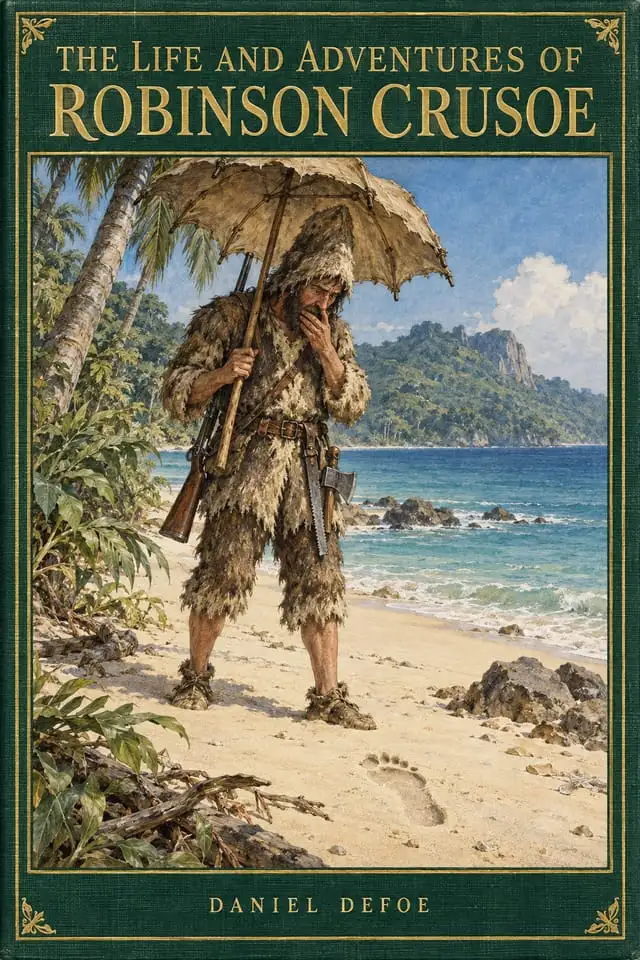
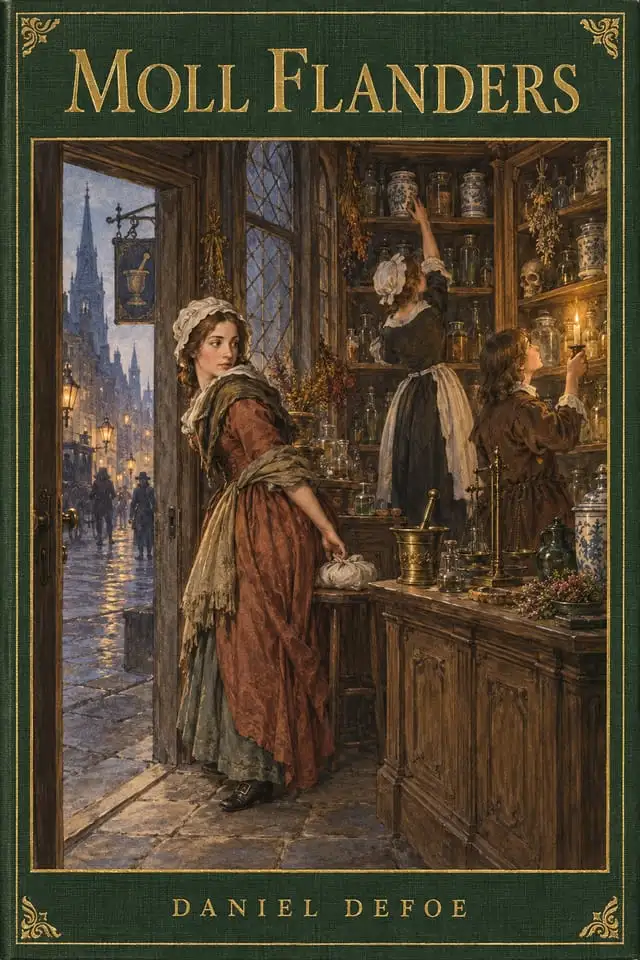
Robinson Crusoe appeared in 1719, when Defoe was in his late fifties. The story of a man shipwrecked on a desert island for twenty-eight years ran through four editions that year and gave its name to a genre, the Robinsonade. Moll Flanders (1722) is the first-person story of a woman in 17th-century England who is a thief and a bigamist, yet keeps the reader's sympathy. Like much of his fiction, both were presented as true stories.
Defoe died on 24 April 1731 in Ropemakers Alley, not far from Cripplegate, and was buried at Bunhill Fields. As many as 545 titles have been attributed to him, many of them published anonymously or under pen names.
Sources: wikipedia.org