Author
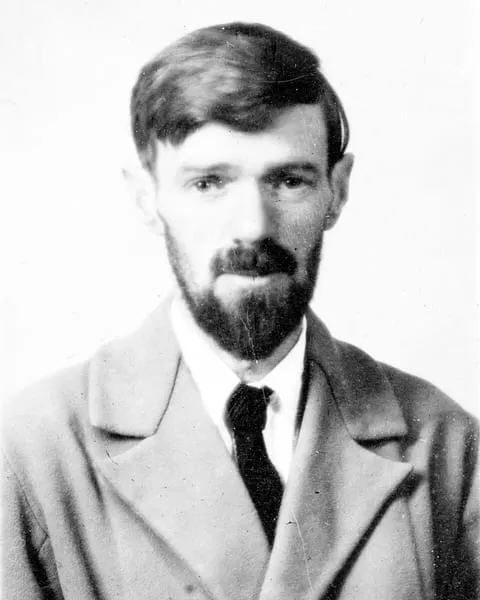
D. H. Lawrence
1885-1930
English novelist, poet and painter from a Nottinghamshire mining town, whose frank novels about love, class and industrial England were censored in his lifetime and fought over after it.
Born David Herbert Richards Lawrence.
David Herbert Lawrence was born on 11 September 1885 in Eastwood, Nottinghamshire, the fourth child of Arthur Lawrence, a barely literate miner, and Lydia Lawrence, a former pupil-teacher. His father wanted his sons to go down the pit, but his mother was determined they would not do manual work, and in his case she won. The tensions between his parents gave him material for his early writing.
He qualified as a teacher in 1908 and taught in Croydon while he wrote, until pneumonia in 1911 led him to write full time. In 1912 he met Frieda Weekley, the wife of his former professor; they left England together and married in 1914. Suspected in wartime because of Frieda's German family and his contempt for militarism, they were forced out of Cornwall in 1917. After the war he began what he called his "savage pilgrimage", living in Italy, Ceylon, Australia, New Mexico and Mexico.
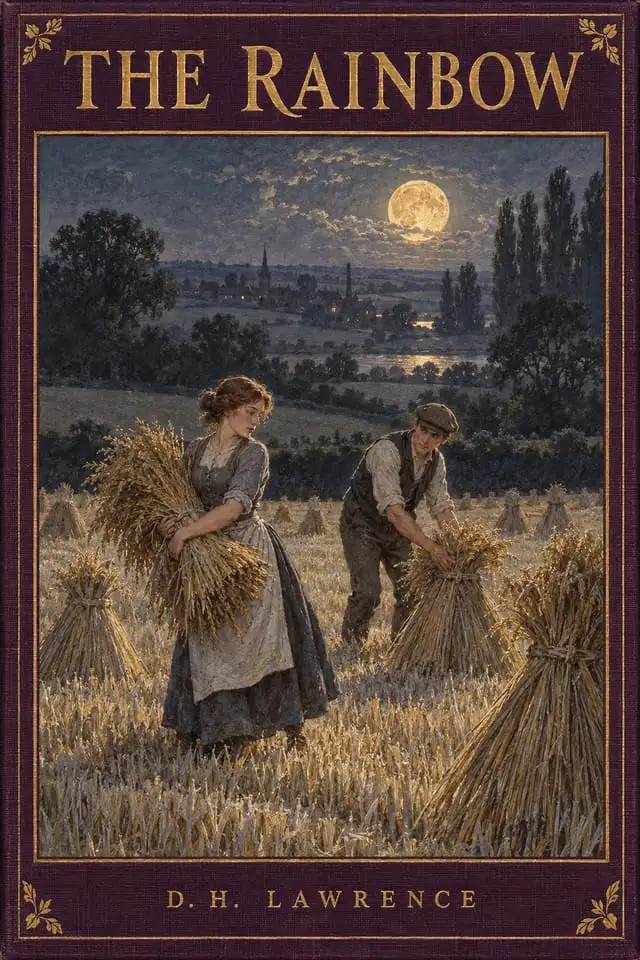
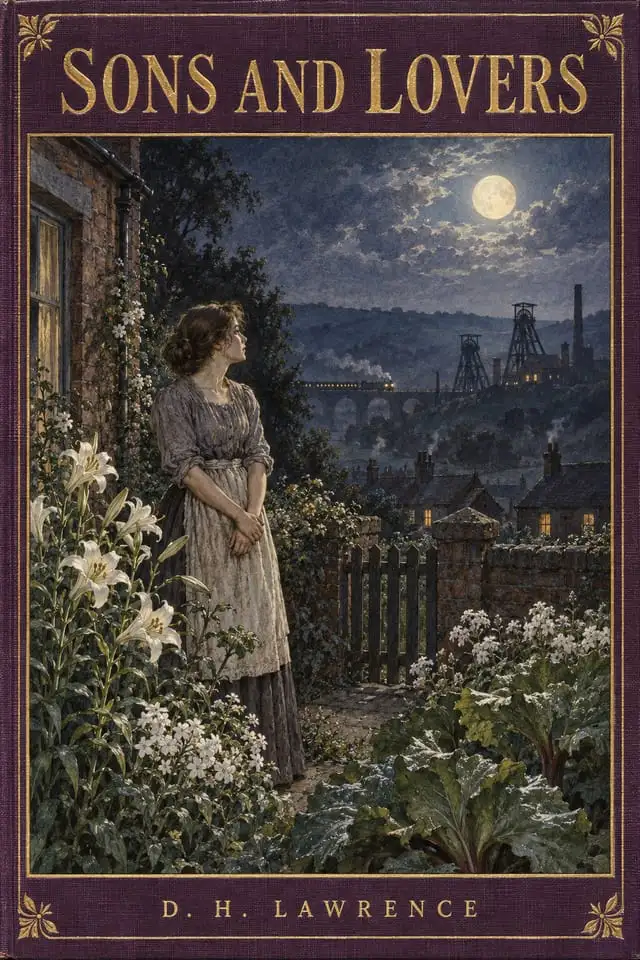
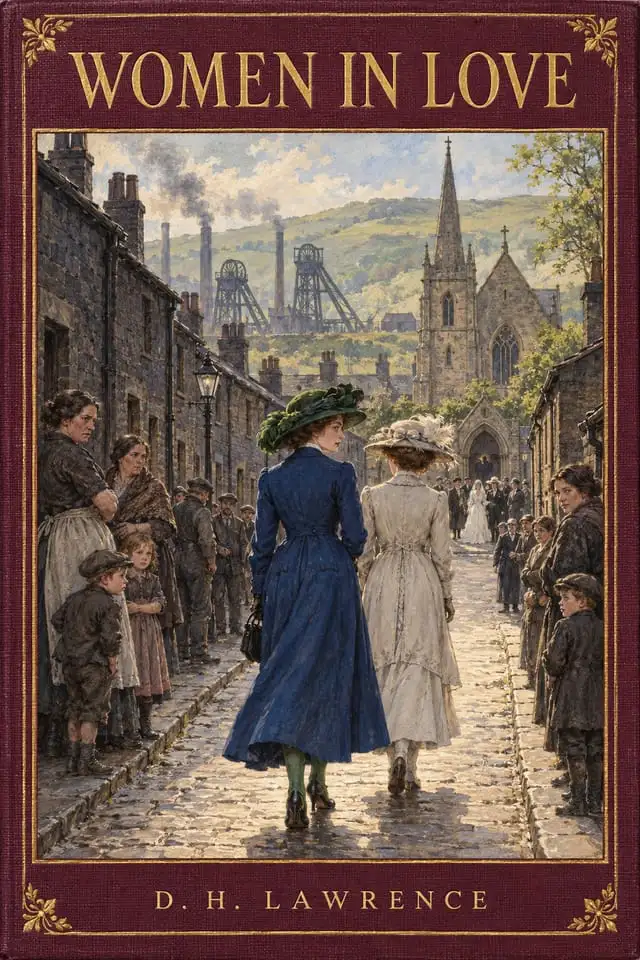
Sons and Lovers (1913) was hailed as a vivid portrait of working-class provincial life. The Rainbow (1915) follows three generations of a Nottinghamshire farming family and was suppressed that year for alleged obscenity. Women in Love (1920) returns to Ursula from The Rainbow and her sister Gudrun. Both novels challenged conventional thinking about art, gender, friendship and marriage.
Lawrence died of complications of tuberculosis at Vence in France on 2 March 1930. The critic F. R. Leavis later championed The Rainbow and Women in Love, and the 1960 trial over Lady Chatterley's Lover brought his books to a far wider public.
Sources: wikipedia.org