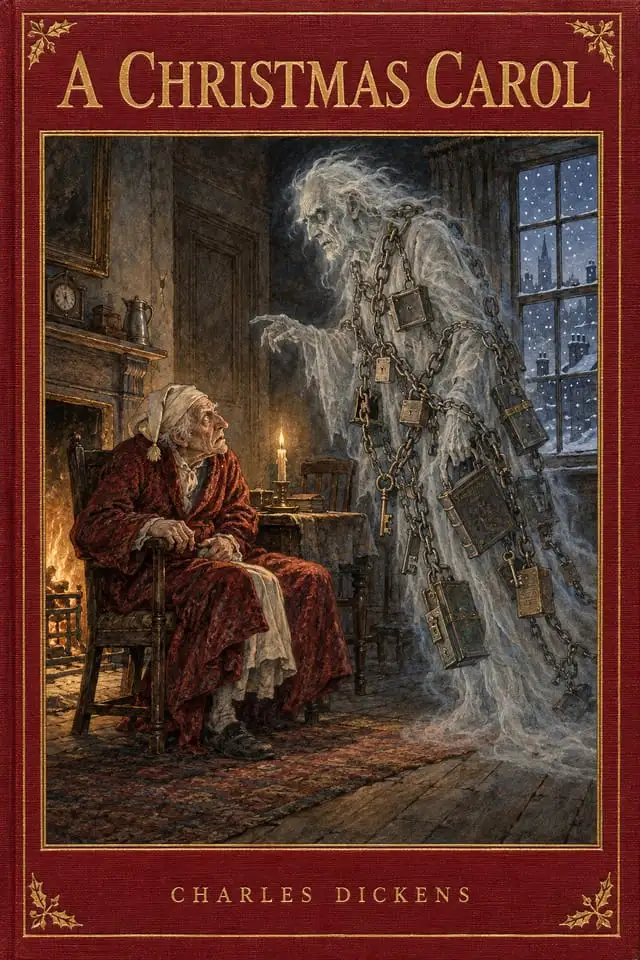
A Christmas Carol Study Guide
GCSE set textAQA GCSEEdexcel GCSEOCR GCSEEduqas GCSE
Notes cover the whole book.
Characters
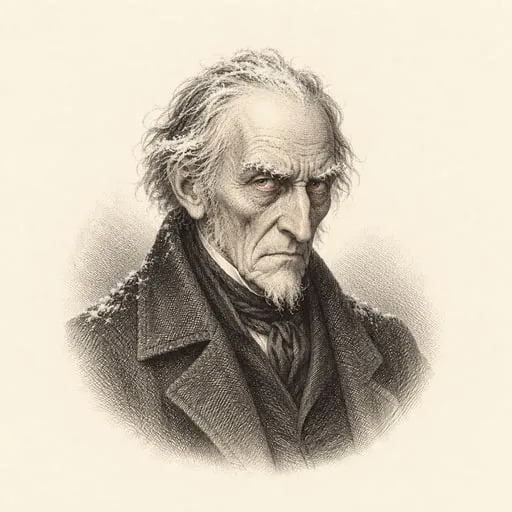
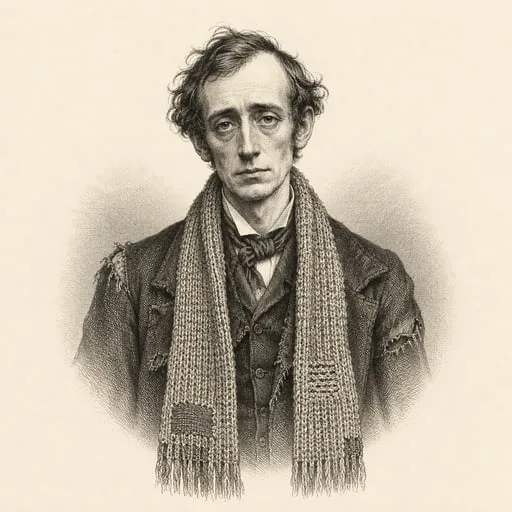
- Ebenezer ScroogeA changed man, joyful and generous, who sends the Cratchits a prize turkey, gives to the poor, dines with Fred, raises Bob's salary and becomes "a second father" to Tiny Tim.First appears: Stave 1: Marley’s Ghost
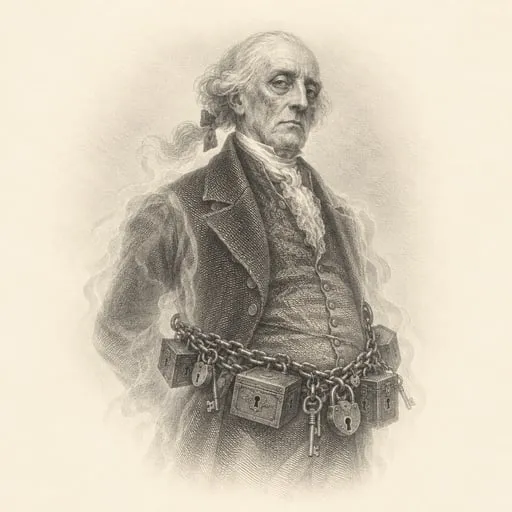
- Marley's GhostThe ghost of Jacob Marley, Scrooge's business partner, dead seven years, who drags a chain of cash boxes, ledgers and purses and warns Scrooge that three spirits will visit him.First appears: Stave 1: Marley’s Ghost
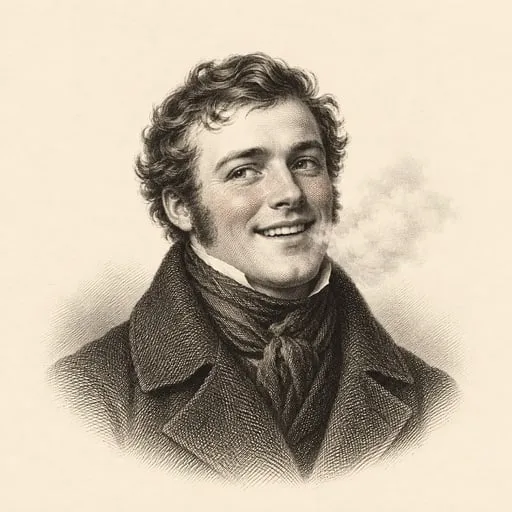
- FredScrooge's nephew Fred, who welcomes his uncle warmly when Scrooge comes, at last, to Christmas dinner.First appears: Stave 1: Marley’s Ghost
- Bob CratchitScrooge's clerk, late to work the day after Christmas, who is astonished when Scrooge raises his salary and promises to help his family.First appears: Stave 1: Marley’s Ghost
- The two portly gentlemenScrooge meets one of them in the street, asks his pardon and whispers a gift so large that the gentleman can hardly speak.First appears: Stave 1: Marley’s Ghost
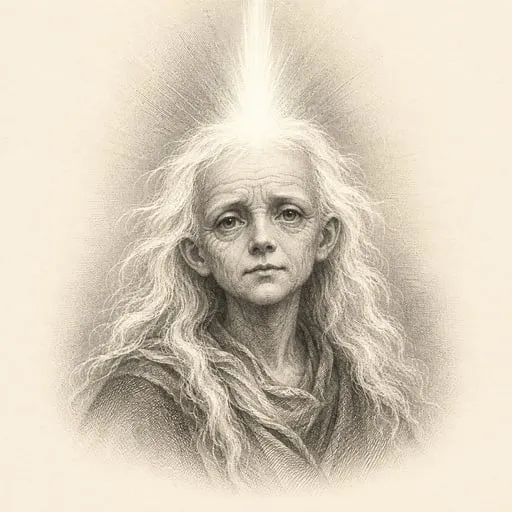
- The Ghost of Christmas PastA strange figure, like a child and an old man at once, with a jet of light shining from its head, who shows Scrooge "shadows of the things that have been".First appears: Stave 2: The First of the Three Spirits
- FanScrooge's much younger sister, who once came to fetch him home from school for good. The Spirit says she had "a large heart"; she died a grown woman, and her one child is Scrooge's nephew.First appears: Stave 2: The First of the Three Spirits
- The schoolmasterThe master of Scrooge's cold, bare school, who glares at the boy "with a ferocious condescension" before letting him go home.First appears: Stave 2: The First of the Three Spirits
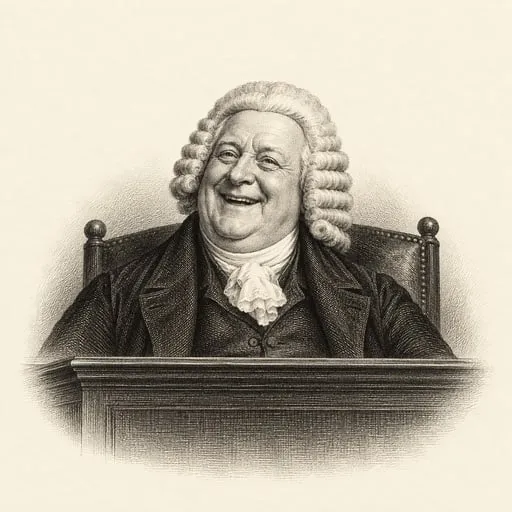
- FezziwigThe jolly old man in a Welsh wig to whom young Scrooge was apprenticed, who stops work at seven on Christmas Eve and turns his warehouse into a ballroom for his family, workers and neighbours.First appears: Stave 2: The First of the Three Spirits
- Mrs FezziwigFezziwig's wife, "one vast substantial smile", who leads the dancing with him and is "worthy to be his partner in every sense of the term".First appears: Stave 2: The First of the Three Spirits
- Dick WilkinsScrooge's fellow apprentice at Fezziwig's who, Scrooge remembers, "was very much attached to me".First appears: Stave 2: The First of the Three Spirits
- BelleThe young woman who releases the younger Scrooge from their engagement because "Another idol", gold, has taken her place. Years later she is a contented wife and the mother of a large family.First appears: Stave 2: The First of the Three Spirits
- Belle's husbandThe father of Belle's happy, noisy family, who tells her he saw Scrooge sitting alone in his office while his partner lay near death.First appears: Stave 2: The First of the Three Spirits
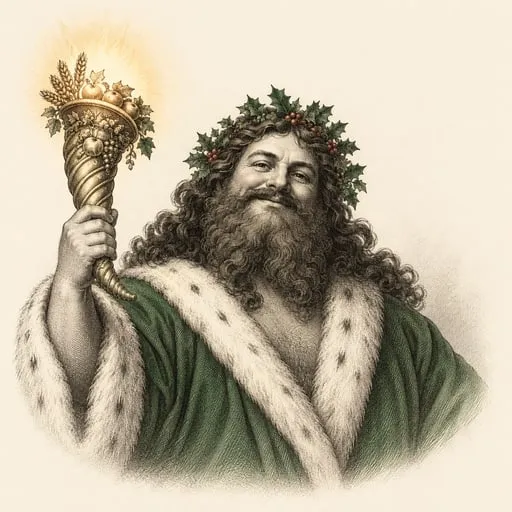
- The Ghost of Christmas PresentA jolly giant in a green robe, enthroned on a heap of Christmas food, who sprinkles blessings from his torch and grows older through the night until his life ends at midnight.First appears: Stave 3: The Second of the Three Spirits
- Mrs CratchitBob's wife, poorly dressed "but brave in ribbons", who proudly serves the Christmas pudding and will drink Mr Scrooge's health only for Bob's sake and the day's.First appears: Stave 3: The Second of the Three Spirits
- MarthaThe Cratchits' daughter, a poor apprentice at a milliner's who works long hours, and who hides to tease her father when she comes home on Christmas Day.First appears: Stave 3: The Second of the Three Spirits
- Belinda CratchitThe second of the Cratchit daughters, who helps her mother lay the cloth and sweetens the apple sauce.First appears: Stave 3: The Second of the Three Spirits
- Peter CratchitBob's "son and heir", proud to wear his father's shirt-collar for the day, for whom Bob hopes to find a job at five-and-sixpence a week.First appears: Stave 3: The Second of the Three Spirits
- The two young CratchitsA smaller boy and girl of the family, who smell the Cratchits' goose at the baker's and can hardly keep still with excitement.First appears: Stave 3: The Second of the Three Spirits
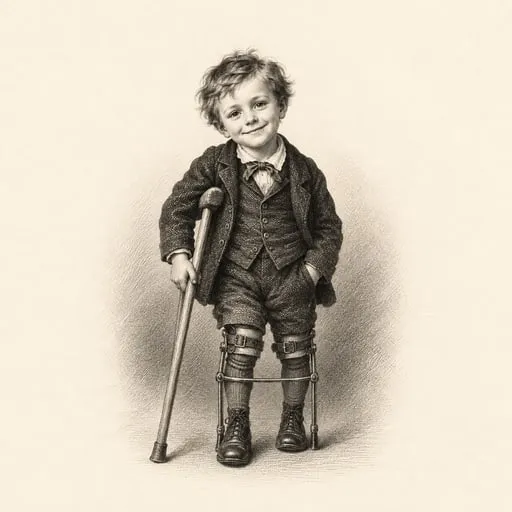
- Tiny TimBob's little son, who did not die, and to whom Scrooge became "a second father".First appears: Stave 3: The Second of the Three Spirits
- Scrooge's nieceFred's very pretty wife, Scrooge's niece by marriage, who has "no patience" with Scrooge and plays the harp well.First appears: Stave 3: The Second of the Three Spirits
- TopperA bachelor guest at Fred's party with a fine bass voice, who, the narrator is sure, only pretends to be blind at blind man's buff so that he can catch the plump sister.First appears: Stave 3: The Second of the Three Spirits
- The plump sisterOne of Scrooge's niece's sisters, "the plump one with the lace tucker", who guesses the answer to Fred's game of Yes and No: Scrooge himself.First appears: Stave 3: The Second of the Three Spirits
- Ignorance and WantTwo wretched, wolfish children, a boy and a girl, whom the Ghost of Christmas Present reveals under his robe. They are "Man's", and the Spirit warns most of all against the boy, Ignorance.First appears: Stave 3: The Second of the Three Spirits
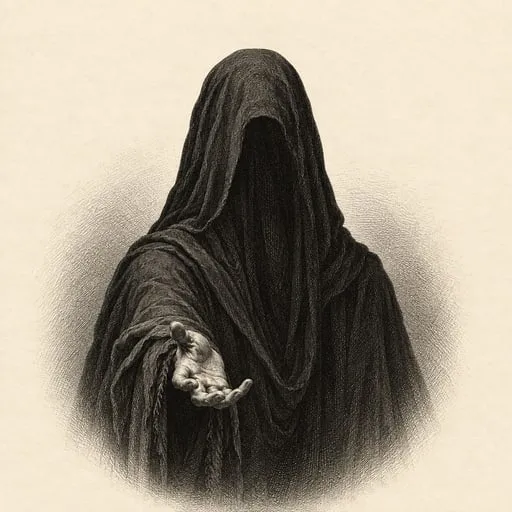
- The Ghost of Christmas Yet to ComeA silent Spirit shrouded in black, with only one pointing hand showing, that leads Scrooge through shadows of the future without ever speaking a word.First appears: Stave 3: The Second of the Three Spirits
- The men of businessRich City men Scrooge knows, who joke about a death and care more about lunch or the cold weather than about the man who has died.First appears: Stave 4: The Last of the Spirits
- Old JoeA grey-haired dealer in rags, bones and old iron, nearly seventy, who buys the dead man's stolen belongings in his filthy back-street shop.First appears: Stave 4: The Last of the Spirits
- The charwomanA bold woman who took the dead man's bed curtains, his blankets and even the shirt he was to be buried in, and laughs that he frightened everyone away "to profit us when he was dead".First appears: Stave 4: The Last of the Spirits
- Mrs DilberThe laundress, who sells old Joe the dead man's sheets, towels, teaspoons and boots, and agrees that his lonely death is "a judgement on him".First appears: Stave 4: The Last of the Spirits
- The undertaker's manA man in faded black who sells old Joe a few small things from the dead man: seals, a pencil case, sleeve buttons and a brooch.First appears: Stave 4: The Last of the Spirits
- Caroline and her husbandA couple in debt, who are thankful to hear that the merciless man they owed money to has died.First appears: Stave 4: The Last of the Spirits
- The boy in Sunday clothesA boy below Scrooge's window, whom Scrooge pays to fetch the prize turkey from the poulterer's.First appears: Stave 5: The End of It
Themes
- Redemption and change
- Poverty and social responsibility
- Greed and generosity
- Family and belonging
- The spirit of Christmas
- Past, present and future
Context
- Workhouses and the Poor Law
- Under the Poor Law, people who could not support themselves could often get help only by entering a workhouse run by a union of parishes. Conditions were made harsh on purpose and families were split up inside, so many of the poor dreaded them. Stave 1: Marley’s Ghost
- Surplus population
- The economist Thomas Malthus argued that population grows faster than the food to feed it. Some people used the idea to argue that helping the poor only made the problem worse. Stave 1: Marley’s Ghost
- Apprentices
- Young people bound to a master for several years to learn a trade, often living on the premises. Scrooge and Dick sleep under a counter in Fezziwig's back-shop. Stave 2: The First of the Three Spirits
- Sir Roger de Coverley
- A lively English country dance, in which couples face each other in two long lines. Stave 2: The First of the Three Spirits
- Bakers' ovens
- Many poor families had no oven, so they carried their dinners to a baker's to be cooked for a small charge. Scrooge's point is that closing bakers on Sundays, which some people wanted done in the name of religion, would take away the only hot dinner many poor families had. Stave 3: The Second of the Three Spirits
- The pawnbroker's
- A shop that lent money in return for goods left there as security. Poor families often pawned clothes or other belongings to get through a hard week. Stave 3: The Second of the Three Spirits
- 'Change
- Short for the Royal Exchange in the City of London, where merchants met to do business. In Stave 1 we are told Scrooge's name was good there, meaning he was trusted to pay. Stave 4: The Last of the Spirits
- Rag and bone shops
- Dealers like old Joe bought rags, bones, bottles and scrap iron to sell on. Rags could be made into paper and bones into glue, so even rubbish had a price. Stave 4: The Last of the Spirits
- The Total-Abstinence Principle
- Total abstinence meant never drinking alcohol at all, a cause many campaigners promoted at the time. The joke is that the "Spirits" Scrooge gives up are ghosts. Stave 5: The End of It
Chapter summaries
Stave 1: Marley’s Ghost
The narrator insists that Marley is dead, then paints Scrooge as a man as cold inside as the winter weather, "solitary as an oyster". On Christmas Eve Scrooge calls Christmas "Humbug!", mocks his nephew for marrying for love, and keeps his clerk working beside a fire that looks like one coal. When two gentlemen ask for money for the poor, he says the prisons and workhouses are enough, and that those who would rather die should "decrease the surplus population". At home he sees Marley's face in his door knocker, and then Marley's Ghost arrives, bound in a chain of cash boxes, keys, padlocks, ledgers, deeds and purses. Marley says he forged the chain in life by caring only for business, and that Scrooge's own chain was as long seven years ago and has grown since. From the window Scrooge sees the air full of chained phantoms who long to do good and have lost the power. The stave presents a man cut off from everyone, and gives him one chance, through the three spirits, to escape Marley's fate.
Stave 2: The First of the Three Spirits
The first Spirit is a strange figure, like a child and an old man at once, with a jet of light shining from its head. It takes Scrooge to the country where he grew up, and he weeps to see his younger self alone at school at Christmas, with only the characters from his books for company; he even wishes he had given something to the carol singer at his door. His sister Fan arrives to take him home, saying their father is "so much kinder than he used to be", and the Spirit reminds Scrooge that her only child is his nephew. At Fezziwig's Christmas Eve dance, Scrooge defends his old master's small kindnesses and admits he would like to say a word to his own clerk. Then he watches his younger self, already showing "an eager, greedy, restless motion in the eye", lose Belle, who says that a golden idol has taken her place. Finally he sees Belle years later, the happy mother of a large family, while her husband reports seeing Scrooge "Quite alone in the world". The stave shows that Scrooge was not always hard, and that his love of money grew over time and cost him love.
Stave 3: The Second of the Three Spirits
The second Spirit is a jolly giant in a green robe, enthroned on a heap of Christmas food, whose torch blesses the dinners of the poor and restores good humour to people who quarrel. At Bob Cratchit's four-roomed house the family, poor and shabbily dressed, make a feast of a goose stretched out with apple sauce and mashed potatoes, and Tiny Tim, who walks with a crutch, says "God bless us every one!" When Scrooge asks if Tiny Tim will live, the Spirit foresees "a vacant seat" and then quotes Scrooge's own words about the "surplus population", and Scrooge hangs his head in shame. Bob toasts "the Founder of the Feast", but his wife calls Scrooge "odious, stingy, hard, unfeeling" and drinks only for Bob's sake and the day's. At Fred's party, Scrooge's nephew says he pities his uncle and will keep inviting him, and Scrooge, forgetting he cannot be heard, calls out answers in the guessing games. Before it vanishes at midnight, the Spirit reveals Ignorance and Want and throws Scrooge's words "Are there no prisons?" back at him.
Stave 4: The Last of the Spirits
The last Spirit never speaks and shows only one pointing hand, and Scrooge fears it more than any spectre he has seen. On 'Change, men of business joke that a certain man's funeral will be cheap, and one will go only if lunch is provided. In a filthy back-street shop, a charwoman, a laundress and an undertaker's man sell the dead man's belongings to old Joe, down to the bed curtains and the shirt he was to be buried in. The only feeling his death stirs is pleasure, in a couple who owed him money. At the Cratchits', by contrast, the family grieve for Tiny Tim with love, and Bob tells them how kindly Scrooge's nephew spoke to him. In a neglected churchyard Scrooge asks whether these are shadows of what "Will be" or "May be only", then reads his own name on the grave and promises to "honour Christmas in my heart".
Stave 5: The End of It
Scrooge wakes laughing and crying, "as light as a feather", and learns from a boy below his window that it is still Christmas Day: "The Spirits have done it all in one night." His first act is a secret gift, a prize turkey "twice the size of Tiny Tim", sent to the Cratchits without a name. He asks pardon of the gentleman he refused the day before and whispers a gift so large that the man can hardly speak, then finds the courage to knock at Fred's door and is welcomed in to dinner. The next morning he pretends to be his old self to scold Bob for arriving late, then raises his salary and promises to help his family. The narrator tells us that Scrooge did all this and more, that Tiny Tim did not die, and that Scrooge came to be known as a man who "knew how to keep Christmas well". The ending shows that change must be acted on, not just felt, and that Scrooge's new happiness comes from giving.
Key quotes
Oh! but he was a tight-fisted hand at the grindstone, Scrooge! a squeezing, wrenching, grasping, scraping, clutching, covetous old sinner!
Five harsh -ing words in a row make his greed physical: he squeezes and clutches at money. The narrator's lively voice makes Scrooge almost comic as well as ugly.
Greed and generosity
If they would rather die," said Scrooge, "they had better do it, and decrease the surplus population.
Scrooge treats poor people as a number to be reduced rather than as human beings. The phrase shows how easily he excuses himself from doing anything.
Poverty and social responsibilityGreed and generosity
Mankind was my business. The common welfare was my business; charity, mercy, forbearance, and benevolence were, all, my business.
Marley, who in life cared only for trade, now sees that his real business was other people. He learned it too late, and has come to warn Scrooge while there is still time.
Redemption and changePoverty and social responsibility
A solitary child, neglected by his friends, is left there still.
The Ghost's plain words make Scrooge sob. His coldness is given a cause, a lonely childhood, which makes him easier to understand and to pity.
Family and belongingPast, present and future
The happiness he gives is quite as great as if it cost a fortune.
Scrooge speaks "like his former, not his latter self" and admits that small kindnesses can give as much happiness as a fortune. Fezziwig is the kind of employer Scrooge has failed to be.
Greed and generosityRedemption and change
I have seen your nobler aspirations fall off one by one, until the master passion, Gain, engrosses you.
Belle names exactly what has changed in Scrooge: love of Gain has pushed out every other hope, including her. His greed is shown as something that grew, not something he was born with.
Greed and generosityPast, present and future
God bless us every one!
Tiny Tim, the frailest of the family, gives the widest blessing, leaving no one out. His goodness is what makes Scrooge care whether he lives.
The spirit of ChristmasFamily and belonging
If he be like to die, he had better do it, and decrease the surplus population.
The Spirit repeats what Scrooge said to the charity gentlemen, now about a child Scrooge has come to care for. It goes on to ask, "Will you decide what men shall live, what men shall die?"
Poverty and social responsibilityRedemption and change
This boy is Ignorance. This girl is Want. Beware of them both, and all of their degree, but most of all beware this boy, for on his brow I see that written which is Doom, unless the writing be erased.
Dickens turns neglected children into two monstrous figures that belong to all "Man", not to Scrooge alone. The warning is aimed at a whole society that leaves its poor untaught and hungry.
Poverty and social responsibility
He frightened everyone away from him when he was alive, to profit us when he was dead!
The charwoman laughs as old Joe counts out the money. A life spent keeping people away has left the dead man with no one to protect him, only people to profit from him.
Greed and generosity
Are these the shadows of the things that Will be, or are they shadows of the things that May be only?
Scrooge's question holds all his hope: if the future is only what "May be", he can still change it. The Spirit does not answer.
Past, present and futureRedemption and change
I will honour Christmas in my heart, and try to keep it all the year. I will live in the Past, the Present, and the Future.
Scrooge's promise draws on all three Spirits at once. Keeping Christmas "all the year" means living by its kindness every day, not just on one.
Redemption and changeThe spirit of ChristmasPast, present and future
I am as light as a feather, I am as happy as an angel, I am as merry as a schoolboy, I am as giddy as a drunken man.
Four similes tumble out one after another, just as a harsh list described Scrooge in Stave 1. His joy is childlike, a sign that he has been given a fresh start.
Redemption and change
to Tiny Tim, who did not die, he was a second father.
In a few words the narrator settles the fate Scrooge had feared for Tiny Tim. Scrooge now has a place inside a family instead of standing outside it.
Family and belongingRedemption and change
it was always said of him that he knew how to keep Christmas well, if any man alive possessed the knowledge.
The man who called Christmas "Humbug!" becomes its best example. The narrator then turns to the reader: "May that be truly said of us, and all of us!"
The spirit of ChristmasRedemption and change